These 16 items range from a cutting board to a cast-iron skillet, and the order you buy them in depends on what you cook most often right now.
A whisk beats eggs and blends pancake batter, a Dutch oven goes from stovetop to oven, and choosing tools that do more than one thing keeps a small kitchen from filling up with specialized gadgets.
1. Cutting Board
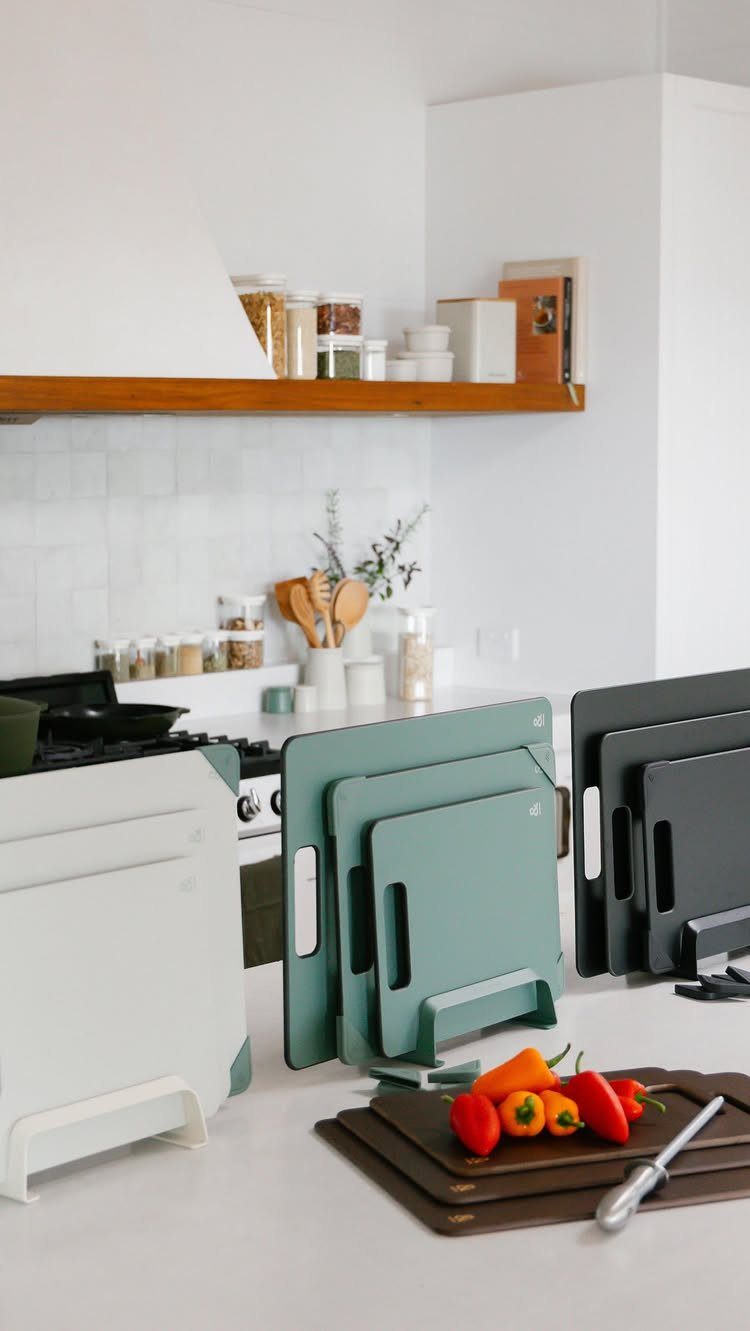
A flat surface for chopping vegetables, slicing bread, and preparing ingredients without scratching your countertop. In a small kitchen, a board that stores flat or hangs on a hook saves drawer space.
Look for one sized to fit the counter area you have. Plastic boards are lightweight and dishwasher-safe.
Wood needs occasional oiling but feels more stable under the knife. I keep one of each: plastic for raw meat, wood for everything else.
A board with a juice groove catches liquid from tomatoes and citrus before it runs onto the counter.
2. Measuring Cups and Spoons
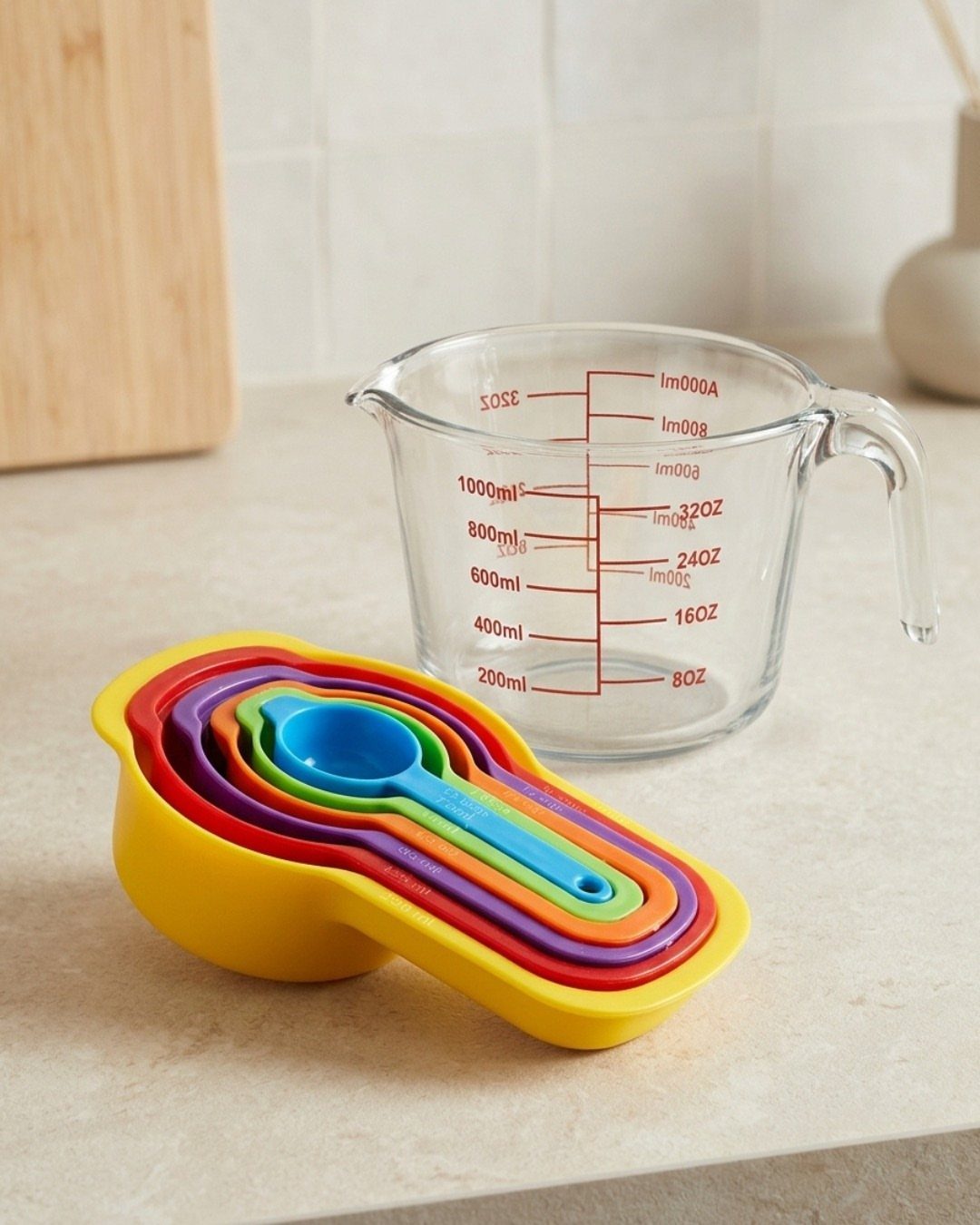
Dry measuring cups nest inside one another and give you the standard fractions without guessing.
Measuring spoons cover the standard range from a quarter teaspoon up. A glass liquid measuring cup with a spout handles anything pourable.
Baking needs exact amounts, and these make that possible without math. For a small kitchen, a set that stacks or clips onto a ring fits in one drawer.
3. Mixing Bowls
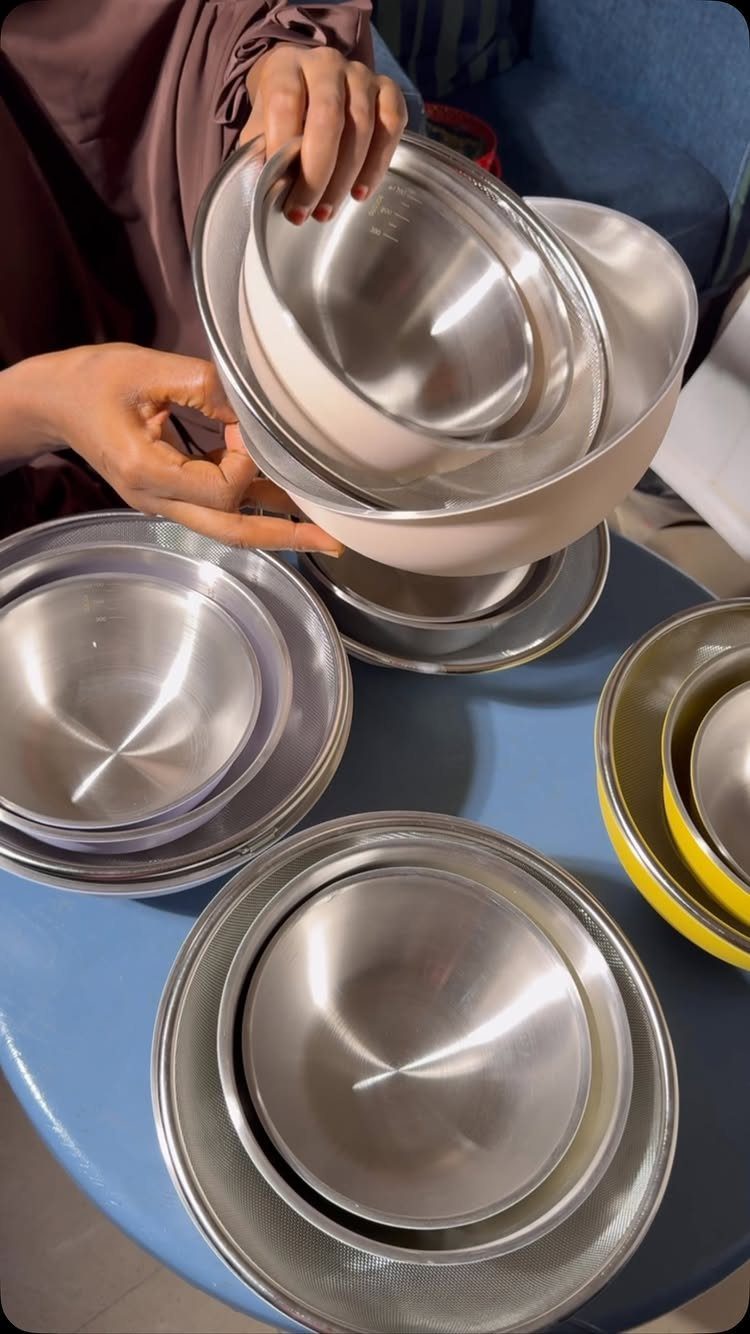
Containers for mixing ingredients before they go in the pan or oven. A small, medium, and large bowl covers most prep work and nests to save cabinet space.
Stainless steel is light and durable. Glass works if you want to microwave in the same bowl.
Plastic is fine but can stain from tomato sauce or turmeric. I use stainless for everyday mixing and save glass for reheating leftovers.
4. Whisk
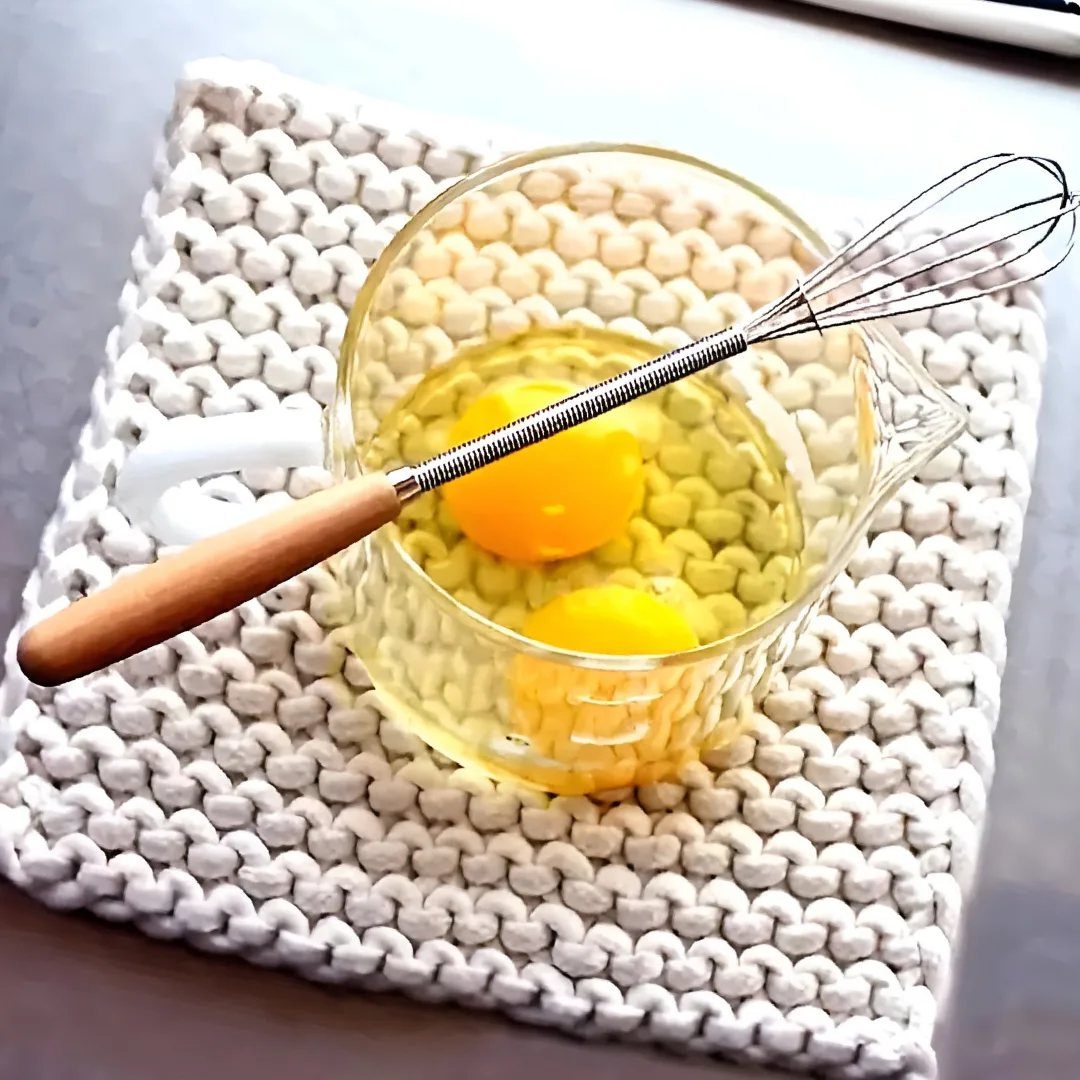
A wire tool for blending eggs, batters, and salad dressings. The loops incorporate air better than a spoon and smooth out lumps in sauces or pancake batter.
A whisk sized for one hand handles most small-kitchen tasks.
Stainless steel wires hold their shape. A silicone-coated version protects nonstick pans if you use it directly in the pot.
5. Nonstick Frying Pan

A shallow pan with sloped sides and a nonstick coating that lets eggs and fish release cleanly. An 8 or 10 inch pan fits one or two servings and takes up less stovetop and storage space than a 12 inch.
The nonstick surface needs less oil and makes cleanup easier. Avoid metal utensils, which scratch the coating.
I use silicone or wood instead. When the coating wears through, replace the pan rather than risk flakes in your food.
6. Saucepan
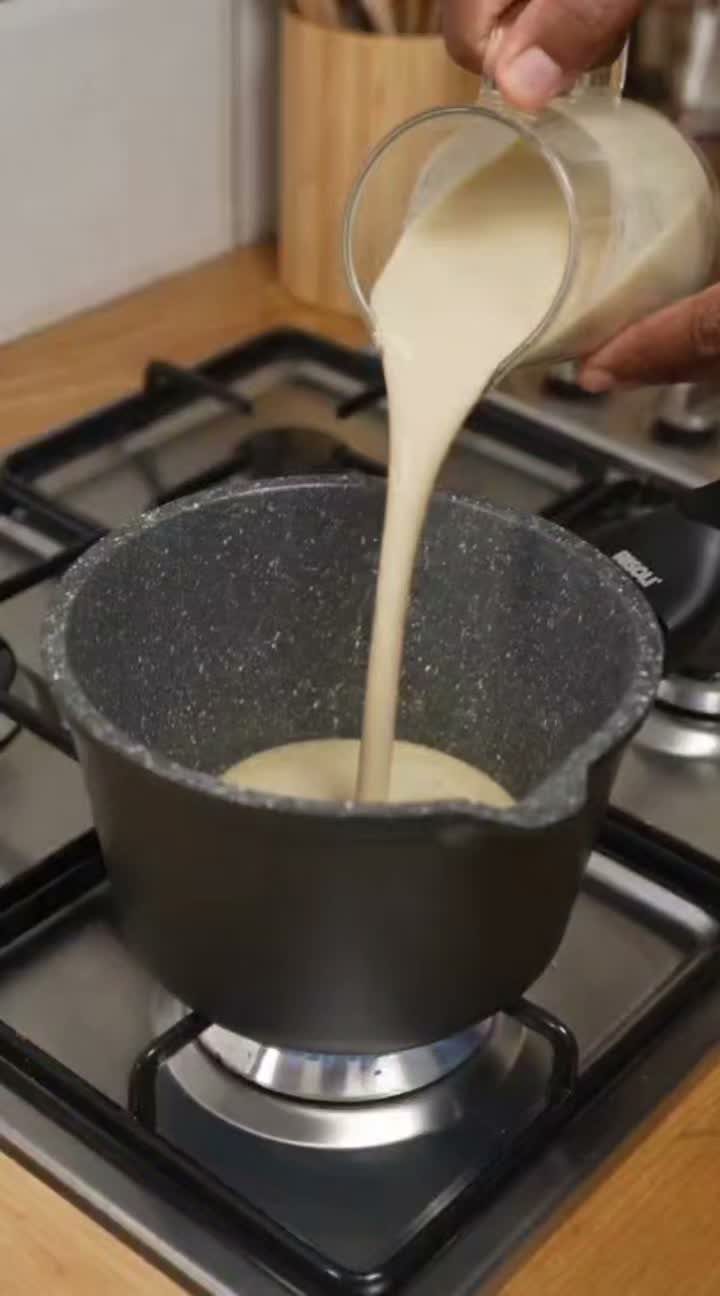
A small pot with straight sides and a long handle, sized for heating soup, cooking oatmeal, or simmering a cup of rice. A 2 to 3 quart capacity handles single servings and side dishes without the bulk of a stockpot.
I reach for mine every morning for coffee and most nights for reheating leftovers.
A lid holds in heat and reduces splattering. Stainless steel or enameled cast iron both work; stainless heats faster, enameled holds heat longer.
7. Dutch Oven

A heavy lidded pot that handles braising, baking bread, and simmering stews. The thick walls hold heat evenly, and the lid traps moisture so a cheap cut of meat turns tender after a few hours.
I use mine on the stovetop to brown meat, then move the whole pot into the oven to finish.
That saves washing an extra dish. The size holds a whole chicken or enough chili for several meals.
Enameled cast iron cleans easier than bare iron and does not need seasoning.
8. Cast-iron Skillet
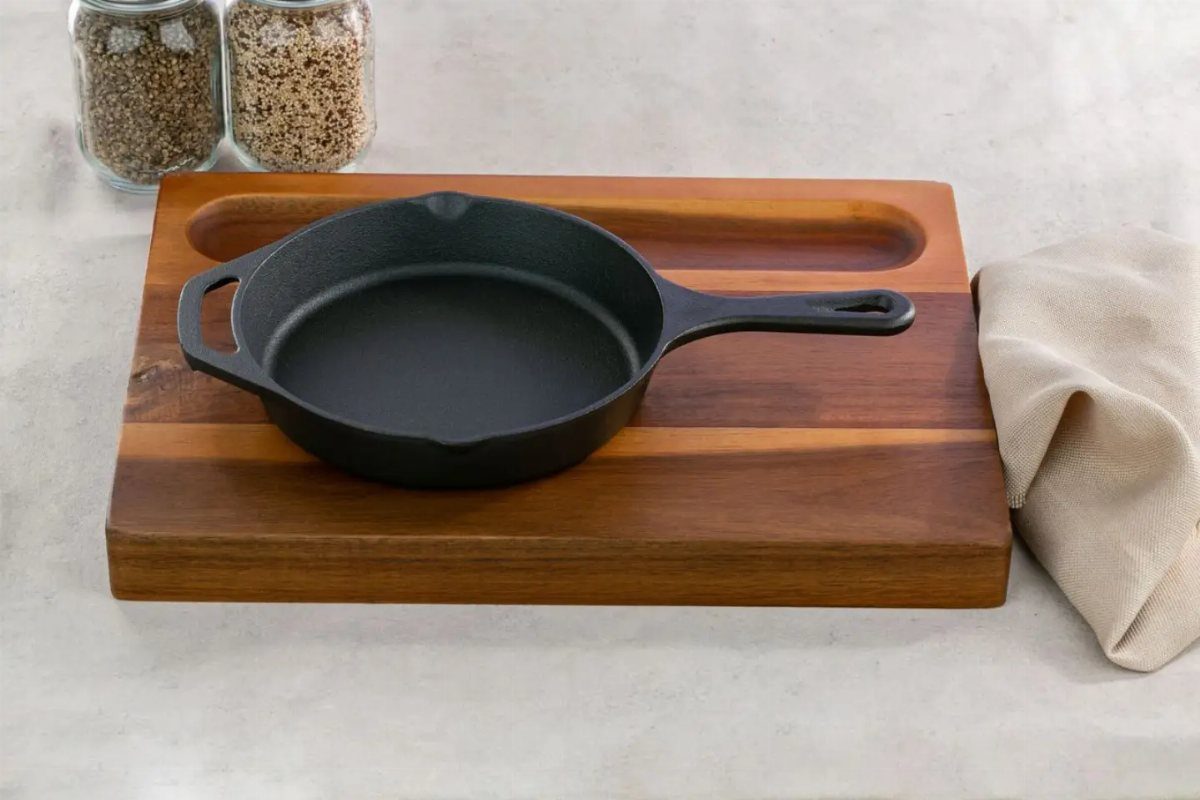
A heavy pan that holds high heat for searing meat and can move from stovetop to oven without damage.
The iron surface develops a natural nonstick layer over time if you season it after each wash with a thin coat of oil.
The skillet fits most stovetops and handles 2 pork chops or a frittata.
The weight makes it stable, but lifting a full pan takes both hands. I avoid cooking tomatoes or vinegar in mine because acid strips the seasoning.
9. Compact Knife Set
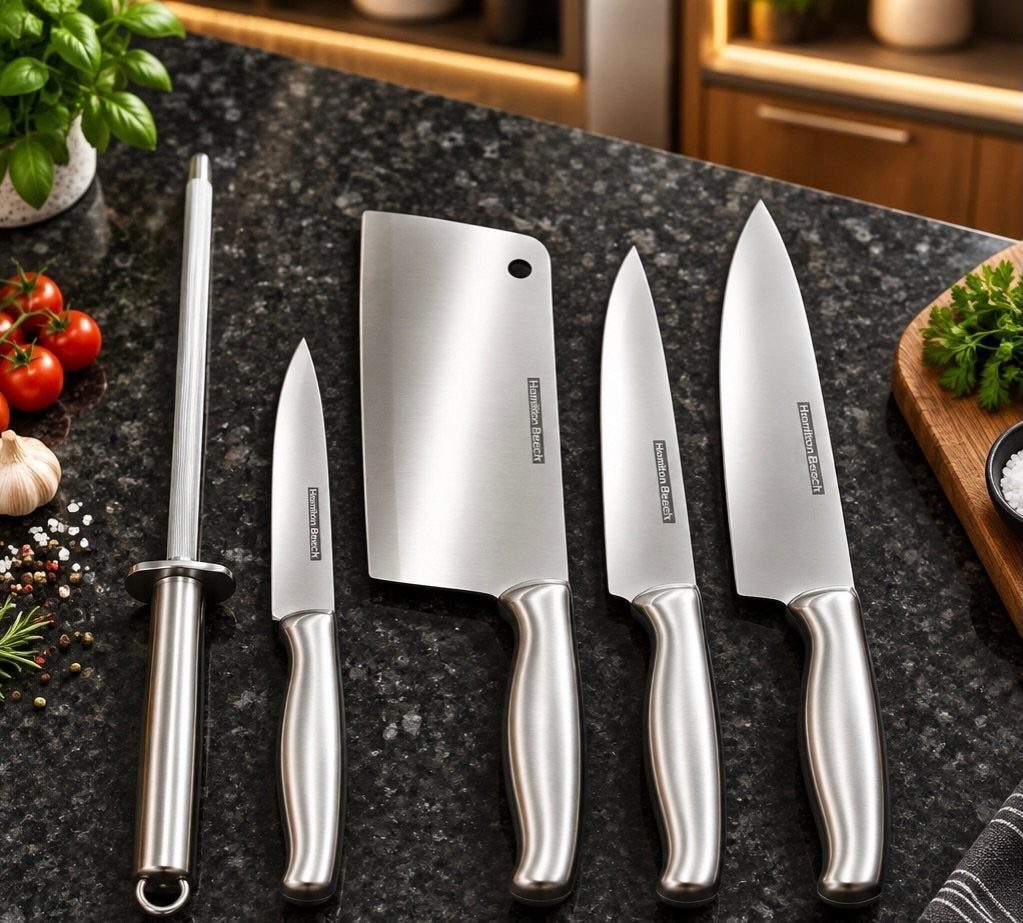
A chef’s knife, paring knife, serrated blade, and utility knife cover most kitchen tasks without filling a drawer.
The paring knife peels and trims. The serrated blade cuts bread and tomatoes without crushing them.
A honing steel realigns the blade edge between sharpenings and keeps the knife cutting cleanly. Run the blade down the steel at a slight angle a few times on each side before you start prep work.
Store knives in a block or on a magnetic strip to protect the edges.
10. Silicone Utensil Set

Silicone tools with wooden handles that work on nonstick surfaces without scratching. A spatula flips pancakes, a slotted turner drains oil from fried food, and a pastry brush spreads butter or egg wash.
The silicone takes high heat, so these stay in the pan while you stir.
Wood handles stay cooler than metal and feel comfortable in the hand. I store mine upright in a crock next to the stove so they are always within reach.
A matching set keeps the counter looking intentional.
11. Handheld Milk Frother
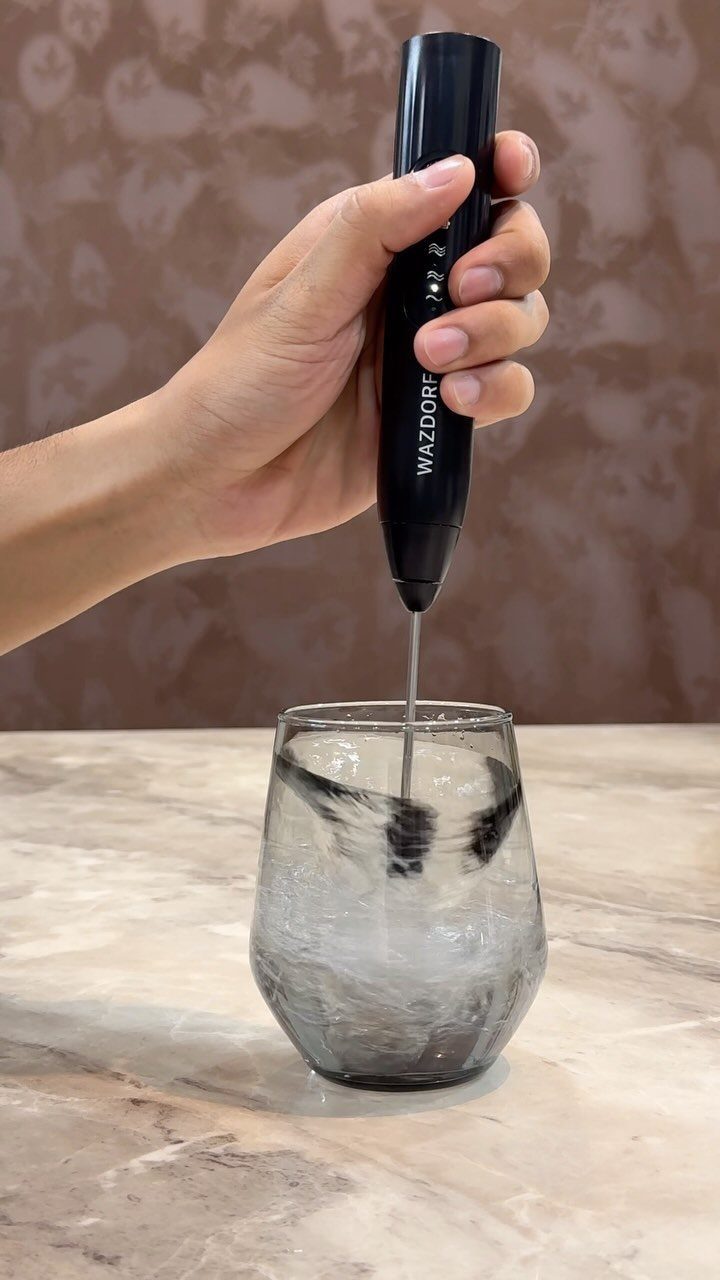
A battery-powered stick with a spinning coil that froths milk in seconds. Press the button and move the tip just below the surface until foam forms.
This tool turns regular milk into something close to a coffee shop texture without a machine that takes up counter space. I use mine for lattes and also to blend protein powder or matcha into a smooth drink.
Rinse the coil under running water right after use so dried milk does not harden on the wires.
12. Faucet-mounted Colander
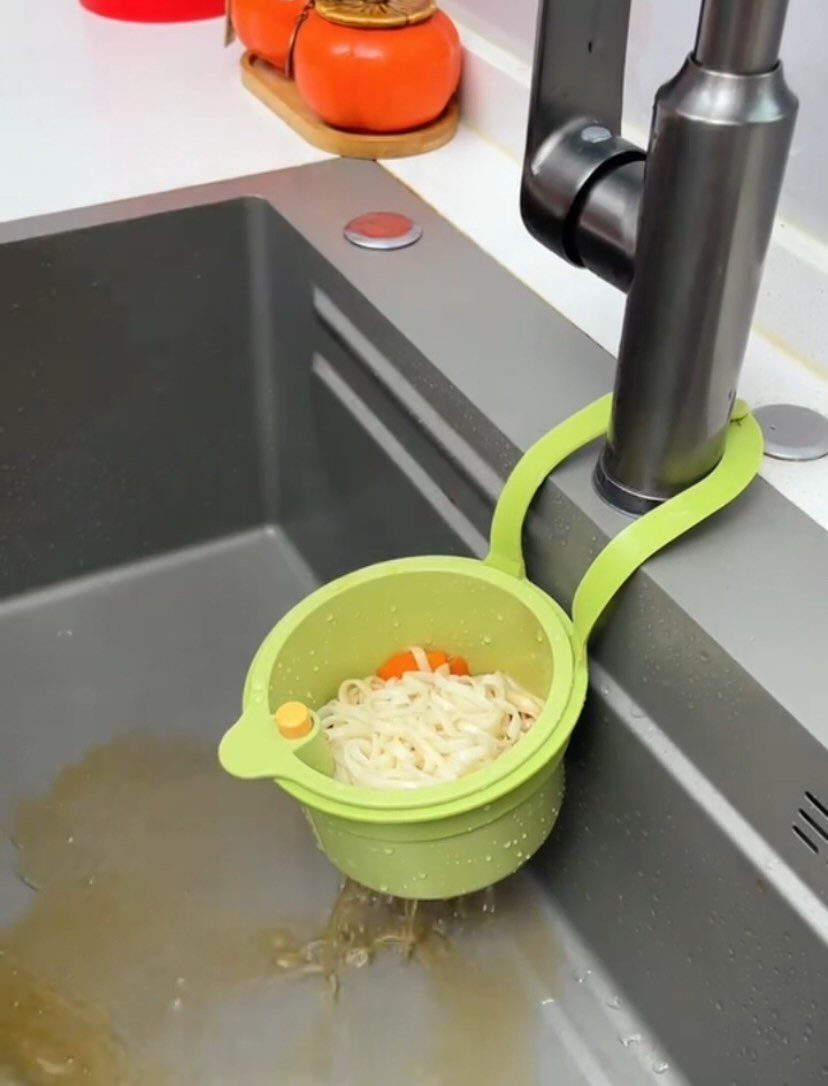
A small basket that clips onto the faucet and hangs over the sink, so you drain pasta or vegetables without holding a separate colander. Turn on the water and the food rinses while it drains.
This setup frees up both hands and stores flat in a drawer when you are not using it.
The clip fits most standard faucets. I keep mine hooked on the side of the sink during meal prep and put it away after.
Check that the clip holds firmly before you fill it with hot food.
13. Wall-mounted Paper Towel Holder
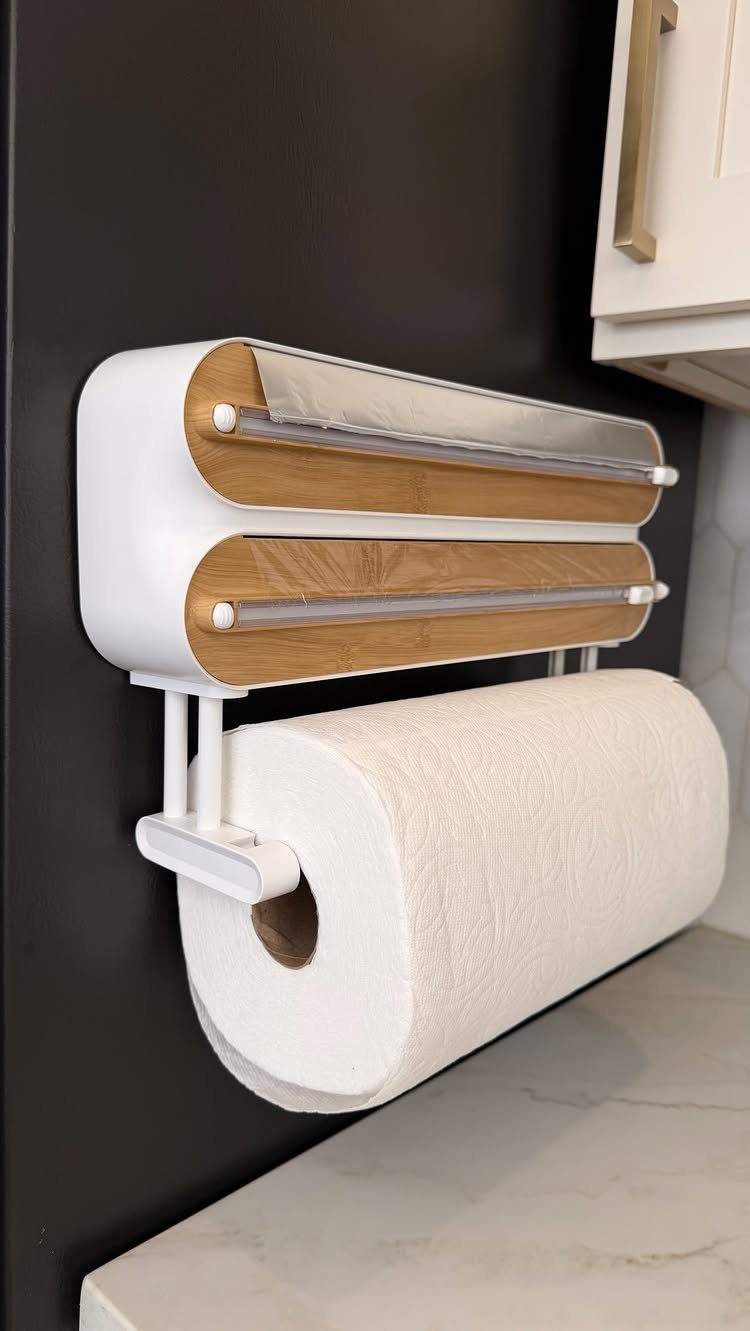
A holder that mounts on the wall clears the counter and keeps a roll within reach.
Install it near the stove or sink where you reach for paper towels most often.
The mount screws into the wall or sticks with adhesive strips if you cannot drill. I prefer screws because they hold weight better when the shelves are full.
The bamboo or wood finish stays neutral in most kitchens. Measure the wall space first to confirm the holder fits without blocking cabinets.
Buy Gradually and Selectively
Add items only when you know you will use them, and let your actual cooking habits guide what comes first.
If you make pasta twice a week, a colander earns its space.
If you bake once a month, measuring cups can wait. Start with the tools you reach for most often and fill in the rest as you find gaps.
A whisk gets more attention than a Dutch oven when you make salad dressing every few days and braise meat twice a year. Both are useful, but one paid for itself faster.
Skipping tools you will not use keeps drawers navigable and saves money for the pieces that actually matter in your kitchen.
Prioritize Multipurpose Tools
A tool that does three jobs takes up less space than three tools that do one job each. In a small kitchen, that difference keeps drawers usable.
A chef’s knife minces garlic, dices vegetables, and breaks down a chicken.
A Dutch oven braises meat, simmers soup, and bakes bread. A mixing bowl holds prepped ingredients, then serves the salad at dinner.
Before you buy something single-purpose, check whether a tool you already own can handle it. A deep sauté pan with a lid can replace both a skillet and a small pot if counter and cabinet space are tight.
I default to tools that do more than one thing and only add specialized pieces when I hit a task the multipurpose ones cannot cover.
Keep Kitchen Clutter Low
Fewer items make a small kitchen easier to clean, organize, and move around in. A clear counter gives you room to prep without shuffling appliances out of the way first.
Store what you do not use daily. The coffee maker and toaster can stay out if you use them every morning, but the waffle iron that comes out twice a year belongs in a cabinet.
One household I know reduced their cookware to 3 pots and 3 pans and found they still had everything they needed for weeknight cooking.
If you do not have space for something you use rarely, borrow it or wait until you need it.
Put tools away after each meal instead of letting them pile up.
Frequently Asked Questions
What are the must-have kitchen basics?
Most frequent tasks in a small kitchen come down to a chef’s knife, cutting board, nonstick pan, and saucepan.
Add a mixing bowl, measuring cups, and a whisk for prep work, then fill in tools like a cast-iron skillet or Dutch oven once you know you will use them regularly.
Start with the pieces your actual cooking calls for rather than buying everything at once.
What else can I remove from my minimalist kitchen?
Store anything you use less than once a month, including single-purpose appliances that take up counter space when you are not actively cooking with them.
Keep a waffle iron or bread machine in a cabinet until you need it, and consider borrowing specialty tools instead of owning them if your kitchen is tight on storage.
Do you have a favorite small kitchen item that you would recommend?
A faucet-mounted colander drains pasta or vegetables while freeing up both hands and stores flat in a drawer when you are done.
A handheld milk frother turns regular milk into coffee shop foam in seconds and fits in any drawer. Both handle a specific task well and stay out of the way the rest of the time.