
A tablecloth changes how the whole room reads, and the choice runs from cotton gingham to hand-embroidered linen that costs more and lasts decades.
If your table sits at the center of a neutral room, a floral or geometric print turns it into the main design moment.
1. Linen Tablecloth

Linen brings a soft, lived-in quality to the table and softens over time with each wash.
The texture shows through whether you go with a pale neutral or something darker, and wrinkles are part of the look rather than something to iron out.
It works for everyday use or a more dressed-up meal, and the natural fiber holds up to repeated laundering. Linen costs more than cotton but softens with every wash.
2. Floral Tablecloth

A floral print turns the table into the main design moment in the room. You can go dark and moody with jewel tones or bright and cheerful with pastels, depending on what the rest of your space looks like.
Cotton and cotton-blend versions wash easily and hold color through regular use. If the print is busy, keep the place settings simple so the pattern gets to do its job without competing for attention.
3. Gingham Tablecloth
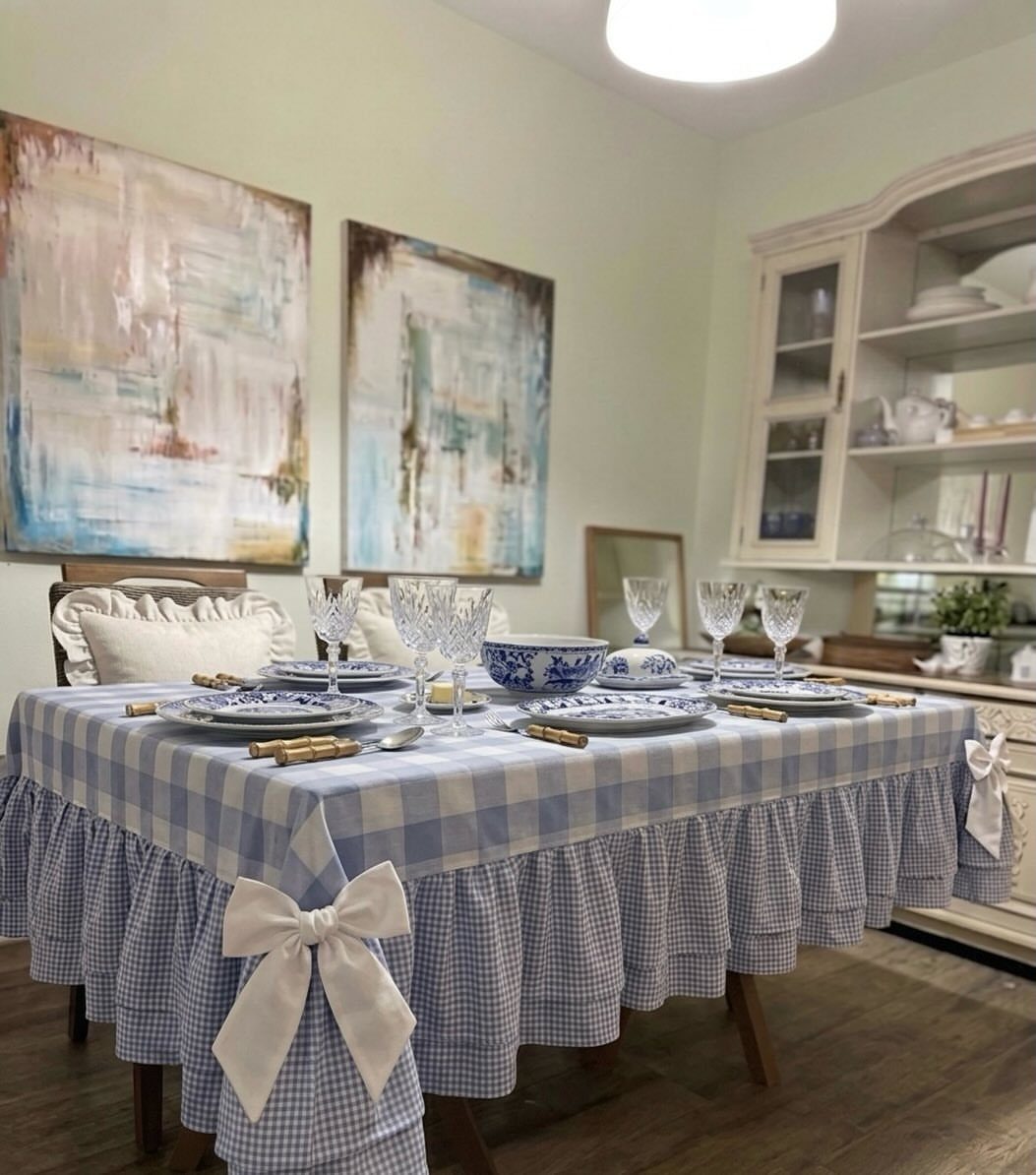
Gingham checks read farmhouse or cottage straight away, and the grid scales from small picnic-style squares to wider checks that feel more modern. Blue and white is the most common pairing, but red, green, and black versions show up too.
Cotton gingham holds up to regular washing and works for most table sizes. Ruffled edges add a softer finish, though a plain hem keeps it cleaner if you prefer that.
4. Patterned Tablecloth
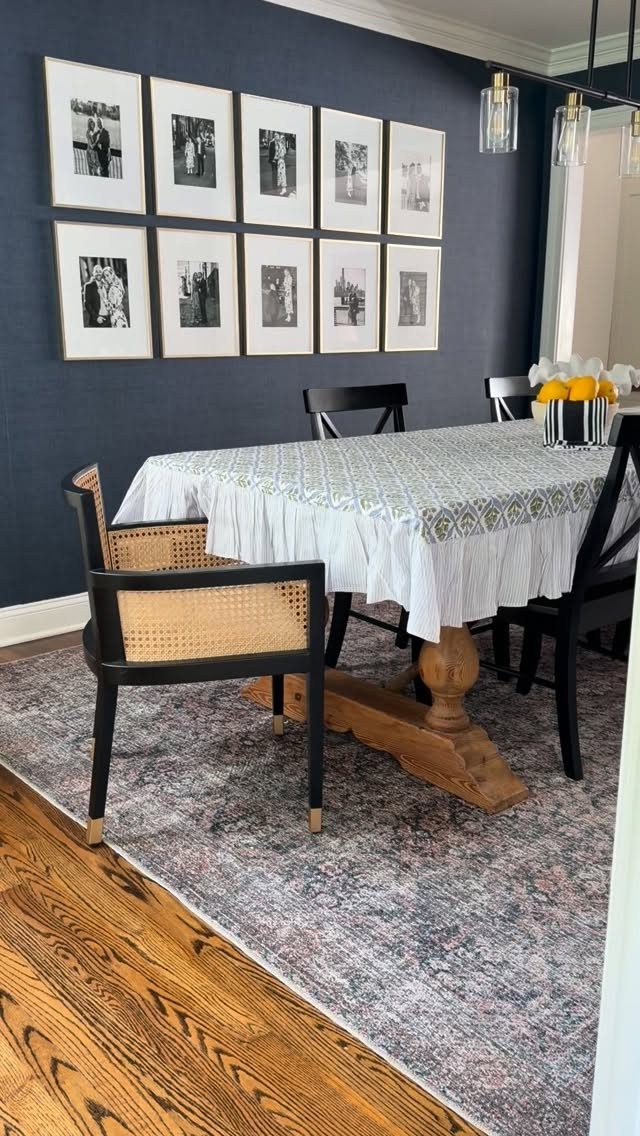
A printed design gives you a way to introduce color and pattern without committing to a bold paint color or new furniture.
Geometric prints, abstract shapes, and stylized motifs all fit here, and the pattern becomes the anchor for the rest of your table setting.
Cotton or cotton-linen blends wash without much fuss. Choose your dinnerware and napkins in solids that pull one or two colors from the print so everything feels intentional.
5. Neutral Tablecloth
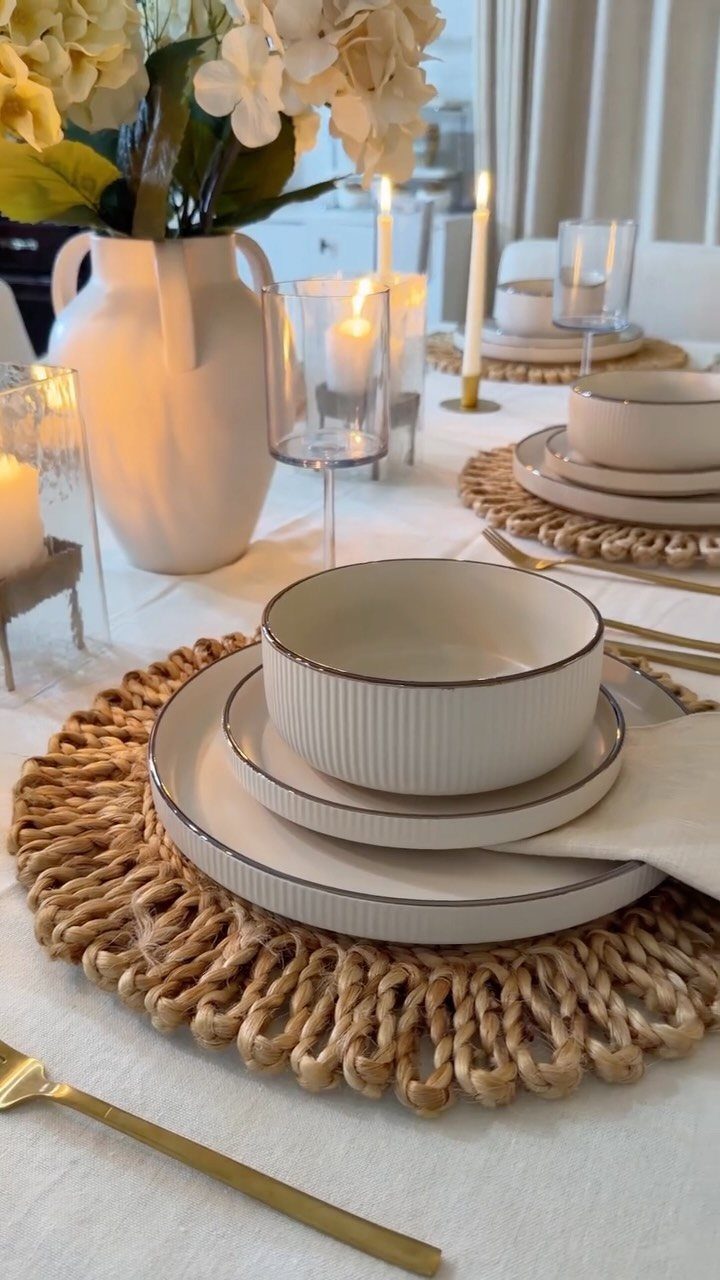
A neutral cloth in cream, beige, oatmeal, or soft gray gives you a base that works with nearly any color palette and lets your dishes, glassware, and centerpiece stand out.
It reads warm and unfussy, and you can layer texture through placemats, napkins, or a runner on top.
Cotton costs less up front, linen and heavier weaves cost more but last longer. This is the choice if you change your table decor with the seasons and want something that adapts.
6. Block Print Tablecloth

Block printing gives you bold, repeating patterns with the irregularities that come from hand-stamping each motif.
Colors tend toward saturated tones: deep indigo, rust, mustard, terracotta. The texture of the print adds dimension that flat digital printing does not.
Cotton block print cloths from India or other craft traditions carry hand-stamped patterns, and the dye settles with a few washes. Pair it with simple white or neutral dishes so the print stays the focal point.
7. Ruffled Tablecloth
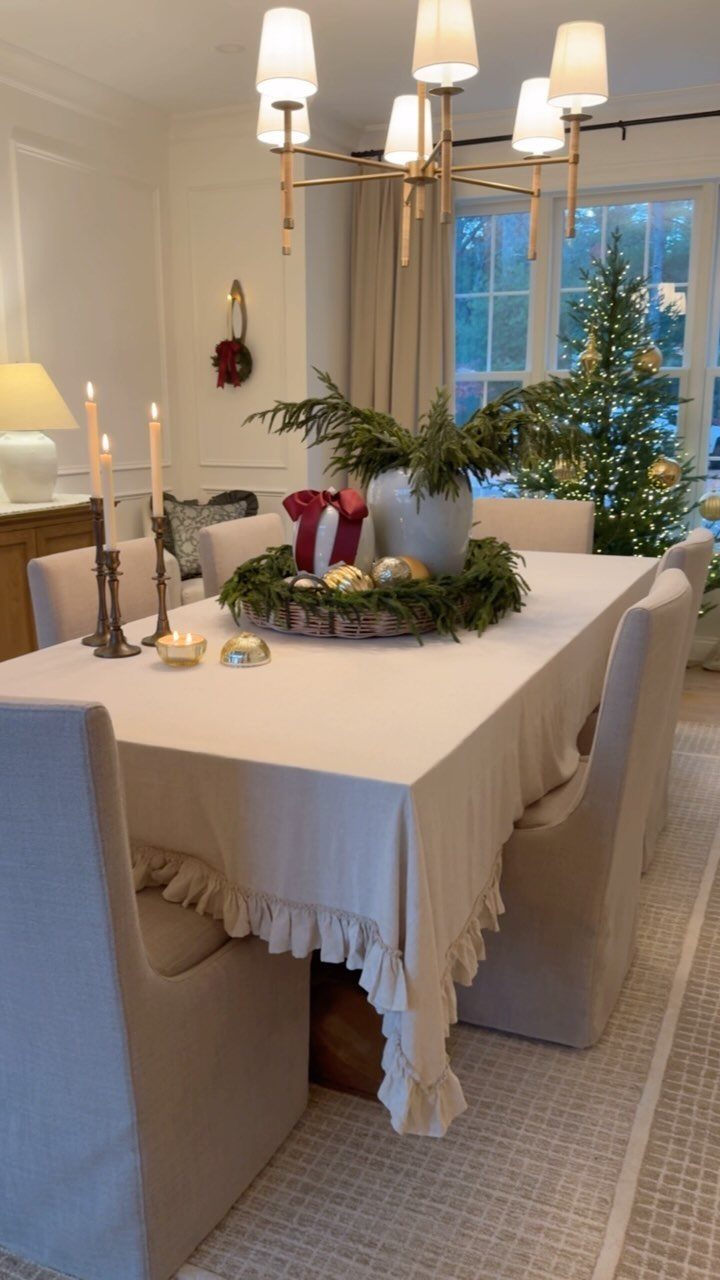
A gathered ruffle at the hem softens the table’s edges and leans straight into farmhouse and cottage styles.
The fabric drapes differently than a flat edge, and the extra material at the border gives the cloth a more casual, dressed-down look.
Cotton and linen both take a ruffle well.
If you want something that holds its shape through washes, go for a heavier-weight fabric. The ruffle adds visual interest without pattern, so this works when your dishes or room already carry color.
8. Farmhouse Tablecloth

Farmhouse tablecloths pull from natural fibers, checks, and prints that feel collected rather than matched. Apple motifs, grain sack stripes, and gingham borders all fit here, and the look pairs with wood furniture and open shelving.
Cotton holds up to family meals and washes without much fuss.
Ruffled edges and a slightly oversized fit add to the informal feel. If your space already runs neutral, a print like this gives you a way to introduce pattern without painting walls or swapping furniture.
9. Vintage Tablecloth

A vintage lace cloth brings detail that machine-made versions rarely match, and the openwork pattern shows the table surface underneath. Estate sales, antique shops, and online secondhand markets carry them in varied sizes and conditions.
Check for stains and weak spots before buying, and hand-wash or use a gentle cycle to keep the fabric from tearing.
Lace reads formal but softens when paired with mismatched chairs or casual centerpieces. Layering it over a colored cloth lets the pattern stand out more clearly.
10. Mid-century Tablecloth

Stylized florals, abstract shapes, and bold color blocks in mustard, teal, olive, and orange mark mid-century prints. The patterns feel playful without skewing too young, and the saturated tones work with wood furniture and simple dinnerware.
Cotton blends in these prints show up at vintage shops and a few reproduction lines. The busy pattern hides stains better than a solid, and the colors pull together a mix of mismatched chairs or place settings.
11. Embroidered Tablecloth

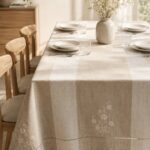
Stitched details along the hem or scattered across the cloth add texture that printed fabric cannot replicate.
Floral motifs, leaves, and geometric borders are the most common, and the thread color can match the base or contrast for a bolder look.
Hand-embroidered cloths take more time to make and cost more than plain linen, but they hold up through years of use.
White-on-white embroidery keeps the table feeling light and works with most color palettes. Wash gently to protect the stitching.
12. Striped Tablecloth
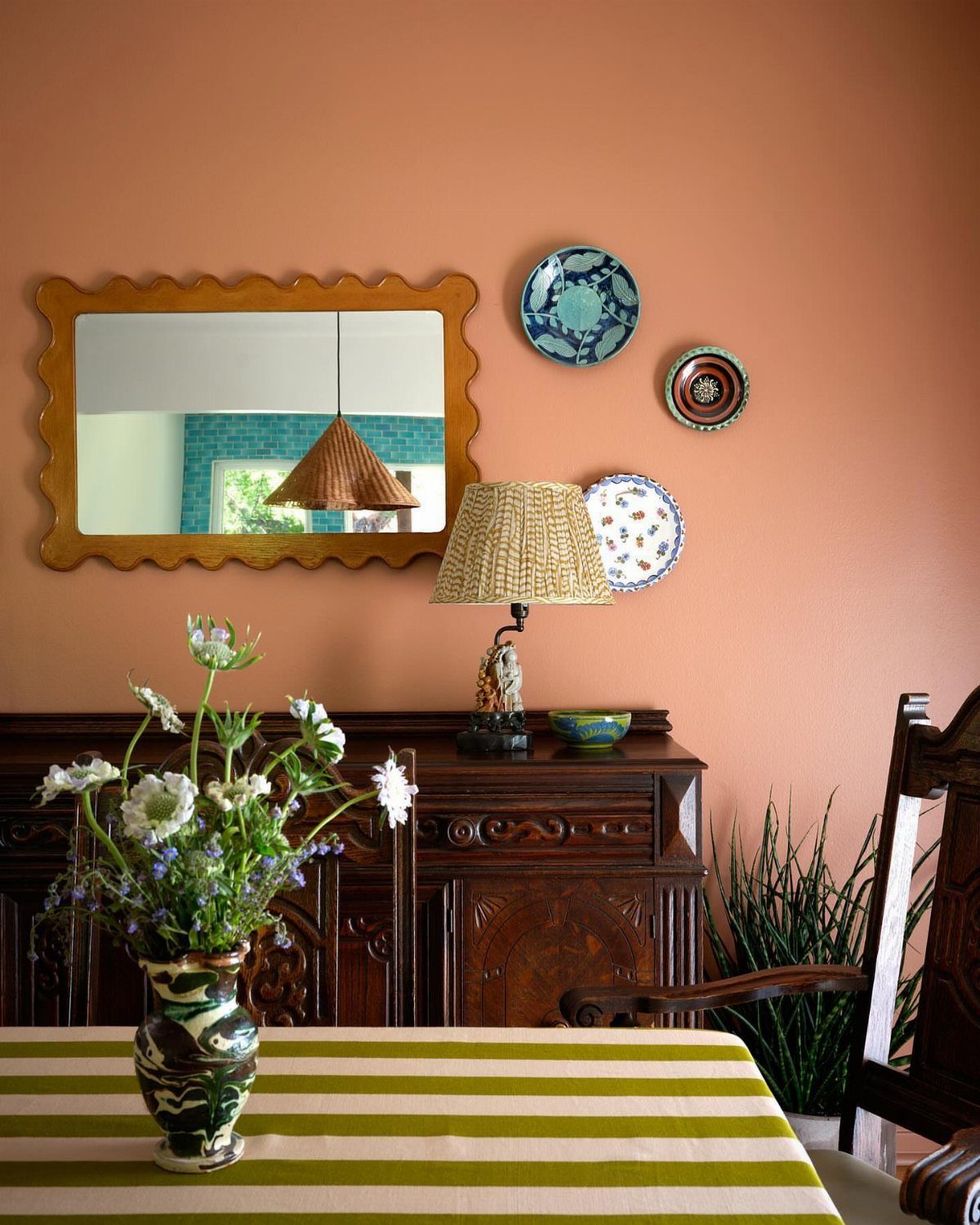
Stripes give you a linear pattern that stays calmer than florals or checks, and the direction of the stripe changes how the table reads. Narrow stripes feel crisp and tailored, wider bands read more casual.
Cotton and linen both take stripe printing well.
Green and white, navy and white, or gray and white all work for a quieter palette, while brighter colors make the table more of a focal point. Stripes pair easily with solid napkins and simple centerpieces.
13. Tassel Tablecloth

Tassels or pom-poms along the hem add a tactile border that moves when you walk past the table.
The trim usually runs in a single row, spaced evenly, and brings a casual, slightly playful finish that works in kitchens or dining rooms that already lean informal.
Cotton and linen both take sewn-on trim without adding much weight. The tassels catch crumbs more than a plain hem, so this works better for meals than for craft or homework surfaces.
14. Jacquard Tablecloth

Jacquard weaves the pattern into the fabric rather than printing it on top, so you get texture and sheen that changes with the light.
Floral and damask motifs are the most common, and the woven design reads formal without feeling stiff.
The cloth costs more than printed cotton but holds up through years of use and repeated washing.
Pair it with simple dishes so the pattern gets to do its job, and iron it if you want the sheen to show fully.
15. Round Tablecloth
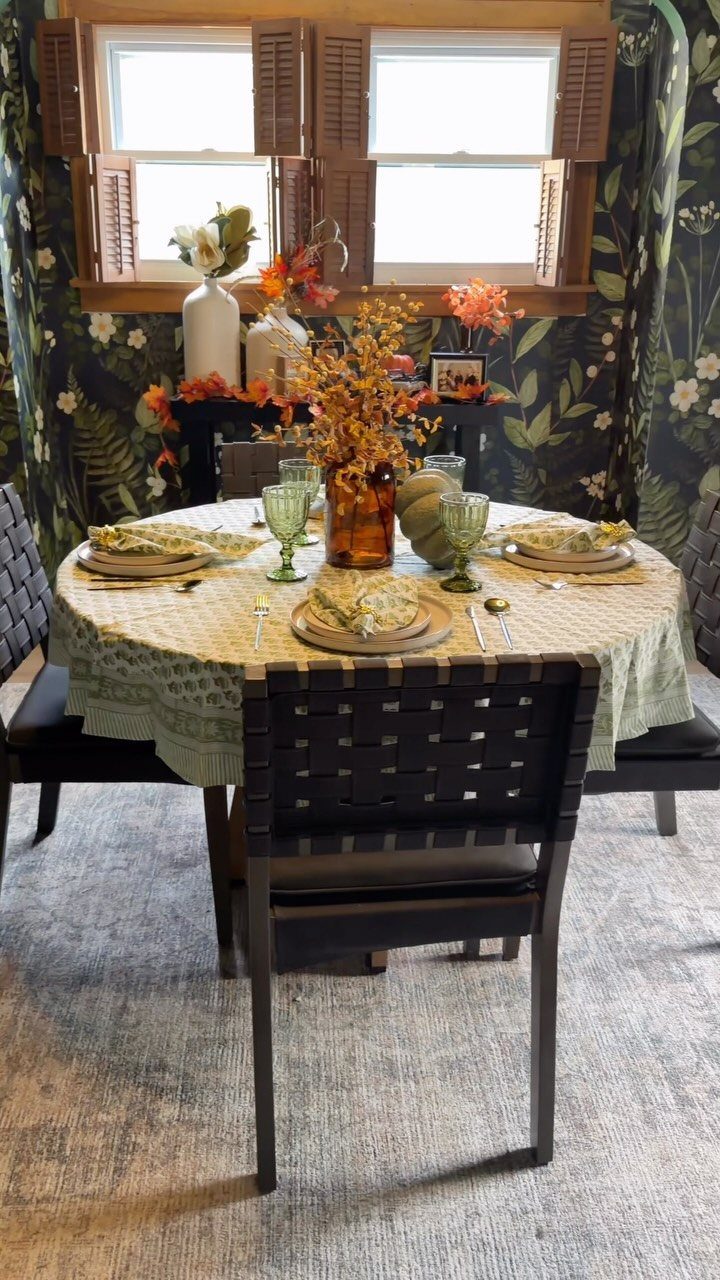
Round tables need a cloth cut to their shape or a square draped on the diagonal. A fitted round cloth lands at the same drop all the way around, which looks cleaner than fabric bunched at the corners.
Measure your table diameter and add the drop length twice to find the cloth size you need.
Round cloths are sold by diameter, so measure across the center of your table before you shop. A patterned cloth suits a round table well because the repeating motif radiates from the center.
16. Clear Lace-trimmed Tablecloth

A clear vinyl cloth protects the wood underneath while letting the grain and finish stay visible. The lace trim softens the plastic edge and gives it a finished look that plain vinyl does not have.
This is the choice when you want to preserve a wood table through daily use without hiding it under fabric.
Wipe it down after meals, and replace it when the vinyl clouds or cracks. The plastic holds up better to spills than cloth but shows scratches over time.
17. Red Tablecloth
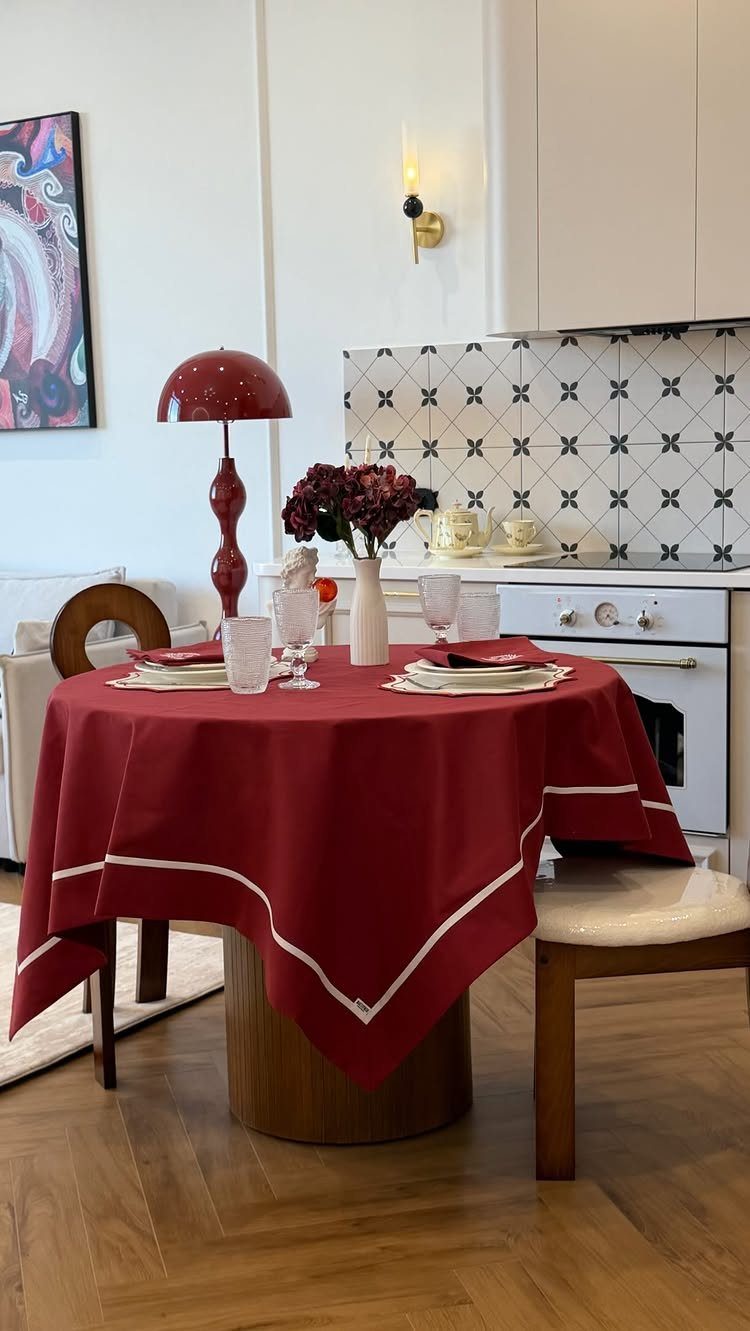
Red covers the table in one saturated color and turns it into the brightest surface in the room. A white or cream trim at the hem breaks up the solid and keeps the cloth from feeling too heavy.
Cotton holds red dye well and washes without much fading if you use cold water.
This works for holiday meals or anytime you want the table to anchor the room. Keep your dishes and napkins neutral so the red stays the main color event.
18. Colorful Geometric Tablecloth

Geometric prints in multiple colors give you a way to tie together mismatched chairs or dishes that share one or two of those tones.
The tassels at the hem add movement, and matching the chair covers to the cloth makes the whole set feel intentional.
The colorful geometric tablecloth reads casual and collected, and the pattern hides stains better than a solid. If your chairs need a refresh, covered seats pull the look together without reupholstering.
19. Red-and-white Check Tablecloth

Red and white checks with a gathered ruffle bring farmhouse color to a round table. The pattern reads cheerful without skewing too young, and the ruffle softens the table’s edge.
The weave takes repeated washing without losing its crispness. This works when you want pattern and texture in one cloth, and the ruffle adds dimension that a flat hem does not.
20. Buffalo Check Tablecloth

Black and white buffalo check puts a bold grid on the table and anchors the room in high contrast. The large-scale squares read modern farmhouse and pair well with wood furniture and woven textures.
If your chairs and walls are neutral, this brings pattern without painting or reupholstering.
21. Blue Patterned Tablecloth
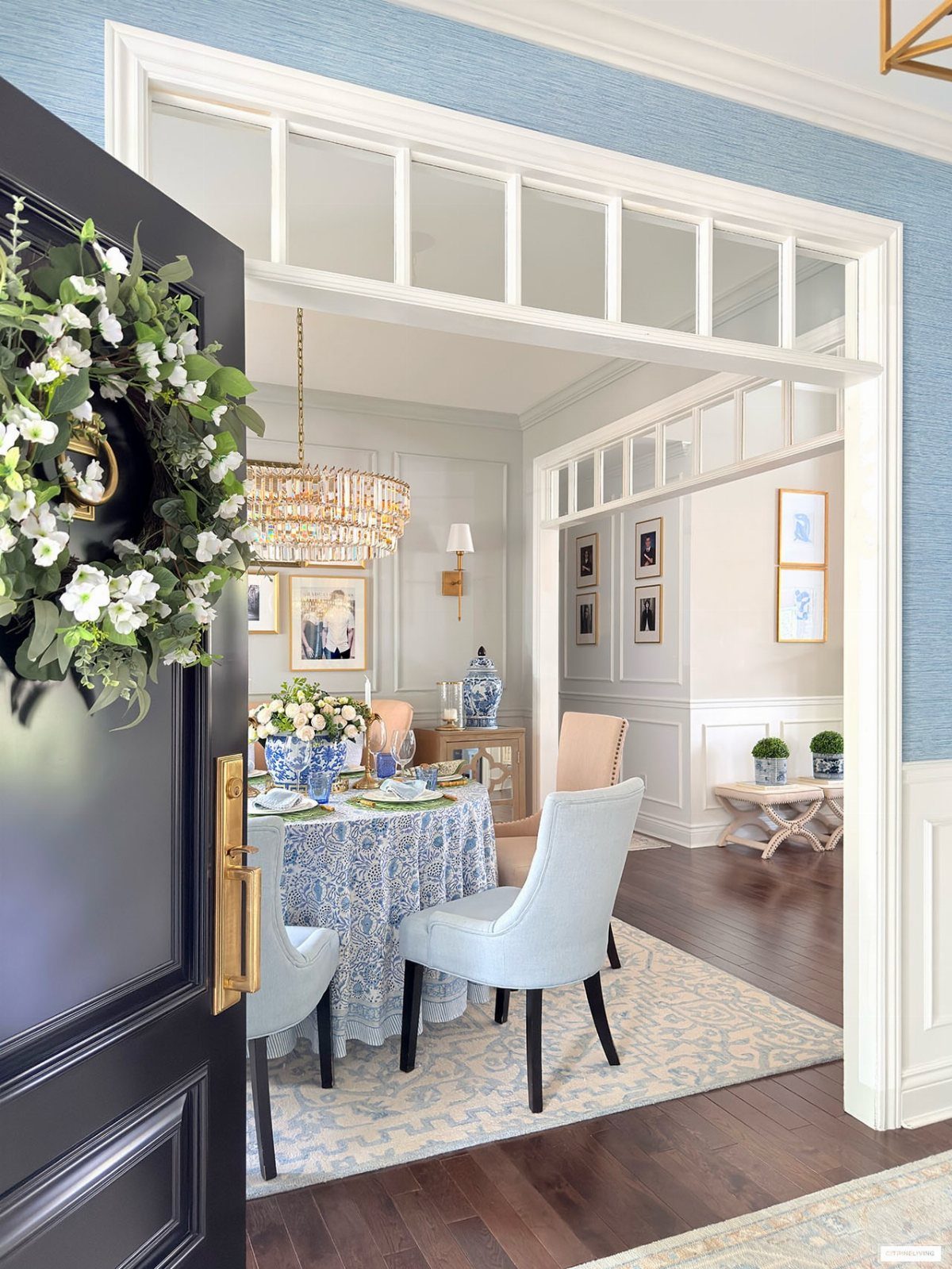
Blue and white patterned cloth brings color and detail to a table in a light-filled room. The print can run delicate or bold depending on the motif, and blue pairs easily with wood tones and neutral walls.
If your chairs are already light or neutral, a printed cloth like this adds pattern without competing with the rest of the room. Keep your napkins and centerpiece simple so the cloth gets to anchor the table.
22. Blue-and-orange Tablecloth

Blue and orange in a single pattern gives you warm and cool tones at once, and the contrast makes the table a focal point in a room with neutral furniture.
The pattern can tie together mismatched chairs or pull color from artwork and rugs.
Cotton holds both colors well and washes easily.
If your walls run dark or saturated, a patterned cloth in complementary colors keeps the table from disappearing. Pair it with solid napkins in one of the cloth’s colors so everything feels intentional.
23. White Embroidered Tablecloth
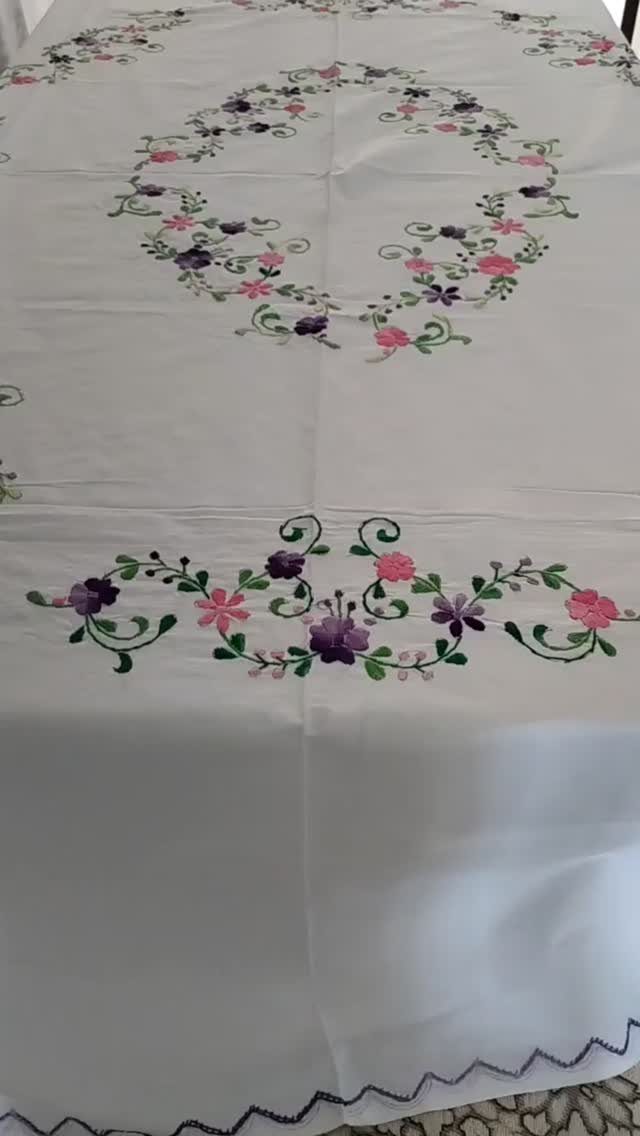
Colorful embroidery on white cloth brings handwork detail that stands out against a clean base. Floral motifs stitched in saturated thread add color without covering the whole surface, and the white ground keeps the table feeling light.
Hand-embroidered cloth costs more up front but outlasts printed fabric by years. A white embroidered tablecloth works when you want color and texture but prefer a lighter look than an allover print.
24. Table Runner
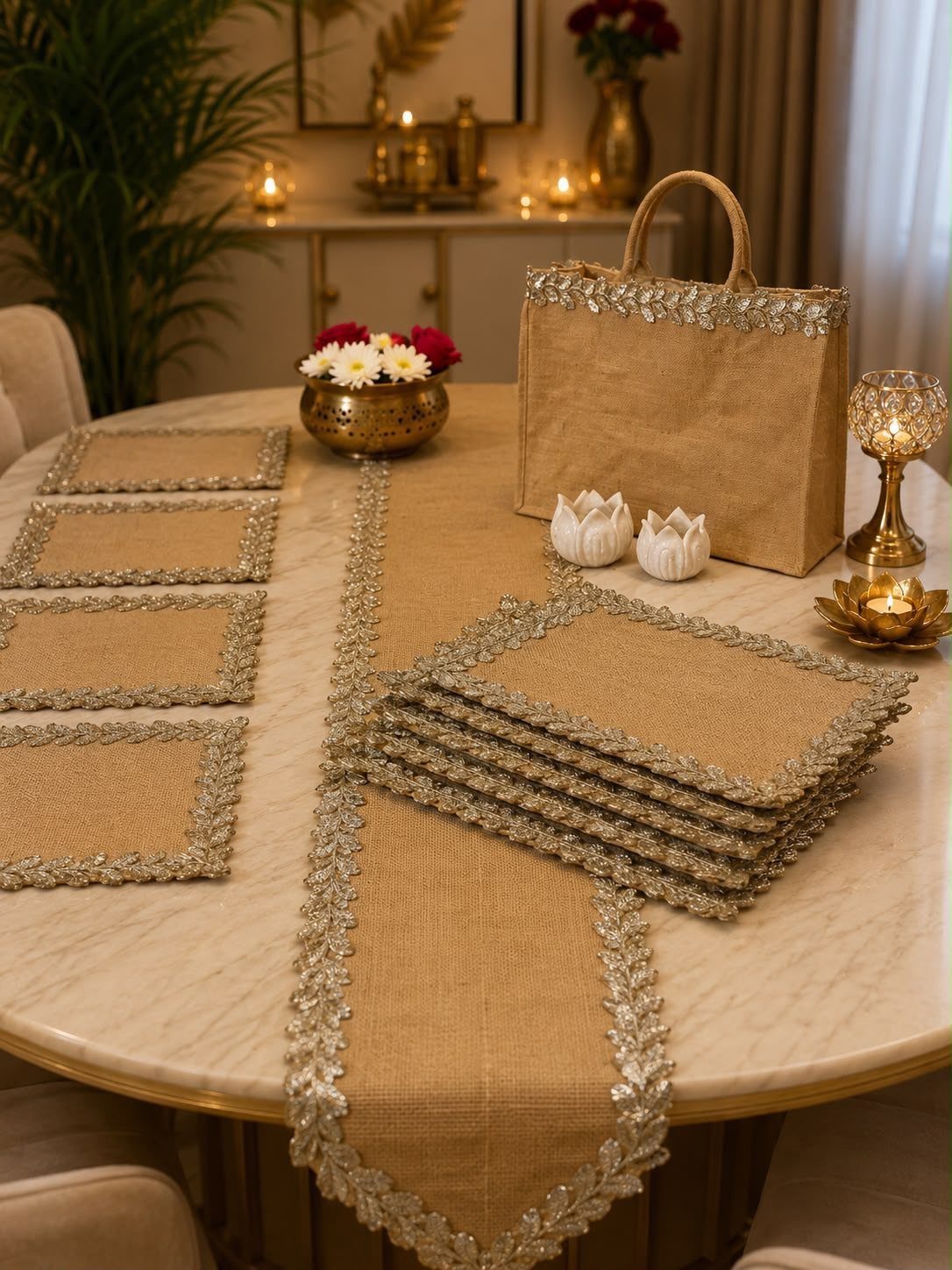
A runner covers the center of the table and leaves the ends bare, so you get pattern or texture down the middle and wood or a solid cloth showing at the edges.
Burlap, linen, and woven cotton all work, and a trimmed edge adds detail.
Runners cost less than full tablecloths and work on rectangular or oval tables.
Layer one over a solid cloth or use it directly on wood. A runner gives you a place to set serving dishes or a centerpiece without covering the whole surface.
25. Lace Table Runner
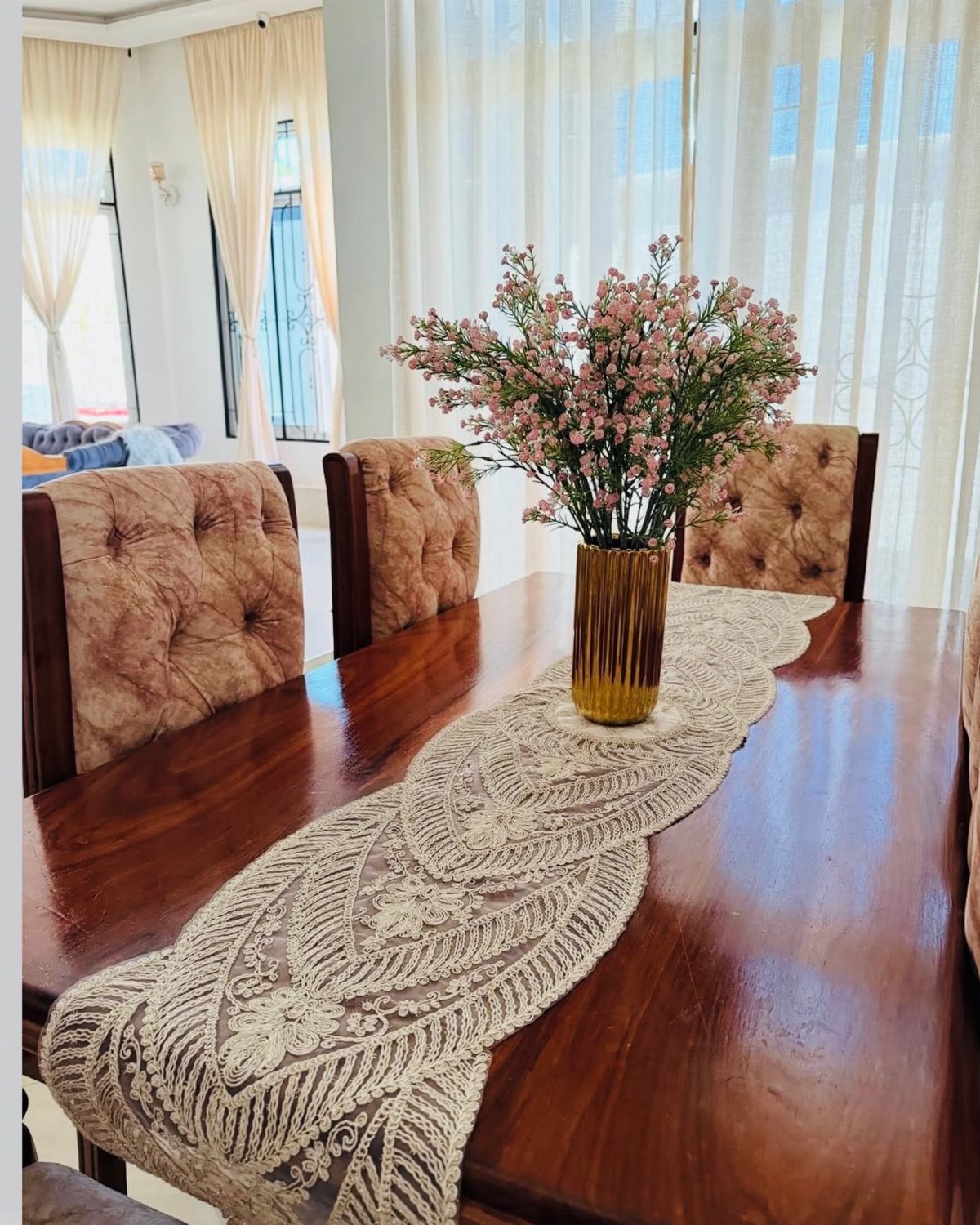
Lace laid down the center of a dark wood table puts pattern where you want it and leaves the wood visible at the edges.
The openwork shows the table surface underneath, and the contrast between white lace and dark wood makes both stand out more clearly.
A vintage lace runner costs less than a full cloth and works on narrow tables where a wide cloth would hang too far. Machine wash on gentle or hand wash to keep the lace from snagging.
26. Tablecloth and Runner
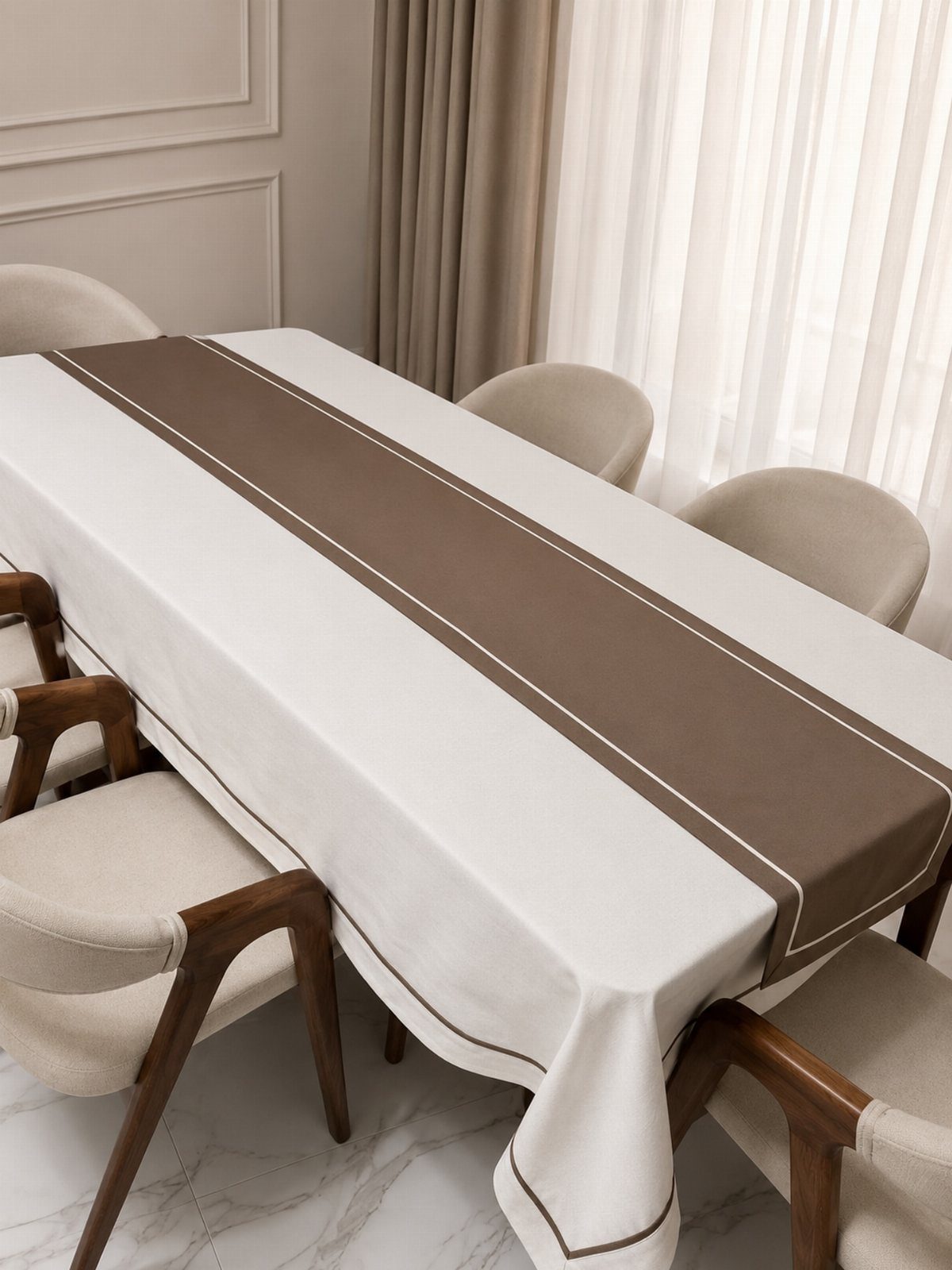
Layering a runner over a cloth lets you combine two colors or textures without either one taking over.
A neutral base with a patterned or textured runner keeps the setup from feeling too busy, and the runner defines the center line of the table.
The runner adds depth without the visual weight of pattern covering the whole surface. Pull one color from the runner into your napkins or centerpiece so the layers feel tied together.
27. Tablecloth with Centerpiece
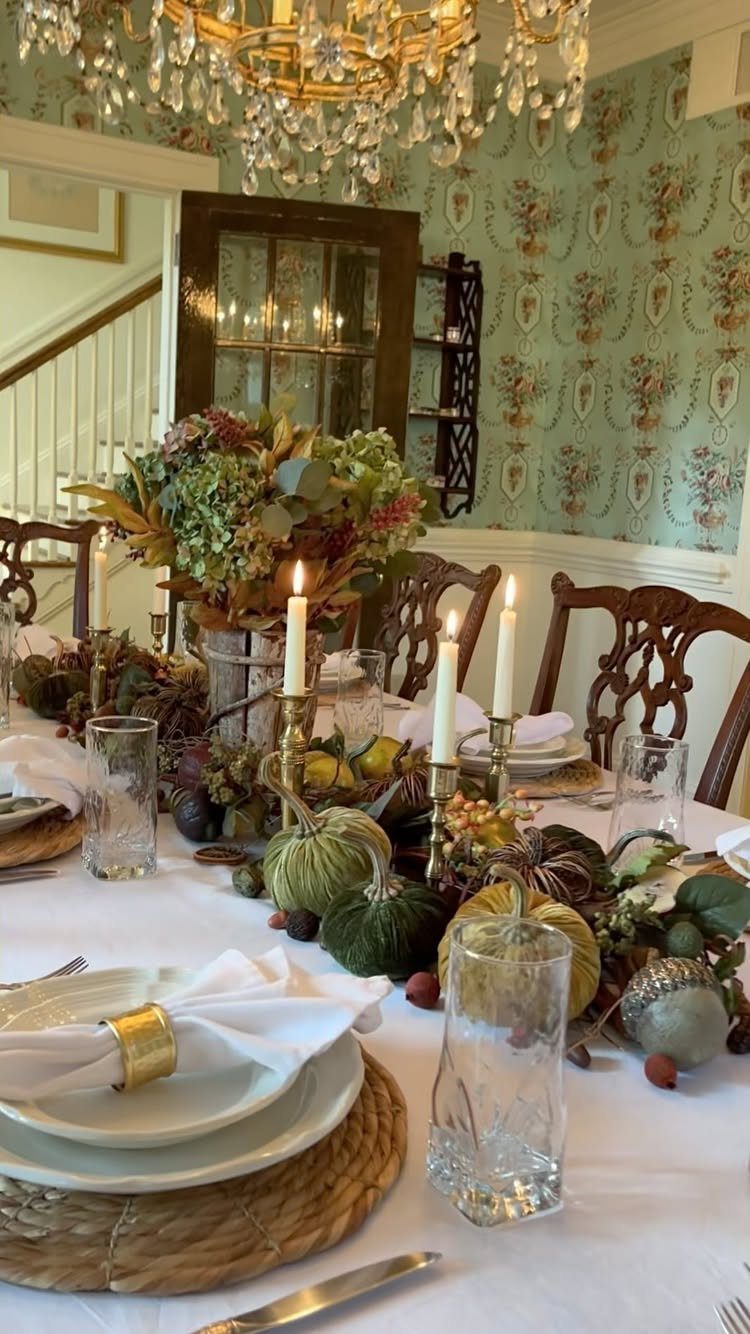
A simple white cloth becomes the backdrop for whatever you set on top. Seasonal arrangements, candles, or a low vase keep the focus at the table’s center, and the cloth keeps the setup feeling intentional rather than scattered.
A white base stays neutral under whatever flowers or decor you set down.
If your room already has pattern in the wallpaper or rug, a plain cloth keeps the table from competing. Change the centerpiece when you want a different look without buying new linens.
28. Neutral Farmhouse Runner

A woven runner with simple geometric detail brings texture without covering the table completely. The pattern adds interest that a solid runner would not, and the neutral tones pair with wood and metal without fighting for attention.
This sits well on a farmhouse or rustic table where the wood finish matters as much as what you put on it. A woven runner holds up to daily use better than lace and washes without losing its shape.
29. Jute Table Runner
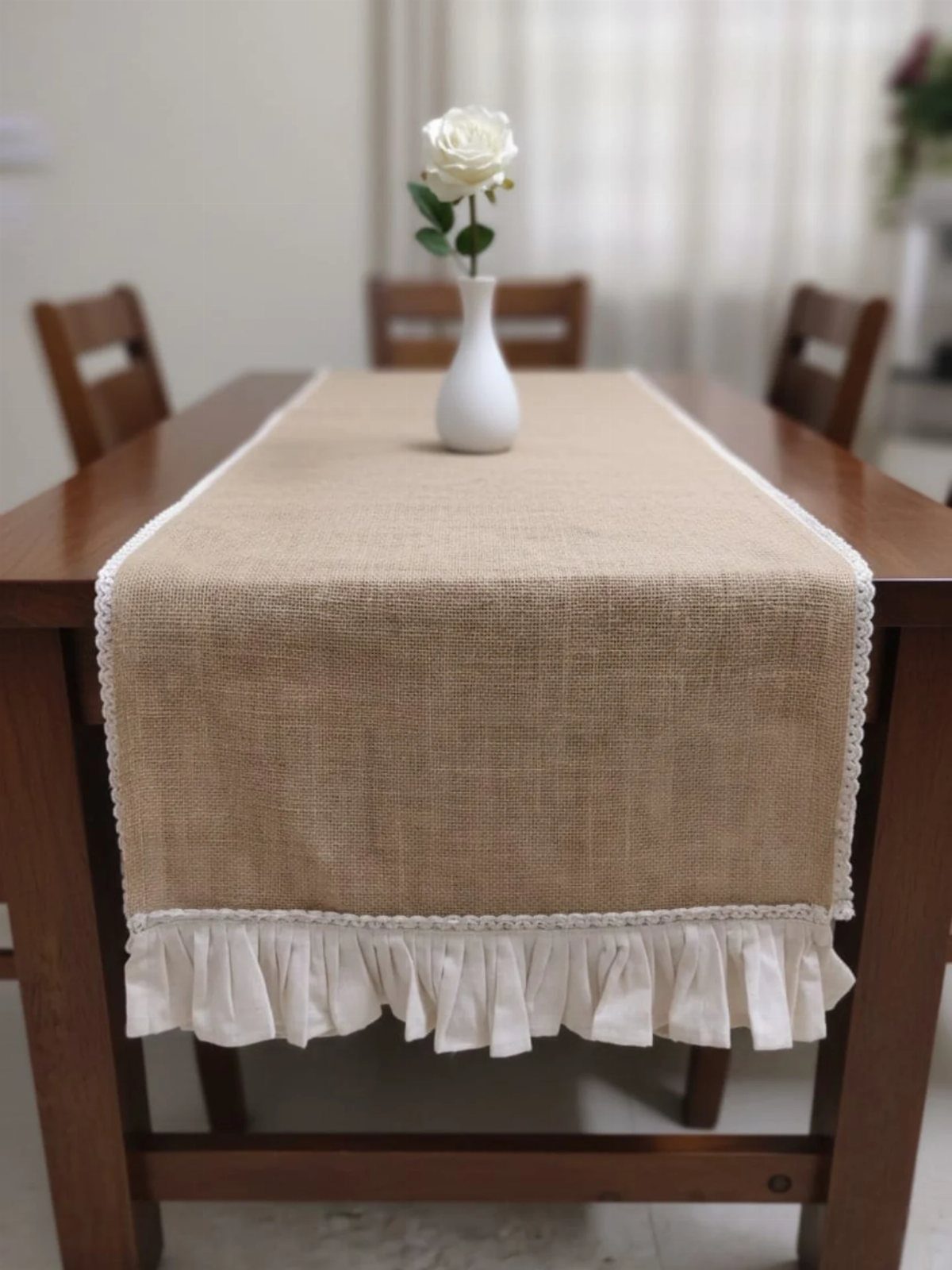
Jute gives you a coarse, natural fiber that adds texture to a wood table. The ruffle or lace trim softens the rough weave and finishes the edge, and the neutral tone works with most room colors.
Jute runners cost less than linen and suit casual or farmhouse spaces. The fiber sheds a bit at first and stiffens after washing, so this is better for a table you dress up occasionally than for daily meals.