
Ideas range from a reclaimed-wood bench you can source and build on a weekend to a custom live-edge slab table that needs delivery planning before it even arrives.
What decides which direction is right is how much of the furniture’s surface you want the wood itself to carry: raw grain, relief carving, cane webbing, hand-painted detail, and resin-filled voids each do something different with light and texture.
Japandi consoles, brutalist pieces, rustic forms, and bohemian shapes are all in here, so the style range is as wide as the material range.
1. Coffee Tables

A wooden coffee table can anchor a living room with texture and warmth. Choose one with clean lines if you want the wood grain to hold attention, or add details like inset glass or internal lighting for a sculptural look.
Pieces on casters work in smaller spaces where you need to shift furniture around. Solid wood weighs enough to stay put but rolls when you want it moved.
Finishes range from natural oil that shows every marking in the grain to lacquer that seals the surface smooth. Oil needs reapplication every few months; lacquer handles spills without extra upkeep.
2. Hand-Carved Furniture

Carved rope borders, cut-out motifs, and relief patterns turn a wooden piece into something you look at twice. The work is done by hand with chisels and gouges, so no 2 pieces match exactly.
Darker stains make carved lines stand out more; lighter finishes soften the contrast. If you want the detail to read from across a room, go darker.
Look for carved legs or edges on side tables, cabinets, and headboards. The technique adds decoration without changing the piece’s function, which makes it easier to fit into a room you have already furnished.
3. Dining Tables
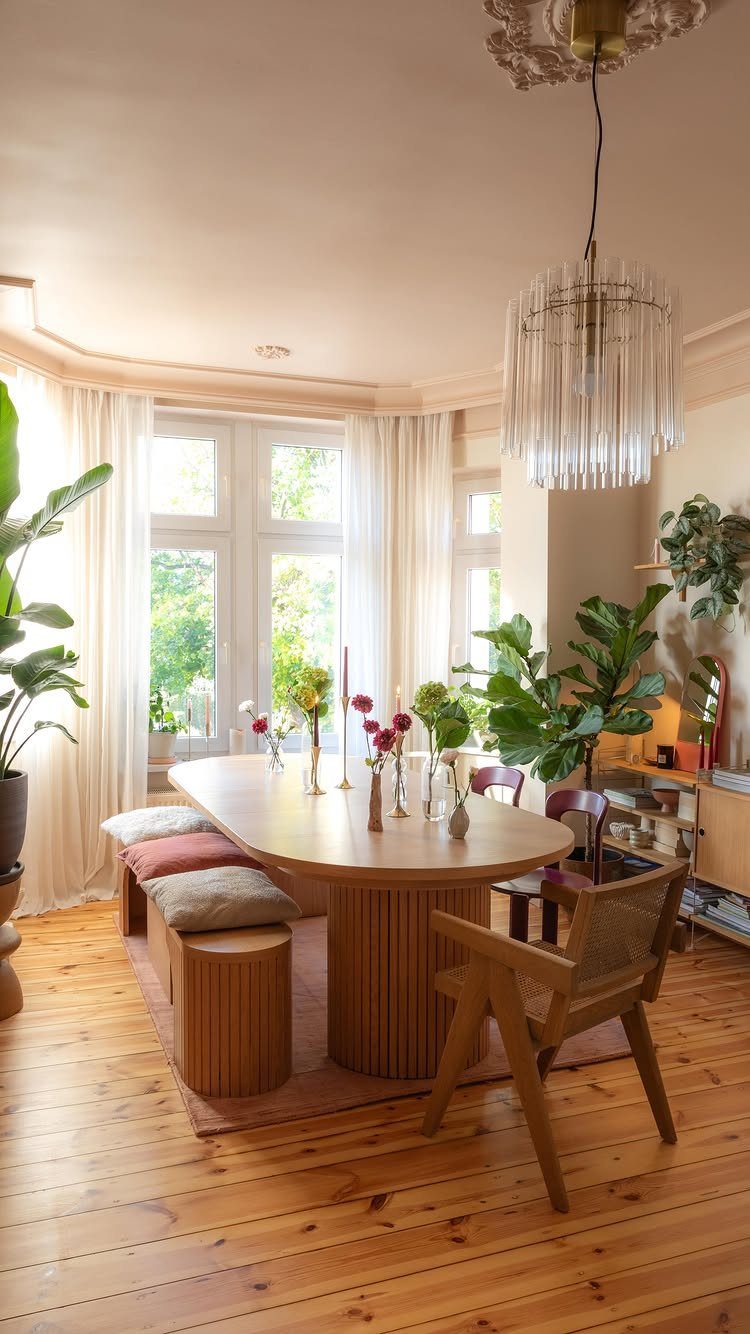
An oval table softens the geometry of a dining room and seats more people than a rectangle of the same length. Wooden bases with slats, turned legs, or pedestal supports give the piece its character.
Solid wood tops dent and mark over time, which some people prefer and others avoid. A clear finish protects the surface but will not prevent every scratch.
If you are commissioning a table, bring the dimensions of your room and the number of chairs you need. Custom sizing costs more but guarantees the table fits the space without crowding walkways or leaving gaps.
4. Bars and Stools
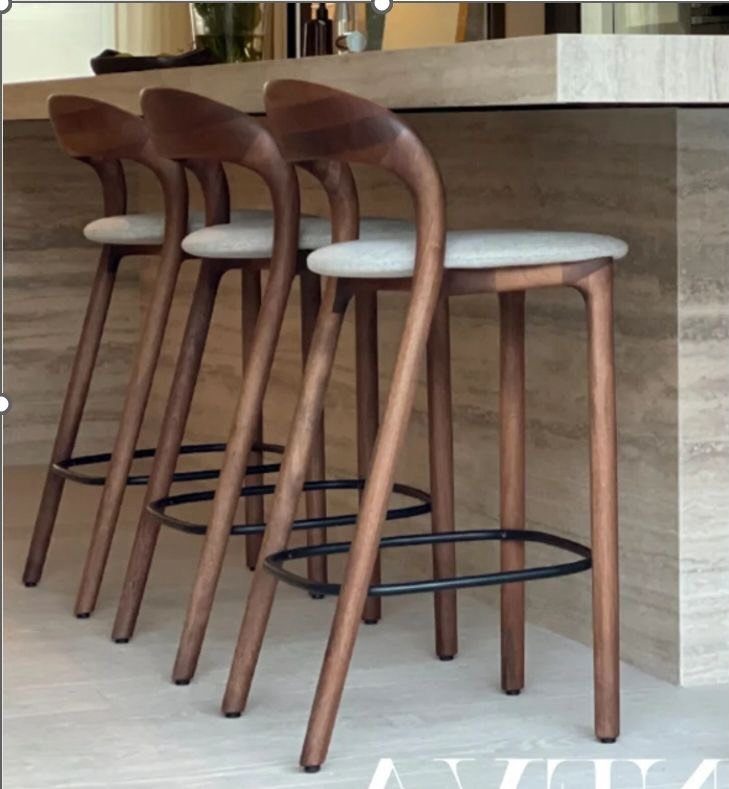
Bar stools with shaped backs and carved seats offer comfort for longer stretches at a counter. Wood frames can be stained to match existing furniture or left natural to contrast with darker cabinetry.
Measure your counter height before ordering. Bar height calls for taller stools; counter height needs shorter seats.
Curved plywood or solid wood seats both work. Plywood bends into ergonomic shapes; solid wood shows grain more clearly but weighs more and costs more upfront.
5. Wooden Benches
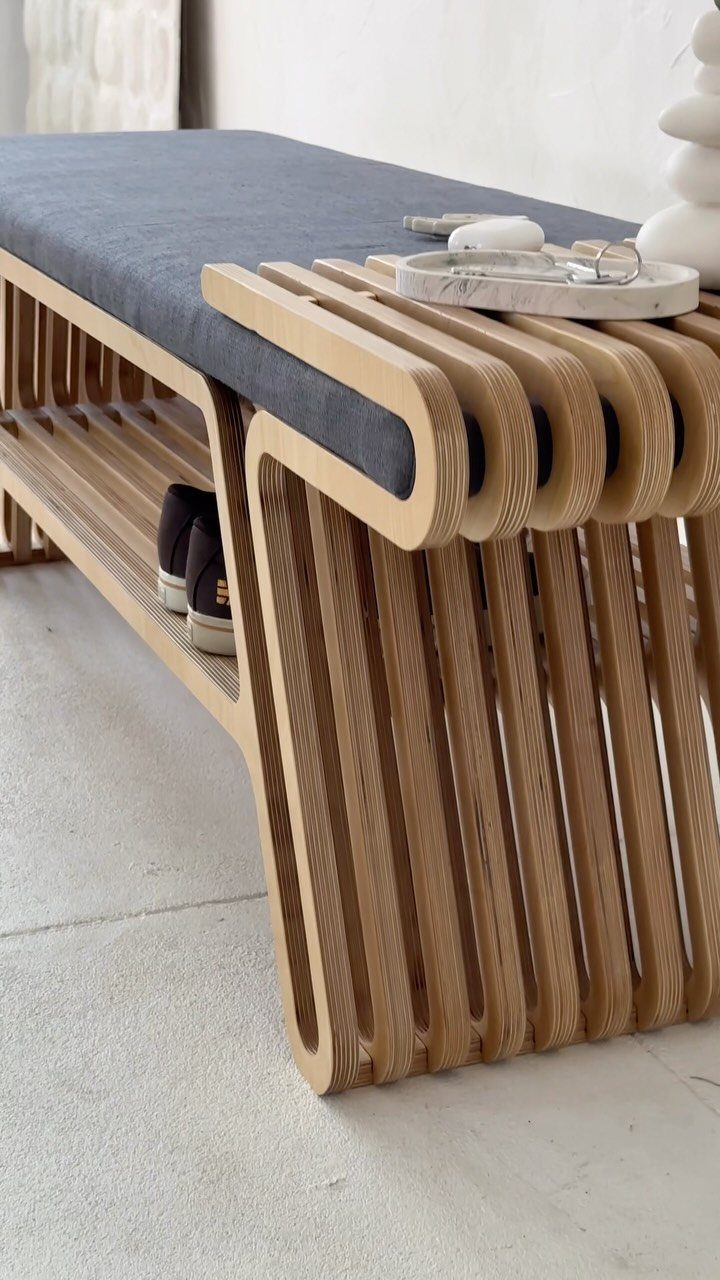
Benches made from curved slats flex slightly under weight, which makes them more comfortable than a flat plank. Add a cushion if you want padding, or leave the wood bare for a sculptural look.
Place one in an entryway for pulling on shoes, at the foot of a bed for folded clothes, or along a dining table to seat more people in less space than individual chairs take up.
Plywood slats can be layered and bonded into curves, making them a practical choice for modern designs. Solid wood benches hold up longer but do not curve as tightly.
6. Wooden Side Tables

A side table that tucks under the arm of a sofa or the edge of a bed keeps a drink or a book within reach and leaves the floor clear. C-shaped designs and cantilevered tops make this layout work.
Wood adds warmth next to upholstered furniture. Walnut and oak hold up to daily use; softer woods like pine dent more easily but cost less and take stain evenly.
Look for a top large enough for a mug and a phone. Anything smaller ends up decorative instead of functional.
7. Wooden Console Tables

Console tables fit narrow spaces where a full-depth piece would block a walkway. Place one behind a sofa, along an entryway wall, or under a window where you need surface area without bulk.
Drawers keep smaller items out of sight and dust-free.
Finished backs matter if the table floats in a room rather than sitting flush against a wall. A panel back or exposed joinery looks deliberate from either side; unfinished plywood does not.
Match the wood tone to other furniture in the room, or pick a contrasting finish to make the piece stand out.
8. Wooden Chairs
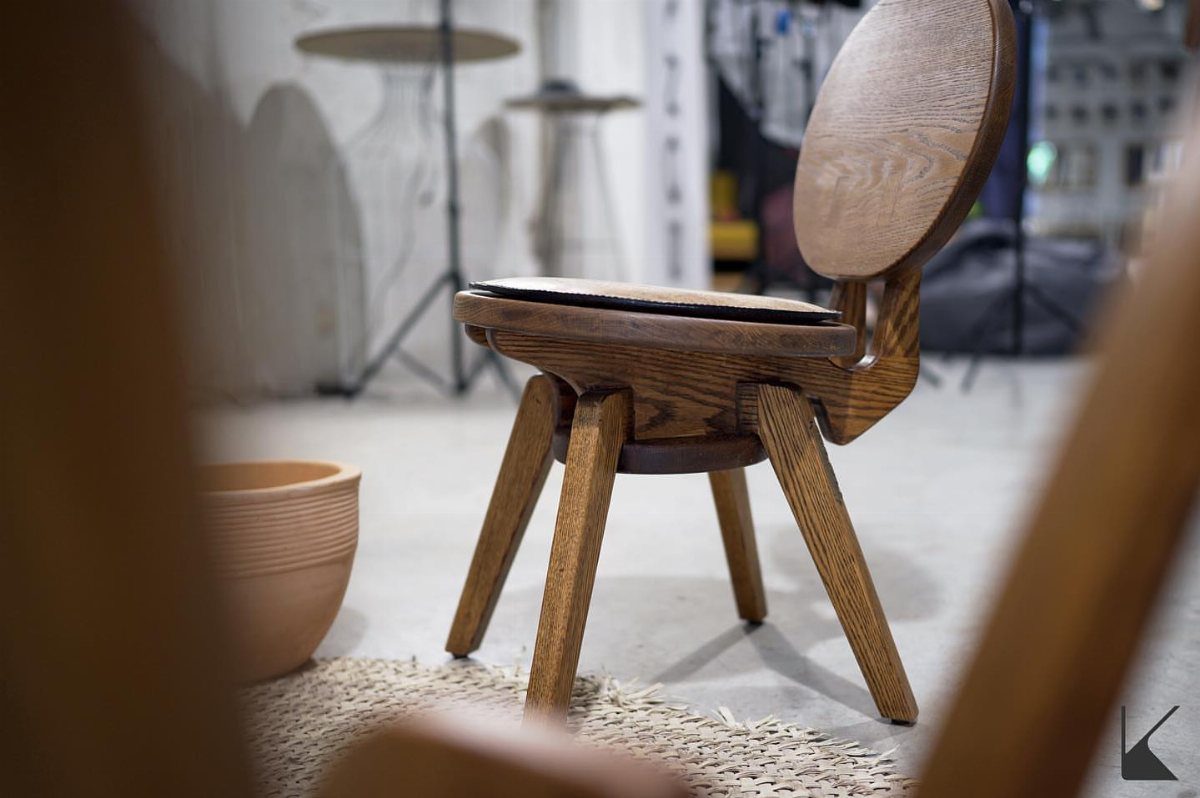
Curved backs follow the spine and make a wooden chair comfortable enough for a long meal without a cushion. Look for shaping in the backrest and a seat that dips slightly rather than sitting flat.
Solid wood chairs hold up to daily use. Joints should be mortise-and-tenon or doweled, not just screwed, if you want the frame to stay tight after years of shifting weight.
Woven seats add give and breathe better than solid wood. Cane, rush, and paper cord all work; cane costs more and shows finer detail.
9. Wooden Stools

Stools with square seats pack more surface area into the same footprint as a round top, which matters if you are setting down a plate or a laptop.
A footrest rail keeps your posture upright when the stool sits at bar height. Without one, your feet dangle and the seat feels uncomfortable quickly.
Backless stools tuck under counters and tables to save floor space when not in use. Add a cushion if the seat feels too hard, or choose a contoured wooden seat that follows the shape of your legs.
10. Hand-Painted Art Furniture
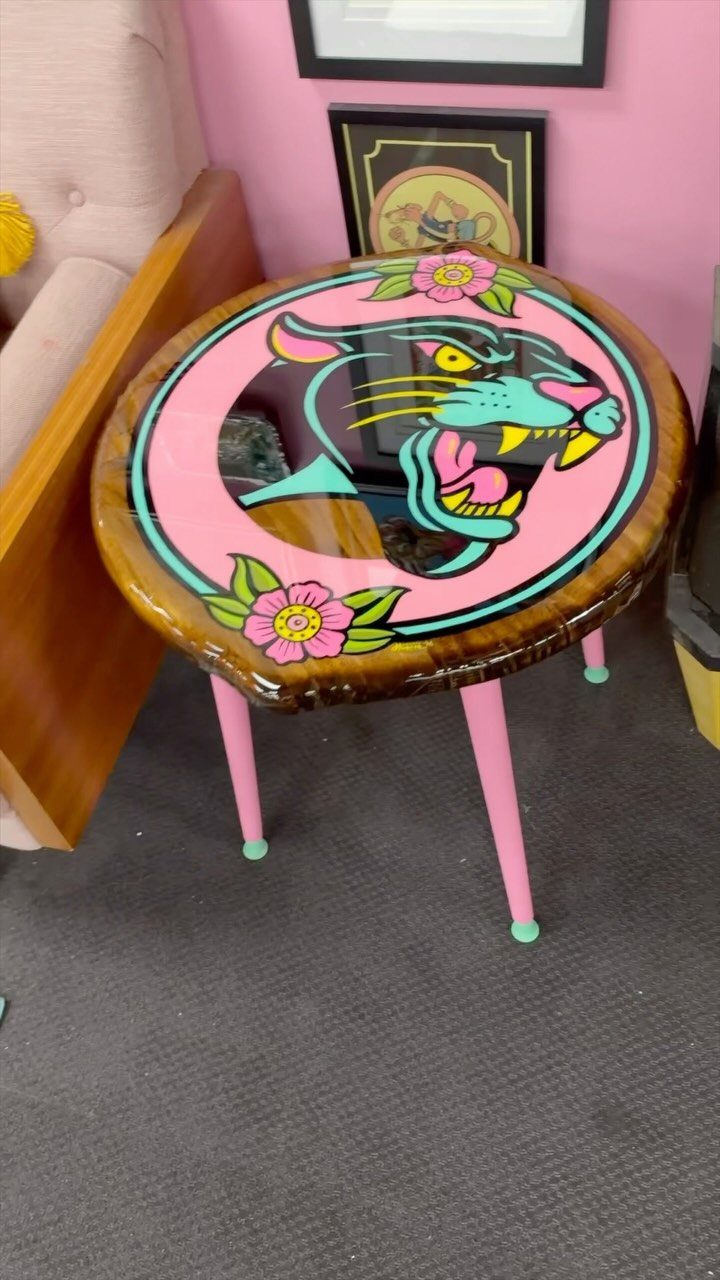
Painted designs on wood furniture add color and pattern to a room in a way that fabric or wallpaper cannot.
Animals, florals, and abstract shapes all work; the design is permanent once sealed, so choose something that holds up to long stretches in view.
Acrylic paint bonds to sealed wood and layers without bleeding. A clear topcoat protects the artwork from scratches and spills.
Legs and trim painted in a solid accent color frame the design and tie the piece into the room’s palette. If the top pattern is busy, keep the base simple.
11. Sculptural Forms
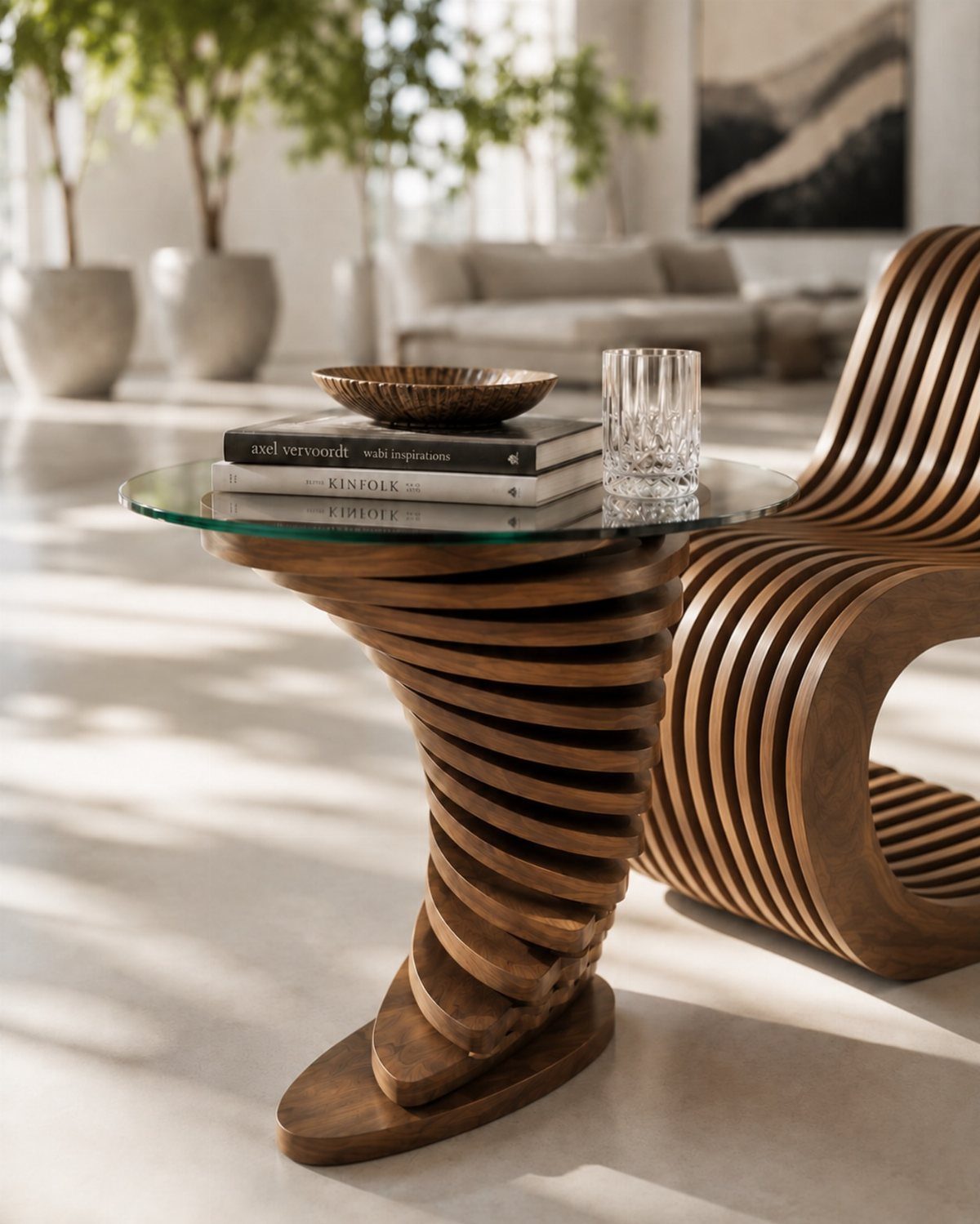
Furniture with a sculptural base reads as art even when it is holding a lamp or a drink. Curved ribs, stacked sections, and twisting forms give the piece presence in a room where flat surfaces would disappear.
A glass top lets the base stay visible and keeps the silhouette open. Wood tops add weight and warmth but cover part of the sculpture underneath.
Place sculptural pieces where they have space around them. Pushed into a corner or crowded by other furniture, the form loses its impact.
12. Solid Wood Bed
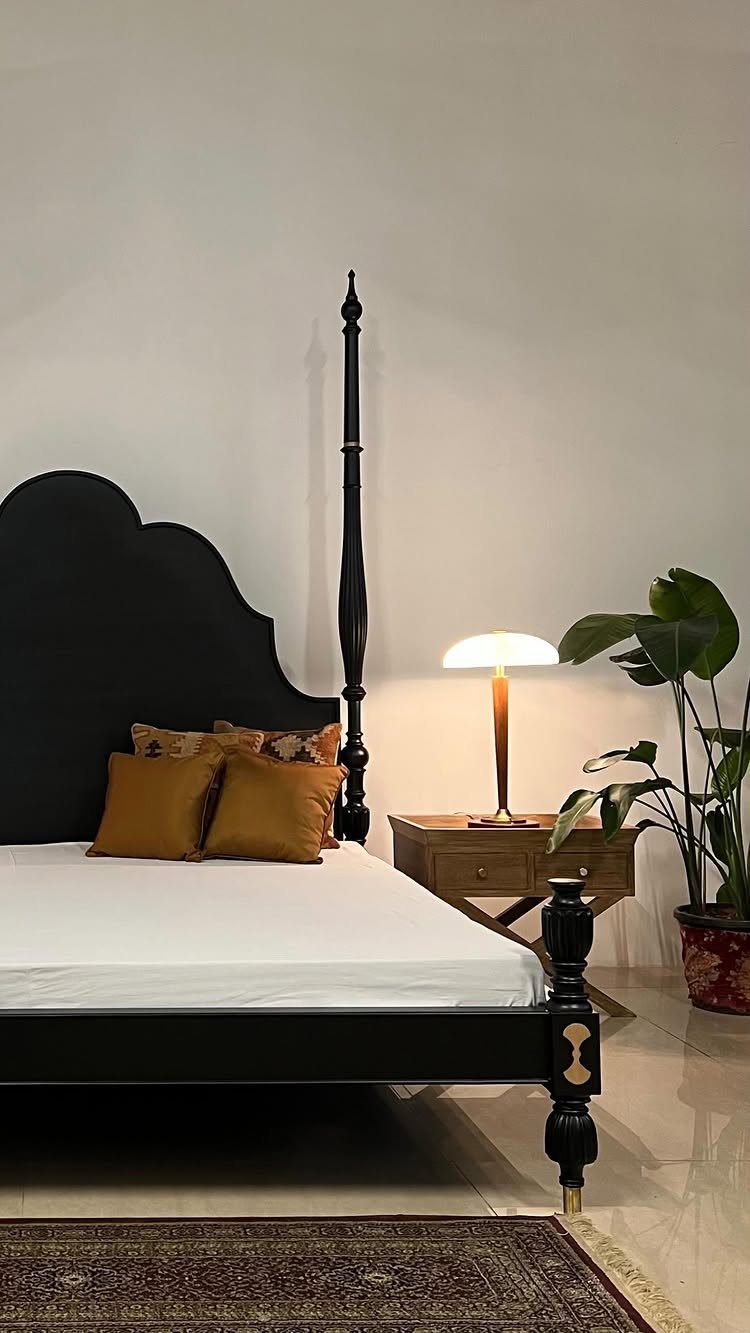
A bed frame in solid wood anchors a bedroom with weight and texture that metal or upholstered frames do not offer. Carved posts and shaped headboards add detail without requiring extra furniture.
Slat supports built into the frame eliminate the need for a box spring. Space slats close enough to keep a mattress from sagging between them.
Dark stains show carved details more clearly than light finishes. If the carving is subtle, a darker wood brings it forward.
13. Bookshelves

Shelves built from raw branches and solid planks bring the outline of a tree indoors. The branch serves as the vertical support; boards slot in horizontally to hold books and objects.
This approach works in corners where a standard bookshelf would not fit or along a wall where you want storage that does not look manufactured. The wood grain stays visible, and no 2 branch shapes match.
Secure the branch to wall studs and check that each shelf sits level before loading weight onto it. Unfinished wood will season and shift slightly over the first few months.
14. Sideboards and Buffets
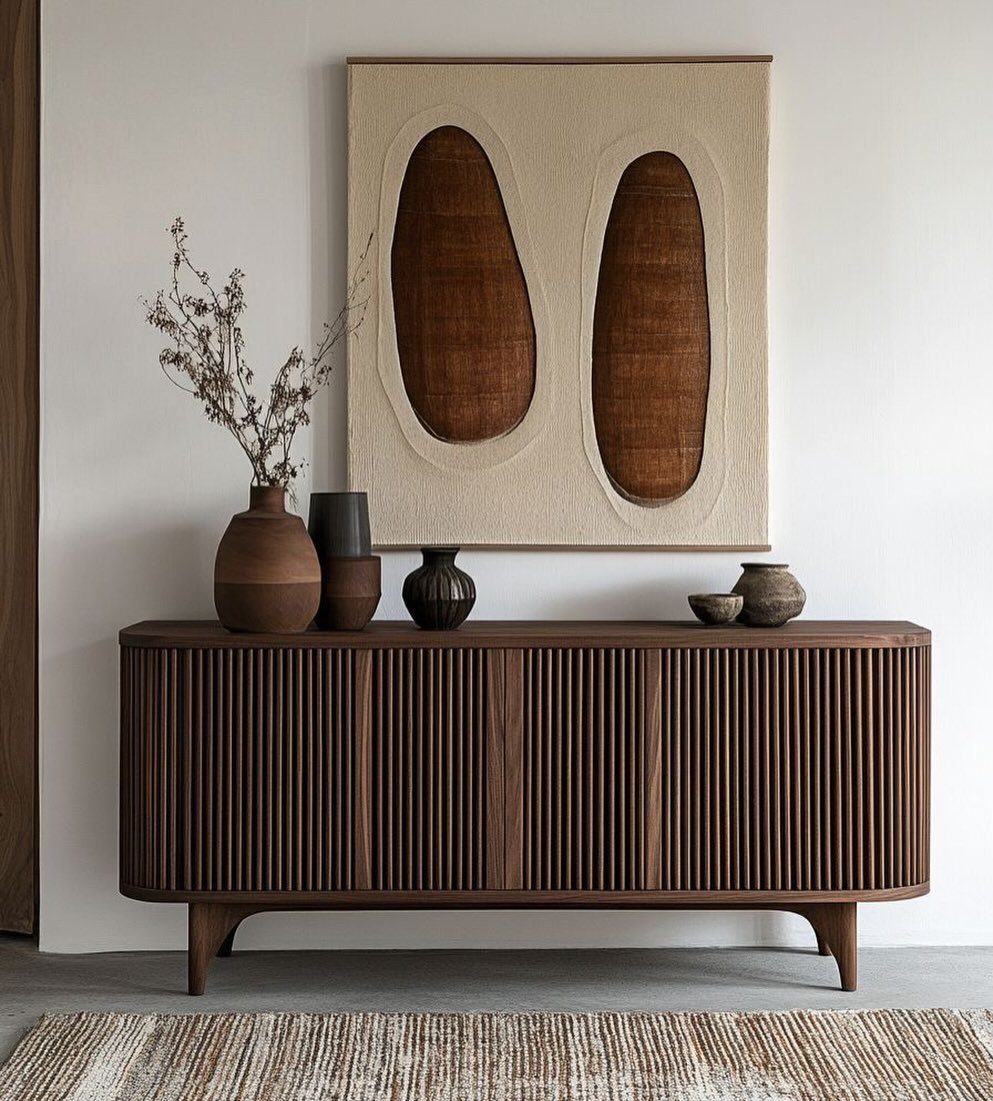
Fluted fronts and ribbed panels give a sideboard texture that catches light differently as you move through a room. The vertical grooves run the height of the doors and drawer faces, adding detail without carving or inlay.
Inside, adjustable shelves hold dishes, linens, or anything else you want behind closed doors. Drawers at the top keep smaller items sorted and within reach.
Natural wood finishes show the grain through the ribbing. Darker stains deepen the shadow between each groove and make the pattern more pronounced.
15. Wooden Cabinets

Glass-fronted upper cabinets let you display dishes or collections while keeping dust off. Wooden frames around the glass add structure and tie the cabinet into other furniture in the room.
Drawers below the glass section hold flatware, napkins, or anything you would rather keep out of sight. Pull handles in metal or wood give you a grip without adding bulk to the front.
16. Wooden TV Stands

Thick timber shelves give a TV stand enough presence to hold its own under a large screen. Open shelving keeps media components accessible and cables easier to manage than enclosed cabinets allow.
Measure the width of your television and add a margin on each side so the stand frames it without looking cramped. The top shelf should sit low enough that the screen stays at eye level when you are seated.
Solid wood shelves support the weight of a soundbar, books, and decorative objects without sagging.
17. Wooden Mirror Frames

A mirror frame built from salvaged wood planks adds weight and texture to a wall where a thin metal frame would disappear. Thick boards with visible grain, weathering, or natural edges make the frame itself something you notice.
The frame stays stable and you avoid drilling into the wall.
Reclaimed wood shows marks from its previous life, which adds character but means no 2 pieces will match exactly.
18. Custom Fireplaces

A wooden mantel above a fireplace adds a horizontal line that breaks up a wall and gives you a place to rest objects at eye level.
Natural edges and visible grain make the mantel feel less like trim and more like a piece of furniture.
Mount the wood to a cleat anchored into studs so the mantel can hold weight without sagging. Check local code for required clearance between the wood and the firebox opening before installation.
Finish the wood with a heat-resistant sealer if the fireplace will see regular use.
19. Game Room Tables
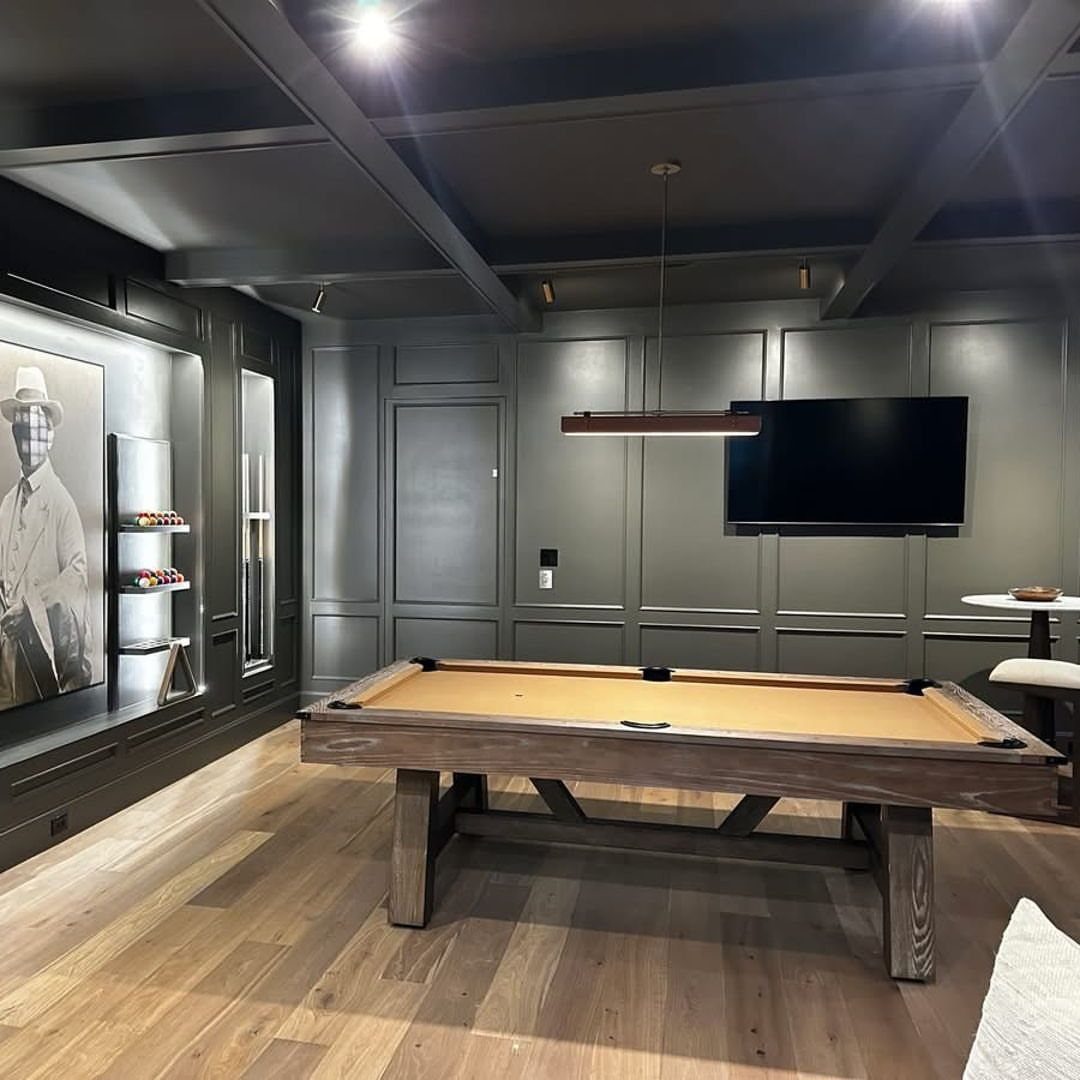
Pool tables built from solid wood sit in a different category than standard game room furniture. The frame, legs, and rails are all part of the design, so the piece reads more like a custom dining table than equipment.
Slate beds wrapped in felt are the standard for a level, consistent playing surface. The wood choice and finish are cosmetic, but they determine how well the table fits the room.
A rustic frame against dark paneling, the way this one is set up, grounds a modern space without the piece feeling like it belongs in a lodge. Matching the stain to shelving or flooring pulls the whole room together.
20. Live-Edge Tables

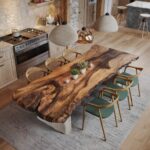
Live-edge tables keep the slab’s natural outline intact along one or both sides, so no two pieces finish at the same width or follow the same curve.
Resin fills voids, cracks, and river lines in the slab rather than routing them out. Clear or tinted resin both work; clear keeps the focus on the wood grain and the natural shape of the void.
Matching chairs with leather seats, as this setup does, hold the raw quality of the top in check without lightening the whole piece into something rustic.
A slab this size runs heavy, so delivery and placement need planning before the piece arrives.
21. Cane-Detail Furniture

Cane webbing stretched across a frame panel lets air pass through and breaks up a solid wood surface with fine texture. The weave pattern is consistent, which reads as deliberate craft rather than ornament.
Nesting tables give you extra surface area when guests arrive and stack back to a small footprint when they leave. On a set like this one, the cane sides face outward whether the tables are nested or spread out.
Cane can loosen over time in very dry air.
22. Reclaimed Wood Furniture

Reclaimed wood carries visible history: nail holes, checking, weathered grain, and color variation that new lumber does not replicate. That surface record is exactly what makes it worth using.
A thick beam mounted on black metal legs, the way this bench is built, puts the material in plain view from every angle. The metal base keeps the look current without competing with the wood.
Sourcing matters more than the finish. Reclaimed barn boards, factory floors, and shipping pallets each bring different grain character and different levels of hardness, so know what you are buying before committing to a piece.
23. Bohemian Furniture

Bohemian rooms layer natural materials rather than matching them. A live-edge coffee table, woven pendant light, and botanical prints on the wall all pull from different textures and origins without any single piece taking over.
Wood works in this style because it reads as organic rather than finished. A raw or lightly oiled surface suits the palette better than a high-gloss coat.
Low-profile furniture keeps the room from feeling crowded when the walls carry a lot. Keeping the sectional and table close to the floor opens up the upper half of the room for hanging plants and art.
24. Rustic Furniture

Rustic wood furniture prioritizes the material’s natural state over clean geometry. Branch forms, rough surfaces, and irregular grain are qualities to highlight rather than sand away.
A branch fixture like this one works because the imperfection is the point. The gnarled shape and attached leaves read as a found object, not a manufactured product, and no two will look identical.
Furniture in this style tends to suit rooms that already carry texture elsewhere: stone, linen, brick, or aged metal. Drop it into a minimal space and the piece can read as unfinished rather than intentional.
25. Japandi Furniture

Japandi pulls from Japanese minimalism and Scandinavian restraint at once: light wood, low profiles, and a palette that stays within a few degrees of neutral.
The floating console and wall cabinetry in this room work because every surface is doing something useful.
Storage is built in, nothing sits on the floor that does not need to, and the wood grain carries all the visual interest the room requires.
Choosing furniture with clean, unornamented fronts is the move that holds this style together. One piece with fussy hardware or a high-gloss finish pulls the whole room off course.
Matte or oiled wood finishes suit this style far better than lacquered ones.
26. Wabi-Sabi Furniture

Wabi-sabi furniture treats irregularity as a finish rather than a flaw. A live-edge headboard with an uneven silhouette, like the one here, is the right material for this approach precisely because no router touched its outline.
The style asks for restraint everywhere the wood is not: bare walls, natural textiles, and a floor covering in an undyed fiber like jute. That keeps the organic quality of the wood from reading as unintentional.
Low-profile beds suit this look especially well. The frame stays close to the floor, the headboard reads as a slab of material rather than furniture, and the room holds its quiet quality without a single decorative object doing any work.
27. Southwestern Furniture
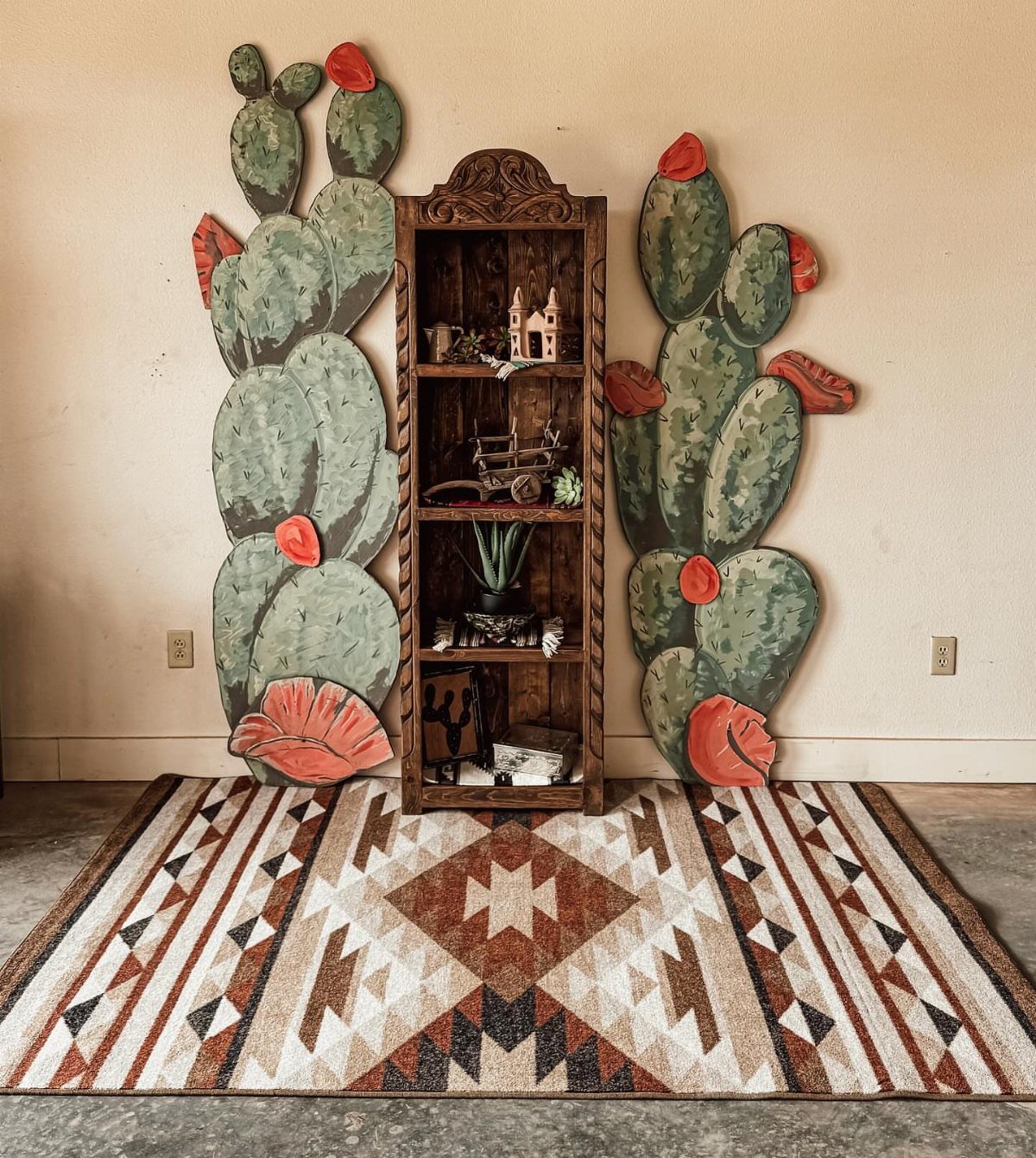
Southwestern style layers geometric pattern and natural material without asking them to match.
Flat-cut wooden shapes work as sculpture in this style. A cactus, a roadrunner, or a mesa outline cut from plywood and left raw or painted in a single matte color reads as deliberate rather than crafted.
Pairing a wooden piece with a geometric rug is the quickest way to signal this aesthetic in a room that otherwise lacks it.
28. Brutalist Furniture

Brutalist furniture treats the tool marks as part of the finished surface. Chiseling and gouging the wood rather than sanding it smooth leaves a surface that catches light unevenly and reads almost like stone.
The same carving reads very differently depending on finish: leave one piece natural and finish another in black to see how much treatment shifts the whole character.
Black stain drives the shadows deeper and makes the texture more pronounced; the natural finish shows the grain alongside the cuts.
This style suits rooms that already carry rough or industrial elements. Against a smooth, painted wall it can read as unfinished work, so pair it with material that has its own texture.
29. Nature-carved Furniture

Nature-carved furniture puts the artwork on the piece itself, not on the wall behind it.
Carving the image into the wood rather than painting it on gives the piece depth and shadow that shifts as the light in the room changes.
Detailed relief carving at this scale takes a skilled hand and the price reflects that. A single carved cabinet tends to anchor a whole room, which means the surrounding furniture can stay simple without the space feeling sparse.
Placing a carved piece against a solid color wall, as this one is, lets the carving read clearly. A busy backdrop competes with the surface detail and loses the effect entirely.
30. Resin River Dining Tables

The resin river in a table like this one is not decorative in the way inlay or paint is: it fills a natural void or the gap between 2 matched slabs, so its shape follows the wood rather than a pattern someone designed.
Color is the decision that carries the most weight.
The teal here reads as bold against the warm grain, which works in a room that can hold a visual anchor. Clear resin keeps the focus on the wood; pigmented resin shifts it toward the pour itself.
Epoxy resin used in these pours typically runs harder than the surrounding wood once cured, so the surface stays level and sands to a consistent sheen across both materials.
31. Wood-and-metal Furniture

Bronze-colored figure sculptures standing in as table legs change the whole register of a console: the base becomes the artwork, and the live-edge slab above it reads as a platform rather than the focal point.
This combination suits a room that already carries warm tones. The bronze finish pulls toward amber, ochre, and natural wood grain without needing much else in the room to make the connection.
Keep the surface spare. A fern and 2 vases, as this one is styled, give the eye enough to rest on without crowding the figures underneath.
Sculptural bases like this are cast or fabricated to order, so lead times run long and prices reflect the labor. Budget for both before committing.