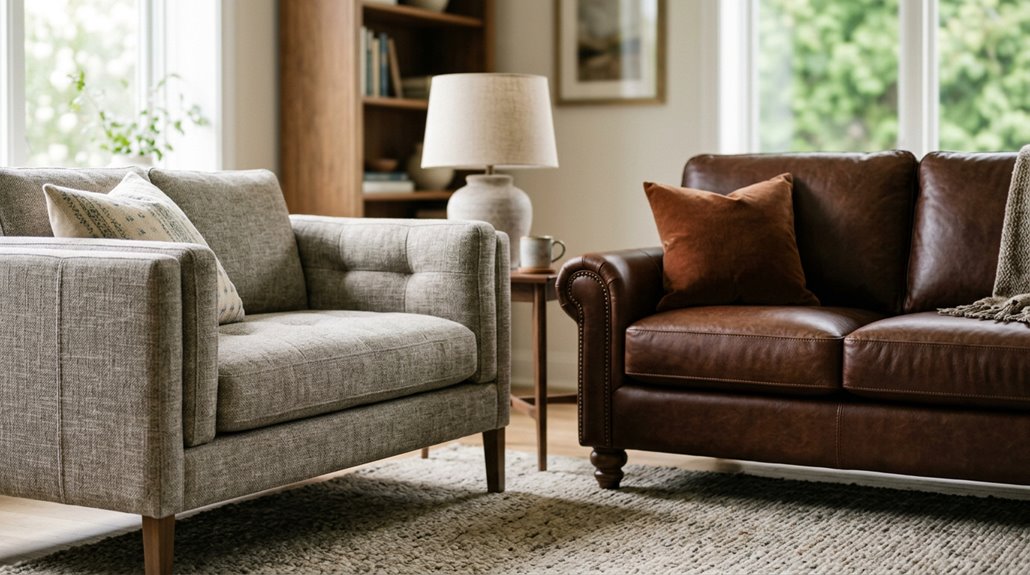
Tight corners? Loveseat wins.
Larger rooms? Sofa anchors the whole vibe.
Sofas cost roughly $200 more, but pairing both pieces gives you serious layout flexibility.
Understanding how each piece shapes your room’s energy will help you make the right choice for your space.
Size and Seating Capacity: What Each Piece Accommodates
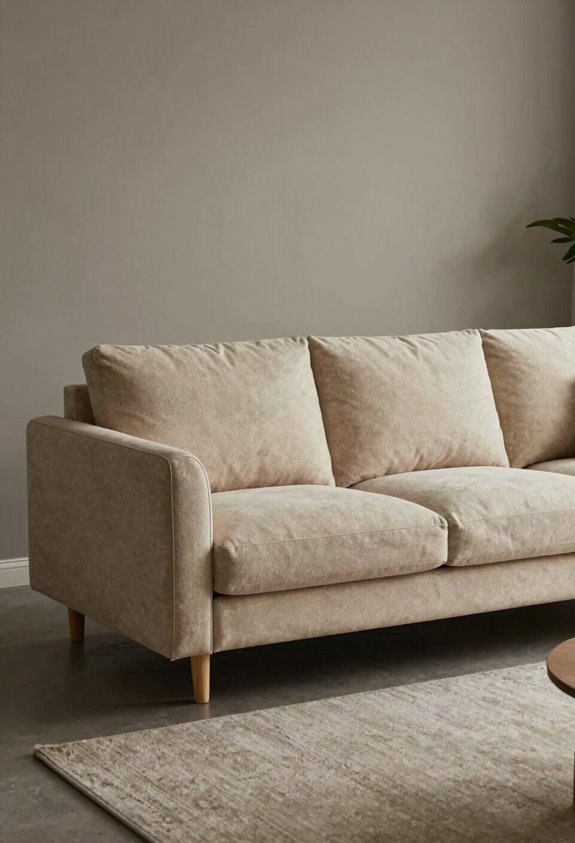
Ever wonder why some couches feel like they’re eating your entire living room while others barely make a dent? A loveseat typically runs 52–64 inches long and comfortably seats two people, making it perfect for cozy spaces. A sofa, though, stretches 70–96 inches and genuinely accommodates multiple people lounging around. The main difference comes down to arm-to-arm distance. That extra length isn’t just for show; it actually changes your seating capacity and how the furniture anchors your room. Loveseats work great in smaller spots or tucked next to bigger pieces, while a full sofa becomes your room’s main event. Before you buy, measure your space to ensure the piece fits your layout and functional needs.

52" Loveseat Sofa for Small Spaces: Specifically designed for compact living, this 52-inch two-seater couch is the right size for apartments, bedrooms, dormitories, offices, attics, and lounges. Its cozy dimensions and elegant design make it a seating choice for young women, children, or anyone looking to maximize their room without sacrificing comfort

SOFT COMFORT DESIGN: This loveseat features high density foam cushions and breathable cotton fabric for a cozy feel. Suitable as a small couch for bedroom or reading nook, it offers soft support for everyday lounging
Footprint and Room Layout: Choosing Based on Your Space
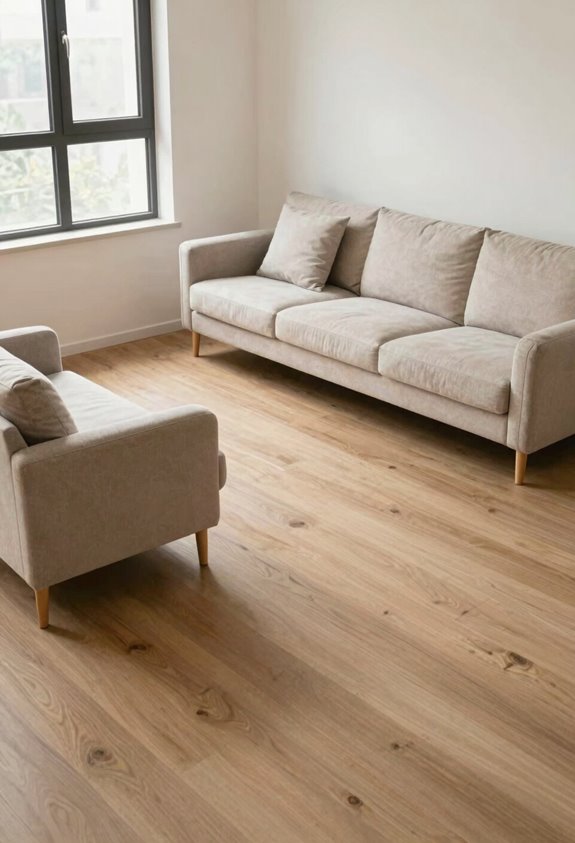
When you’re staring at your living room trying to figure out what actually fits, loveseats at 52–64 inches wide slip into tight corners and awkward spaces efficiently, while sofas spanning 70–96 inches require more prominent placement and anchor your whole room layout. With perhaps 10 feet of wall space, a full sofa can make your room feel constrained. Picking the right footprint changes how people move through your space and determines whether your furniture works with your room’s geometry or against it. A loveseat functions as a flexible piece that plays well with other furniture. A sofa, by contrast, commands primary visual attention, and you must plan your entire layout around it.

Stepless Adjustable Backrest: Convertible chair has Stepless adjustable backrest for different users and needs. It can be adjusted very simply by pushing the backrest. That’s why this chair is fit so many scenarios well, such as living room, dorm, apartment, bedroom, office

YOUR SIDE TABLE, ALWAYS WITHIN REACH: Enjoy added convenience with the built-in foldable side table, designed to keep your coffee, drinks, snacks, books, tablet, or laptop within easy reach. Fold it away in seconds whenever you need more seating space. This loveseat couch combines everyday comfort with smart functionality, making it ideal for apartments, living rooms, offices, bedrooms, and other small spaces

【SMALL MODERN LOVESEATS】The smooth and simple lines of the sofa combined with the black iron legs make the sofa modern and minimalist. This inexpensive small double sofa is the perfect choice for your temporary furniture change, available in four colors and four options for small apartment configurations, living room, office, dormitory, and bedroom furniture
Space Planning Essentials
How much room do you actually have to work with. This is where everything clicks into place. Before you fall in love with any seating configuration, measure your space. Grab that tape measure. I’m talking length, width, doorways, everything. Your room layout determines whether you’re team loveseat-plus-sofa or team sectional. In smaller spaces, a loveseat paired with a single chair gives you flexibility without choking your traffic flow. Larger rooms need a sectional as your anchor, defining the whole seating area without extra furniture cluttering things up. Mark those floor dimensions with tape if you need to visualize it. Ten minutes of space planning now prevents furniture regret later.
Layout Flexibility Considerations
Furniture dimensions matter far more than catalog appearances. Your layout options depend entirely on your room’s actual dimensions.
Consider these options:
- Loveseats (52–64 inches) fit snugly in tight spaces without blocking walkways
- Sofas (70–96 inches) dominate rooms and work well in larger areas
- Sofa-loveseat combos create balanced, welcoming arrangements without feeling cramped
- Two sofas need roomy spaces; otherwise, you’ve created a furniture fortress
- Traffic flow matters. Keep pathways clear so movement feels natural
Measure twice, buy once. A loveseat works best if you have limited square footage. A sofa provides the sprawl-out comfort most people want if you have adequate space.
Formal or Cozy? How Each Piece Sets the Vibe
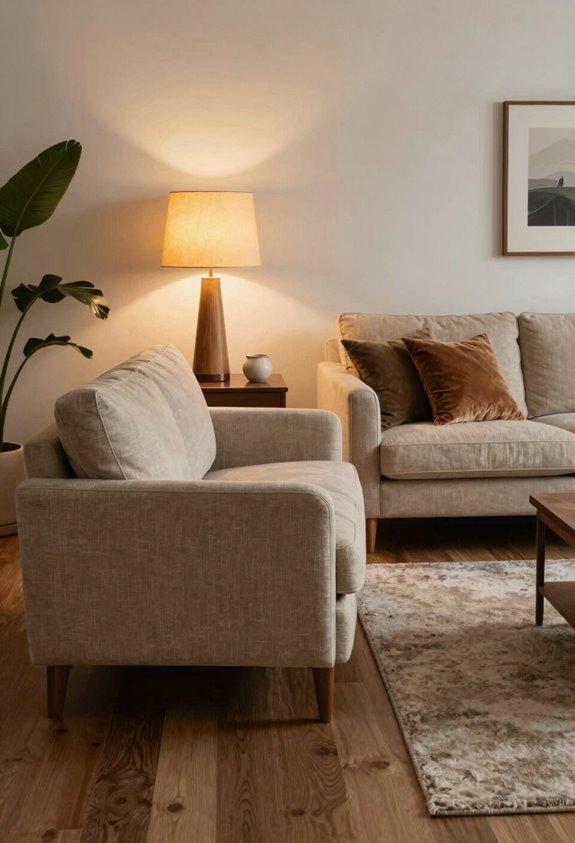
Your furniture’s gotta match the energy you’re going for. A sofa anchors your space with that balanced, polished vibe. Think sophisticated and put-together. It’s your room’s main character, setting a formal tone that conveys intentional design choices. A loveseat works differently. It fosters this casual, intimate feeling that creates cozy corner energy. I’m talking reading nook vibes, bedroom relaxation, the whole deal. The sofa commands attention with its larger scale, creating that centerpiece moment. Meanwhile, a loveseat softens your layout, layering in comfort without the formality. Pick the sofa when you want elegance anchoring everything. Choose the loveseat when you want people feeling welcomed into something warm and genuine, without pretense.

【Attractive Sofa Design】 The overall dimensions of this modern minimalist fabric sofa are 32.3"(D) x 71.25"(W) x 36.6"(H). Perfect for smaller spaces such as living rooms, offices and reception rooms.

【NO TOOLS, INSTANT CLOUD COMFORT】 Unbox and relax! This boneless couch requires zero assembly—just unfold, fluff, and enjoy. Designed as a cloud couch sectional, it expands to full plushness within 48 hours, delivering instant softness for couches for living room spaces.

CLOUD-LIKE COMFORT WITH DOUBLE-LAYER SUPPORT – Immerse yourself in the ultimate relaxation of this oversized deep-seat sofa. Constructed with double-layer high-resilience sponge, the ultra-thick cushions provide a soft, "sinking-in" feeling while maintaining lasting support. Wrapped in breathable Chenille fabric, the ergonomic backrests and matching pillows envelop your body to offer perfect lumbar relief. Built for stability, its resilient structure withstands active daily use without sagging or shifting.
Loveseat vs. Sofa Cost: What’s the Price Difference?
When you’re shopping for seating, price becomes an important consideration. Here’s the breakdown between loveseat and sofa costs:
- Typical price difference: Sofas cost around $200 more than loveseats
- Size matters: Larger footprints mean higher sofa price tags
- Material quality: Premium fabrics impact cost more than the sofa vs. loveseat category itself
- Design details: Curved shapes, deep seating, and built-in features drive prices up
- Long-term value: Consider bundling pieces. A sofa-plus-loveseat setup beats buying multiple smaller items
Budget matters. The loveseat price seems more affordable initially, but consider your actual needs. You might spend less overall choosing one quality sofa than piecing together several smaller pieces. The right choice depends on your space and financial situation.

3-in-1 Convertible Design for Compact Spaces: Easily transforms from a loveseat sofa to a relaxed lounger, and finally into a guest bed. Perfect for maximizing space in apartments, dorms, studios, or home offices. Lightweight (<95 lbs) enough to move around effortlessly

Multi-Functional Futon Sofa Bed – Converts easily from a sofa to a bed, providing a versatile seating and sleeping option for living rooms, apartments, or guest rooms.

Adjustable Comfort: This foldable floor chair features a durable metal frame with a backrest adjustable from 90° to 180° and five locking positions. Perfect for gaming, lounging, or as a lazy sofa bed, it adapts effortlessly to your comfort needs.
Visual Impact: Why Sofas Anchor a Room and Loveseats Accent It
Because furniture placement sets the vibe of your entire room, choosing between a sofa and loveseat isn’t just about fitting bodies. It’s about creating the whole visual story. A sofa commands attention. At 75–90 inches wide, it becomes your focal seating, the main event that anchors everything around it. Think of it like the lead singer on stage.
A loveseat is your supporting player. At 52–64 inches, it works as an accent piece, creating cozy corners without stealing the spotlight. When you place a sofa, you’re saying this is important. You’re building a room around it by adding rugs, coffee tables, and extra chairs.
Your loveseat whispers instead. It fits snugly into bays or reading nooks, enhancing symmetry without dominating space. You’re creating intimate clusters rather than commanding the room.
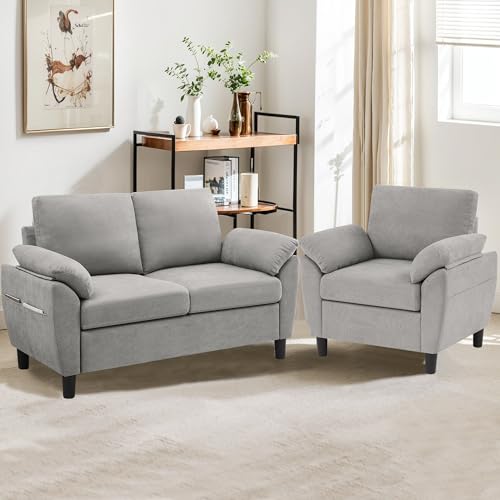
【Built for Lasting Comfort】This 2 pieces loveseat and chair set features a sturdy hardwood frame, durable spring wrap and high-density foam padding for superior support. Soft cushioned armrests on both sides let you lean comfortably while reading or lounging. Despite its compact size, it offers full comfort without taking up extra space.

【Support & Comfy】 YOUDENOVA couches for living room comes with deep seat cushion made of 3 layers of high resilience foam for soft and full support. Never worry about sinking in again

【DIY Combination】This modular sectional sofa is not a fixed combination, it allows multiple combination modes for different actual occasions and easily switch between chair, love seat, chaise lounge and sofa. You can move and assemble to any module you like. This is the charm of the modular sectional sofa!
How to Decide: Loveseat, Sofa, or Both?
So, how do you actually pick between these two? The choice feels bigger than it should!
- Measure your space first. Grab a tape measure. Is it 52–64 inches or more?
- Picture your lifestyle. Do you host groups constantly, or prefer cozy nights with one person?
- Consider layout balance. A loveseat pairs beautifully with a sofa to create flexible seating without overcrowding.
- Think about traffic flow. Where do people naturally walk through your room?
- Test the focal point. Does your space need one anchor, or multiple conversation areas?
You don’t always have to choose. Combining both pieces creates incredible layout balance. Pairing them gives you the best of everything: serious lounging power and adaptable comfort.

SOFT COMFORT DESIGN: This loveseat features high density foam cushions and breathable cotton fabric for a cozy feel. Suitable as a small couch for bedroom or reading nook, it offers soft support for everyday lounging

【52" Loveseat Sofa for Small Spaces】 Specifically designed for compact living, this 50-inch two-seater couch is the perfect size for apartments, bedrooms, dormitories, offices, attics, and lounges. Its cozy dimensions and elegant design make it an ideal seating choice for young women, children, or anyone looking to maximize their room without sacrificing comfort.
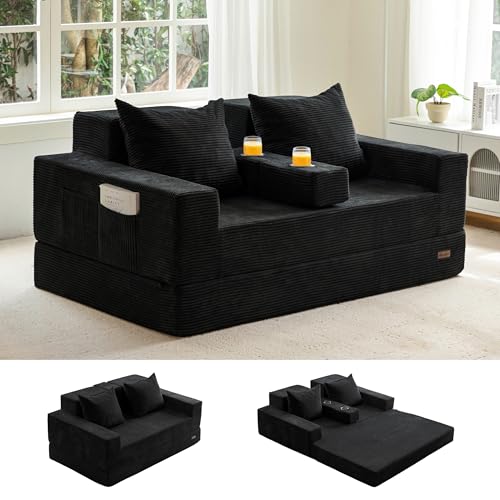
4 in 1 Foldable Sofa Bed: This versatile sofa couch easily folds out into a floor sofa bed, giving you flexible seating and resting options. It can serve as sofa, sofa with cup holders, sofa bed, and sofa bed with cup holders. Perfect for small spaces, apartments, dorms, or guest rooms.
Pairing Loveseats and Sofas With Complementary Furniture
| Furniture Piece | Width | Best For | Placement |
|---|---|---|---|
| Loveseat | 52–64″ | Two-person seating | Near focal points |
| Sofa | 70–96″ | Three-person seating | Face or alongside |
| Coffee Table | Varies | Central anchor | Between both pieces |
| Side Chair | Compact | Extra flexibility | Corner zones |
| Ottoman | 24–36″ | Footrest/extra seating | Sofa-adjacent |
This combination creates functional, unified layouts in mid-sized rooms that accommodate multiple seating arrangements.
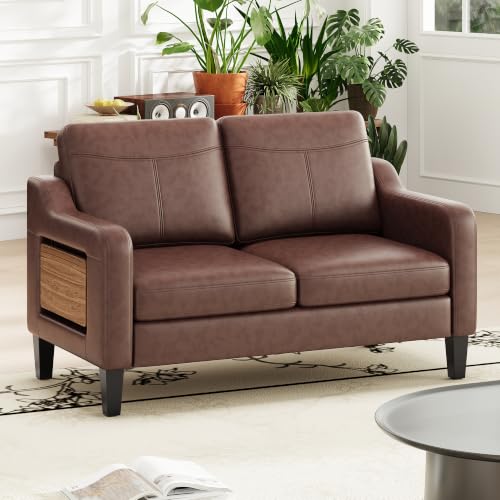
YOUR SIDE TABLE, ALWAYS WITHIN REACH: Enjoy added convenience with the built-in foldable side table, designed to keep your coffee, drinks, snacks, books, tablet, or laptop within easy reach. Fold it away in seconds whenever you need more seating space. This loveseat couch combines everyday comfort with smart functionality, making it ideal for apartments, living rooms, offices, bedrooms, and other small spaces

【6.5 Inch Comfy Seat Cushion and High Backrest】This small loveseat features a soft, high-density sponge that offers an exceptional seating experience. The 20 inch tufted back cushion provides excellent support for your back and waist. Whether you are watching television, reading, or engaging in conversation with family, this small couch ensures the ultimate comfort experience.

Premium Faux Leather & Compact Design: This small couch for small spaces is upholstered in durable black faux leather, offering a sleek and modern look. The loveseat design fits perfectly in bedrooms, apartments, or offices, making it ideal for tight spaces.