The frother costs less than most coffee shop drinks and fits in a drawer, while the ice cream maker needs a night in the freezer before you can use it.
A garlic crusher or electric spice grinder pays off if you cook with fresh aromatics most nights, but an air fryer or stick blender covers more ground when counter space is tight.
1. Multi-blade Vegetable Chopper
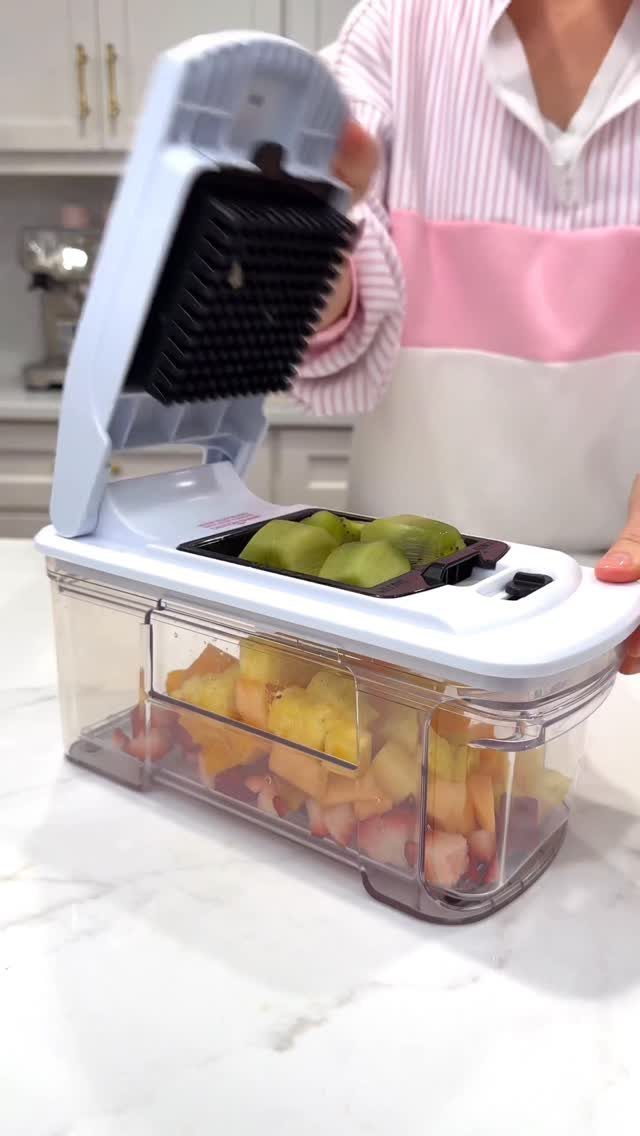
Press the handle down and the blade grid cuts what you put underneath into uniform cubes in one motion. The clear catch container lets you see how much you have and doubles as storage if you prep ahead.
Most models have blade sets for different sizes, usually 1/4-inch and 1/2-inch, so you can match the dice to what you’re making.
Cleanup takes longer than the chopping itself because you have to get between each blade, so this suits someone who dices often enough that the speed trade-off makes sense.
2. Microwave Popcorn Popper
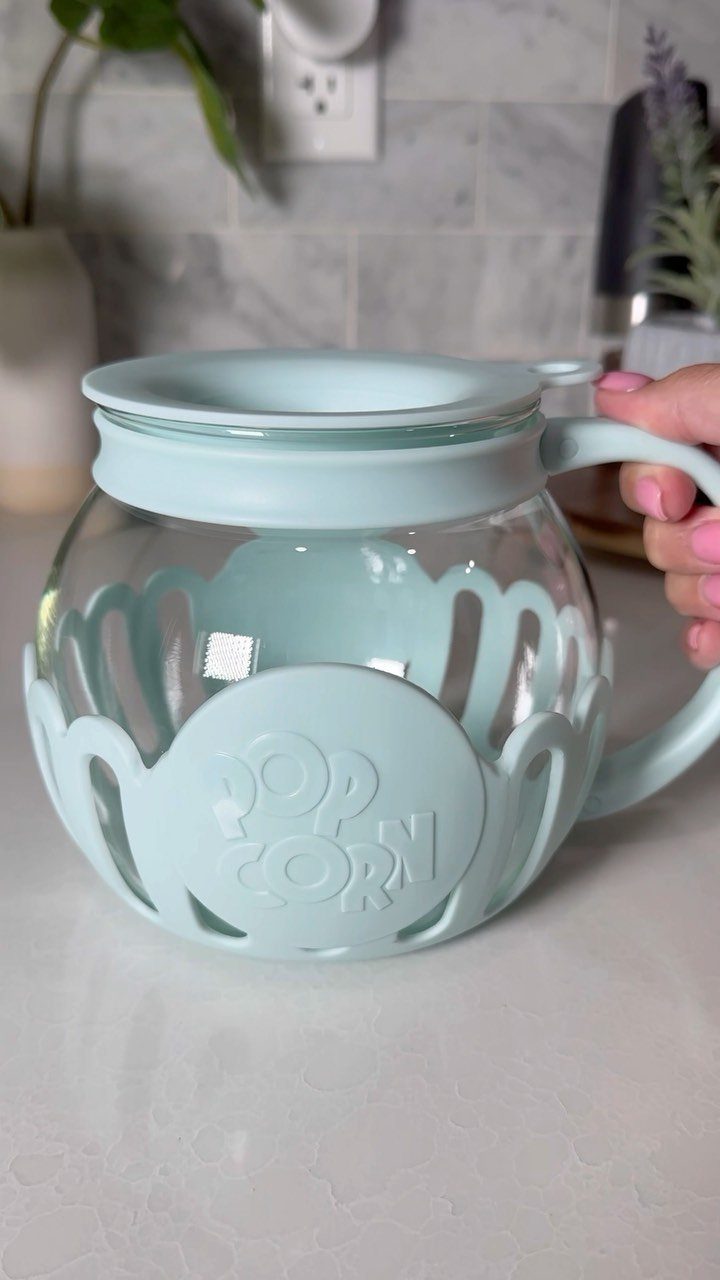
You pour kernels into the bowl, set the lid, and microwave until the popping slows. No oil needed, no bag waste, and the silicone handle stays cool enough to lift out right away.
The glass center lets you watch the pop, and most bowls collapse or nest flat for drawer storage.
If you go through a bag of microwave popcorn every week or two, this pays for itself in a couple months and takes up less space than the boxes.
3. Handheld Milk Frother
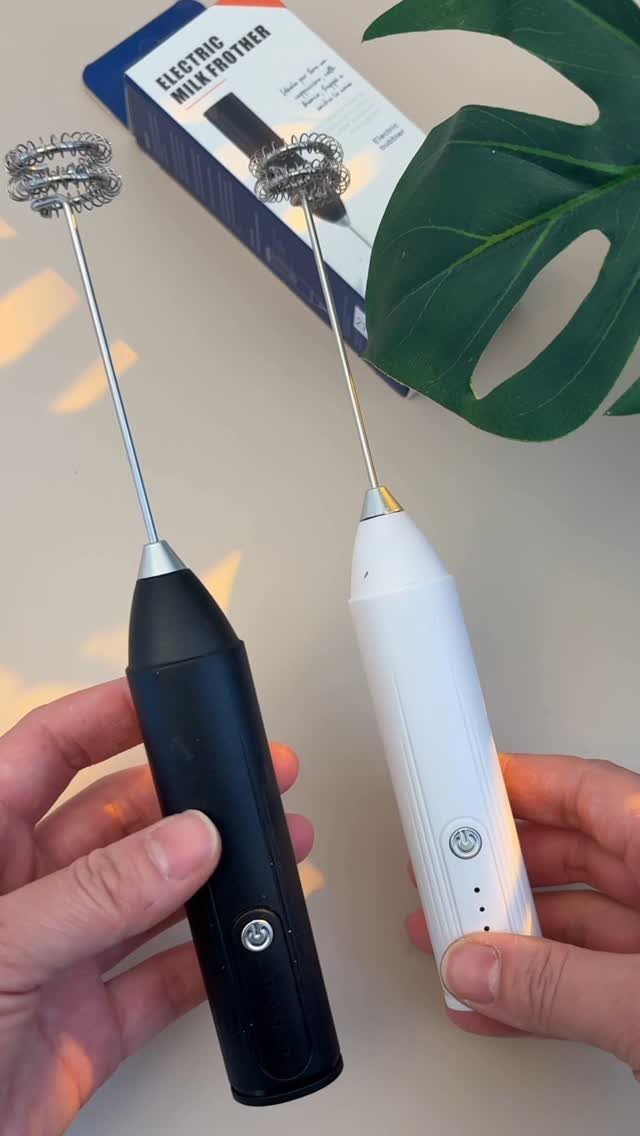
Battery-powered and about the size of a pen, this whisk spins fast enough to turn milk into foam in under a minute. Hold the tip just below the surface and move it in small circles until the texture thickens.
Lattes and cappuccinos are the obvious use, but it also works for mixing protein powder, whisking eggs, or blending matcha without lumps. Cleaning is a rinse under the tap while the motor runs for a few seconds.
If you make a latte at home more than once a week, this beats a manual whisk or a full espresso machine setup for speed and counter space.
4. Garlic Crusher
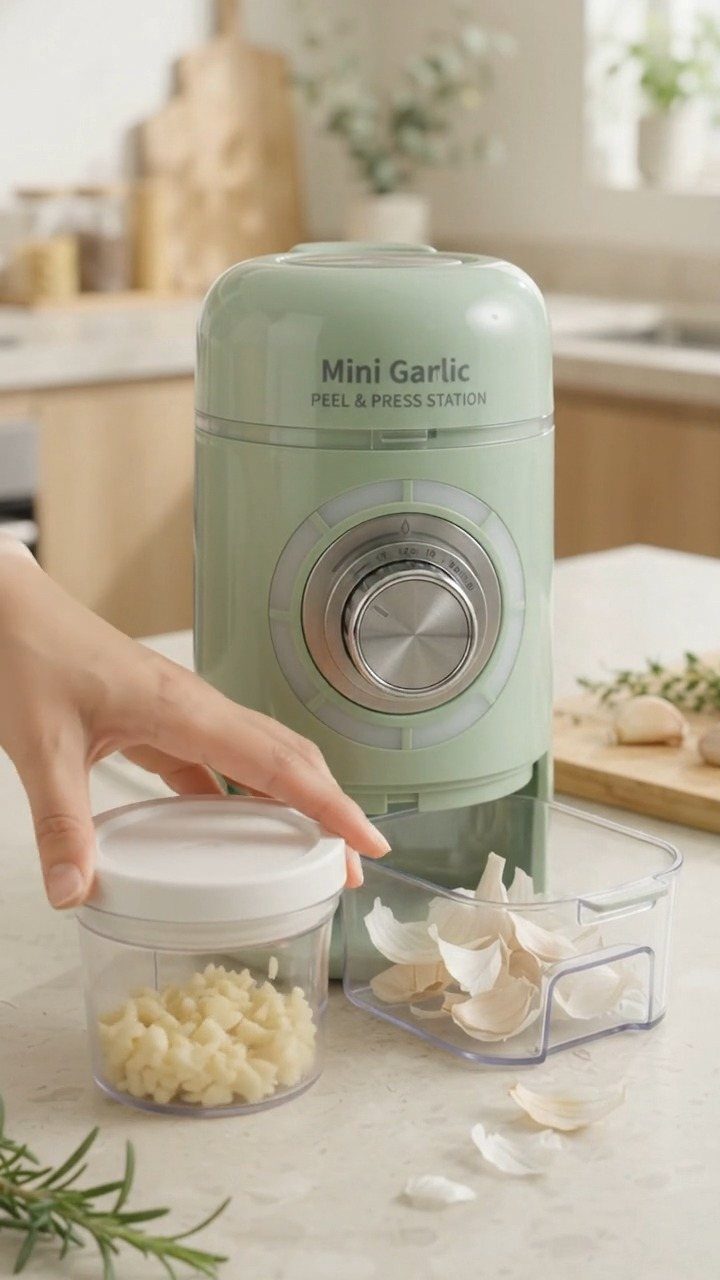
This station peels and presses garlic without a knife or cutting board. Drop a bulb in, twist the lid, and the cloves separate and shed their skins.
The design uses silicone friction to peel and an airflow system to push the skins aside, then dispenses whole, sliced, or pressed depending on which setting you turn to.
If you cook with fresh garlic more than a couple times a week, it saves the sticky fingers and lingering smell that come with peeling by hand.
Another gadget to store and clean, so this suits someone who reaches for garlic often enough that the convenience outweighs the drawer space.
5. Electric Spice Grinder

A one-handed grinder that runs on batteries, so you twist nothing and apply no pressure.
Hold it over the pan or plate, press the button, and freshly ground spice comes out. The pods swap out for salt, pepper, or other whole spices.
Cleanup is easier than a manual mill because you’re not unscrewing a tight chamber, and the grind stays consistent without wrist effort.
If you season while you cook rather than at the table, this frees up a hand and speeds up the process enough to notice.
6. Mandoline Slicer
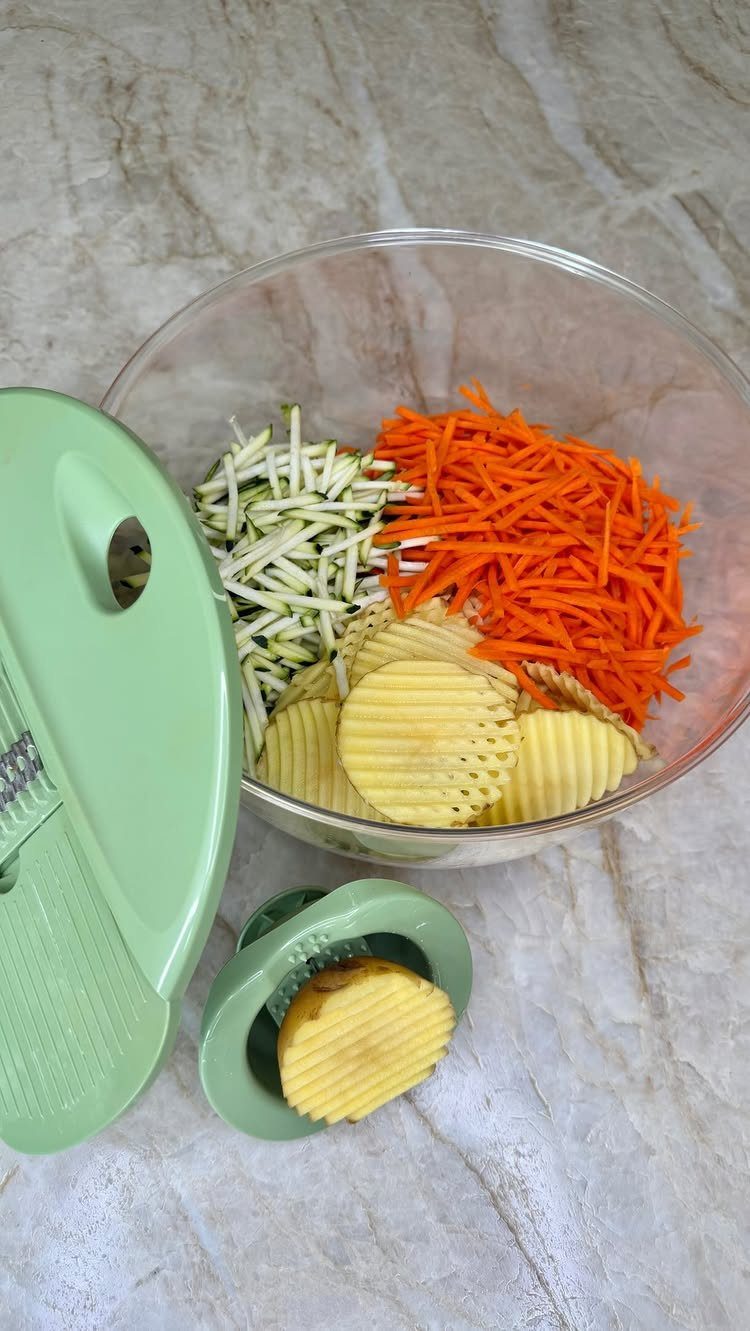
Slide the vegetable across the blade and you get slices that come out the same thickness every time, much faster than knife work.
Most models include blade inserts for julienne, waffle cuts, or varying thicknesses, so one tool covers several shapes.
The guard that holds the vegetable protects your fingers but leaves a small piece at the end that you can’t slice safely, so there’s always a bit of waste.
If you make salads, gratins, or stir-fries that need uniform cuts, this delivers speed and consistency that a knife can’t match. Just keep your hand clear of the blade and use the guard every time.
7. Air Fryer

Circulating hot air crisps food without submerging it in oil, so you get texture closer to frying with less fat and faster preheat than a full oven. Most models fit on a counter and hold enough for 2 to 4 servings.
Reheating pizza, fries, or anything breaded works better here than in a microwave because the outside stays crisp instead of going soft.
If you cook for one or two and want speed without turning on the oven, this covers more ground than a toaster.
8. Stick Blender

Lower the wand into the pot and press the button to blend soup, sauce, or anything liquid without transferring it to a separate blender jar.
The narrow head fits into smaller vessels and reaches the bottom of deep pots where a countertop blender would need you to work in batches.
Cleanup is faster because you rinse one piece instead of disassembling a pitcher and blade assembly. If you make pureed soup more than once a month, this saves counter space and the extra step of cooling food before blending.
9. Digital Thermometer
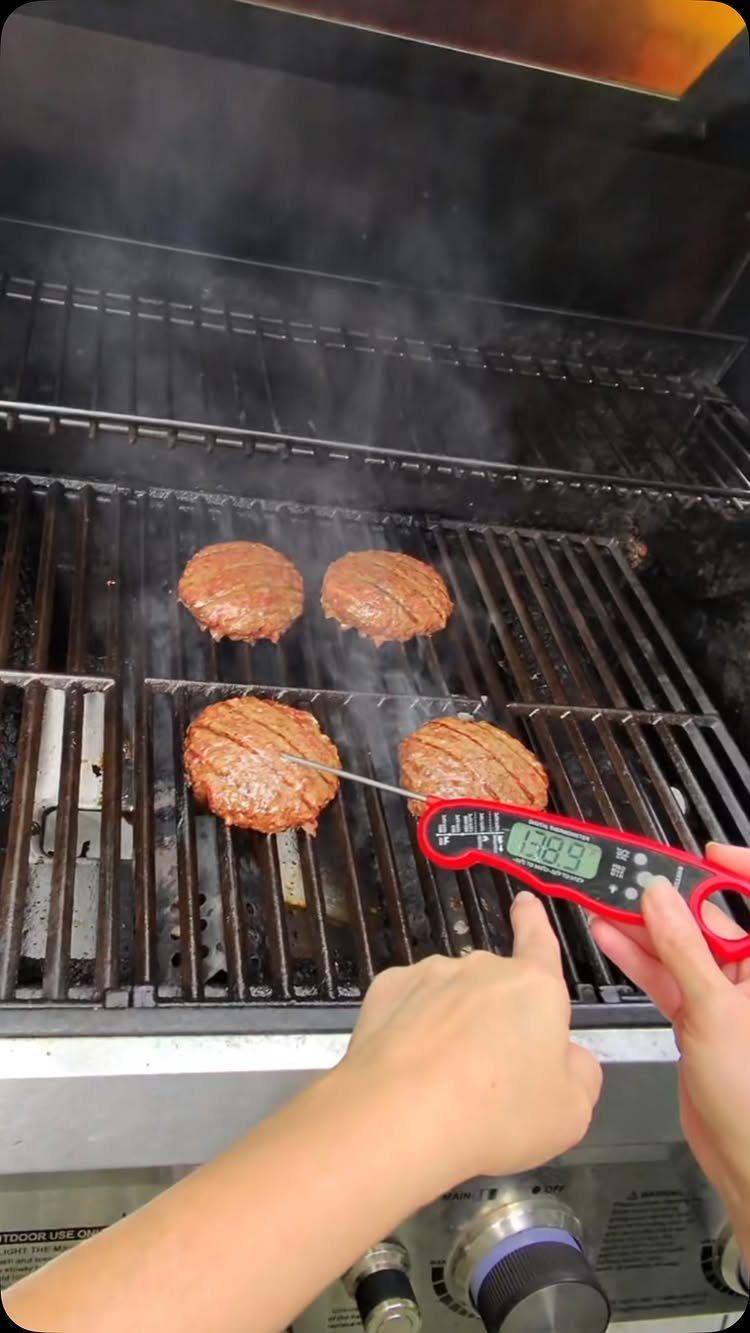
Insert the probe into the thickest part of the meat and the screen shows the internal temperature in seconds, so you know when it’s done without cutting into it and losing juice.
Most models cover bread dough, roasting, and deep frying.
Guessing doneness by time or touch works until it doesn’t, and one undercooked chicken or overcooked steak makes the case for a thermometer.
If you grill or roast meat weekly, this removes the guesswork and costs less than the food you would otherwise overcook to be safe.
10. Food Mill

Turn the crank and the paddle forces cooked fruit or vegetables through the perforated disk while holding back seeds, skins, and stems. The texture stays thicker than what a blender gives because you’re pressing, not liquefying.
Tomato sauce, applesauce, and mashed potatoes all benefit from the control this gives over texture. If you preserve or cook with whole produce often enough that peeling and seeding slows you down, this handles both in one pass.
Cleaning takes a few minutes because you have to scrub the disk, so this suits someone processing volume.
11. Coffee Machine
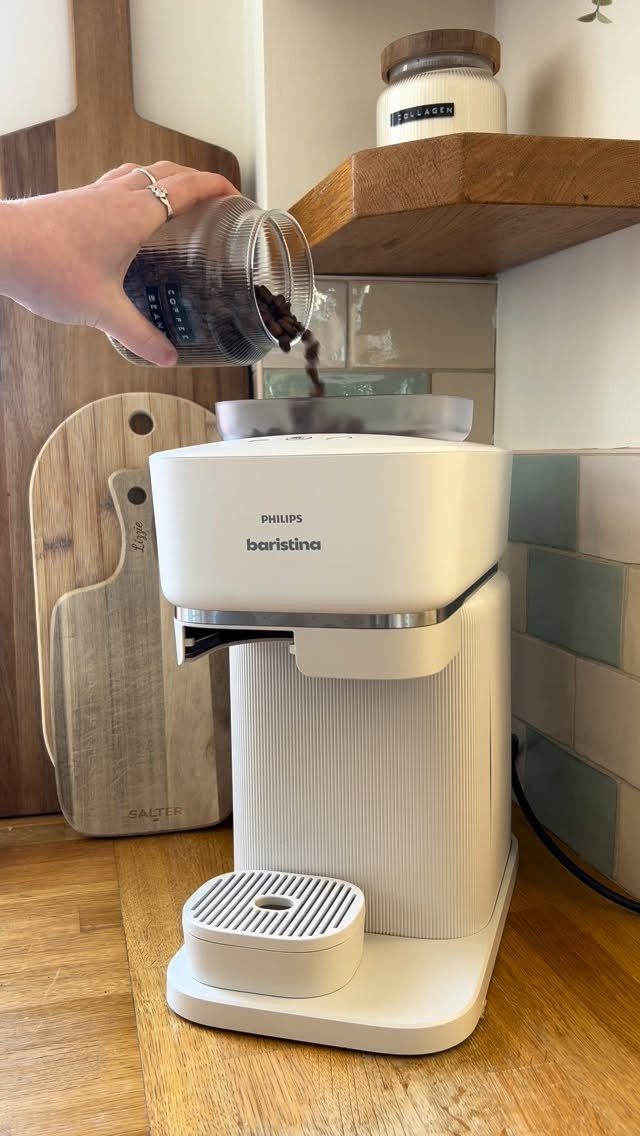
Fill the hopper with whole beans, press a button, and the machine grinds and brews in one sequence, so the coffee is as fresh as your timing allows.
Most models let you adjust grind size and strength, and some include a milk frother for lattes.
Flavor drops off within minutes of grinding, so brewing immediately after gives you more of what the beans have.
If you drink coffee daily and taste the difference between fresh-ground and pre-ground, this removes the separate grinder step and counter space it takes.
12. Mortar and Pestle

Press and twist the pestle against the bowl to crush spices, garlic, or herbs into paste or powder, with as much or as little texture as you want.
The weight and rough interior surface do most of the work, so this takes less effort than it looks.
Stone mortars hold up better than wood and don’t absorb flavors, but they’re heavier to move and store.
If you make curry paste, pesto, or guacamole from scratch, this gives you more control over texture than a food processor, which can turn everything to mush before you notice.
13. Oil Dispenser Set
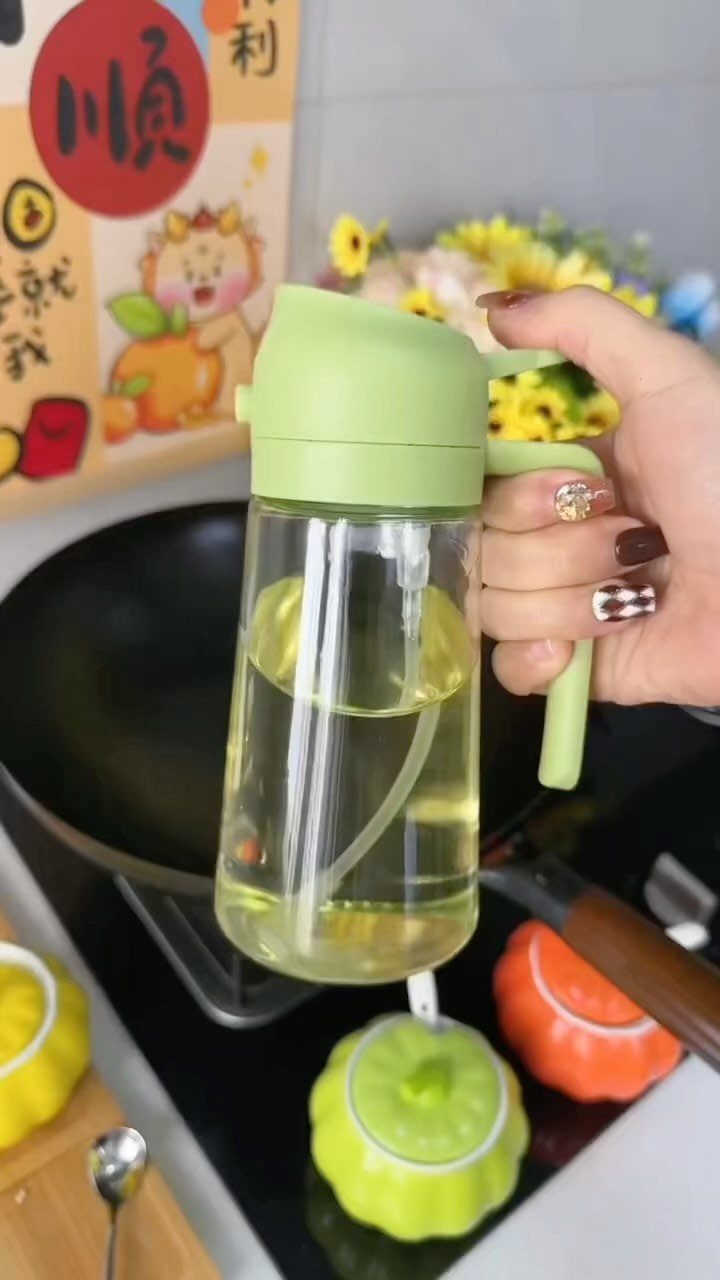
The bottle holds olive or vegetable oil with a pour spout that measures as you tip, while the mister sprays a fine coat without aerosol propellant.
Fill the spray bottle, pump the top to build pressure, and press the trigger to cover a pan or salad in a thin, even layer.
This cuts down on how much oil you use because the mist distributes farther than a pour, and the clear bottle lets you see what’s left.
If you spray pans daily or dress salads without drowning them, this gives you portion control and less bottle mess than tipping straight from the original container.
14. Ice Cream Maker

Pour the base into the bowl, freeze it, then blend it in the machine until it reaches soft-serve texture.
The paddle churns as it scrapes the sides, so you get smooth ice cream, sorbet, or frozen yogurt without ice crystals forming.
Most models let you stop early for a thicker scoop or run longer for a softer serve, and you control what goes in, so dairy, sugar, and mix-ins are up to you.
If you want homemade frozen dessert more than a few times a summer, this takes less effort than the old rock-salt bucket method and stores on a shelf between uses.
Frequently Asked Questions
What is the newest trend in kitchen appliances?
Single-task tools that automate one repetitive step are trending, especially prep gadgets like electric garlic crushers and battery-powered spice grinders that remove friction from tasks you already do often.
The appeal is speed and less cleanup rather than cooking something new.
What are the 10 most important kitchen tools?
A digital thermometer, a stick blender, and a mandoline slicer cover the tasks that are hard to do well without them: knowing when meat is done, pureeing soup in the pot, and cutting uniform slices fast.
After those, what matters most depends on what you cook, but a sharp knife and a cutting board still do more work than any gadget.
Are viral kitchen gadgets a waste of money?
Some are and some are not. The ones that solve a task you already do several times a week, like frothing milk or chopping vegetables, tend to stay in rotation.
The ones that mainly look satisfying in a video get used once and then take up drawer space.
How can you tell if a trending product is any good?
Read reviews written months after the product launched, not just the first week.
Look for comments about cleaning and whether people still use it, because awkward cleanup is what sends most gadgets to the back of the drawer. If no one mentions still using it after half a year, that tells you something.
Why do so many popular gadgets end up unused?
Cleaning them takes longer than the task they save, or a knife and cutting board get the job done just as fast.
Most gadgets that get abandoned are well made, but they solve a problem that did not exist or add more steps than they remove.