
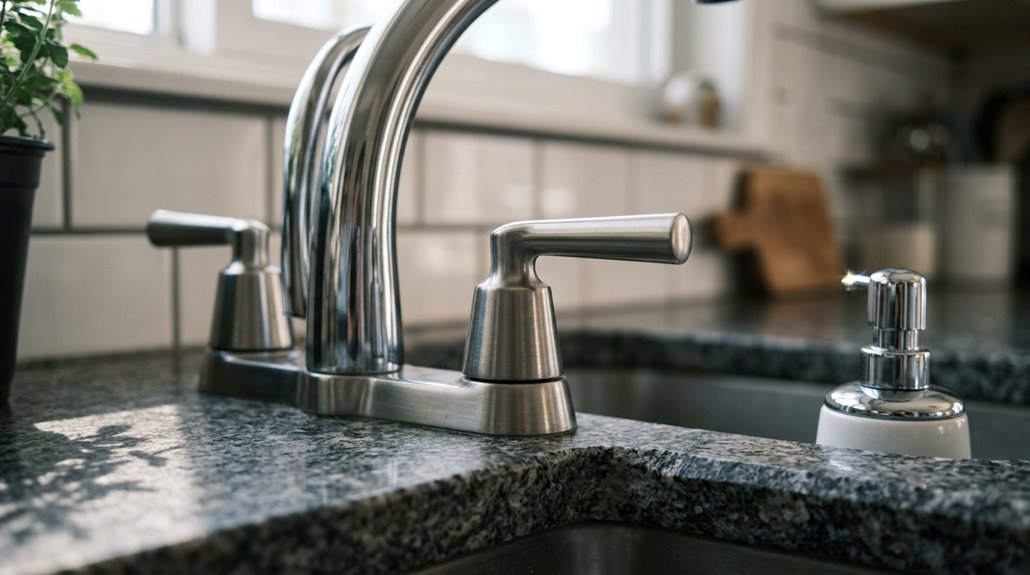
That small cylinder next to your sink is an air gap, a critical safety device that stops contaminated wastewater from siphoning back into your clean dishes.
Your dishwasher pumps dirty water up into this tiny cylinder, then gravity pulls it down through a separate drain line to your disposal.
It’s like a reverse fountain protecting your dinnerware.
Some areas require them by code, while others offer alternatives.
Check your local plumbing codes to determine which option applies to your setup.
What Is a Dishwasher Air Gap?
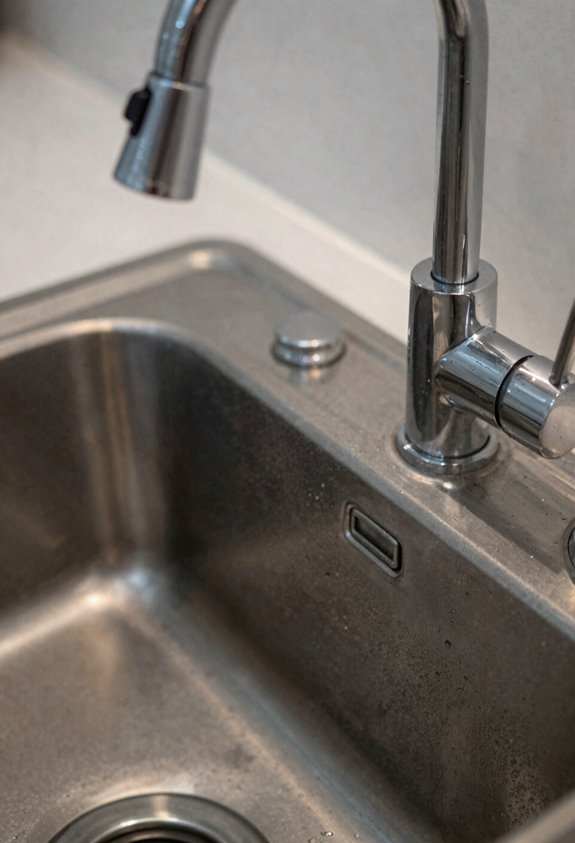
Ever wonder what that weird little cylinder sitting next to your kitchen sink actually does. It’s called an air gap, and it’s a critical safety device. Your dishwasher drain needs protection from contaminated water flowing backward. That little device creates a physical air break between your dishwasher drain and sink drain, similar to a barrier keeping contaminated water out. The dishwasher drain hose feeds wastewater into the air gap, then a separate hose carries it to your disposal. This two-path system prevents nasty backflow. The key is that the inlet must sit higher than the outlet, so siphoning cannot happen. It’s not fancy, but it’s essential protection that prevents contaminated water from entering your clean dishes.

CLEAN HOME PRODUCT prevents wastewater from backing up into your dishwasher, eliminating the risk of contaminating your clean dishes – OVERALL HEIGHT with plastic body: 9 in. – CAP HEIGHT: 2 1/2 in. – CAP DIAMETER: 1 7/8 in. – Pre-Drilled Hole Size Requirement: 1 1/2 in.

For use with dishwasher air gaps to vent air or water from your dishwasher
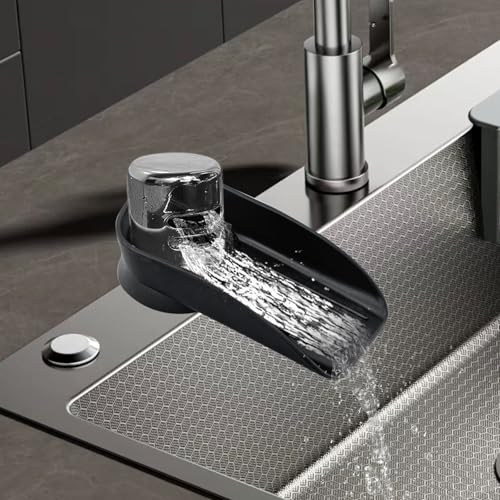
Product Information: Product included 1 Pack Black Dishwasher Air Gap Cover Water Ramp Silicone Splash Guard, Please refer to the pictures for product specific size information.
How Does an Air Gap Prevent Backflow?
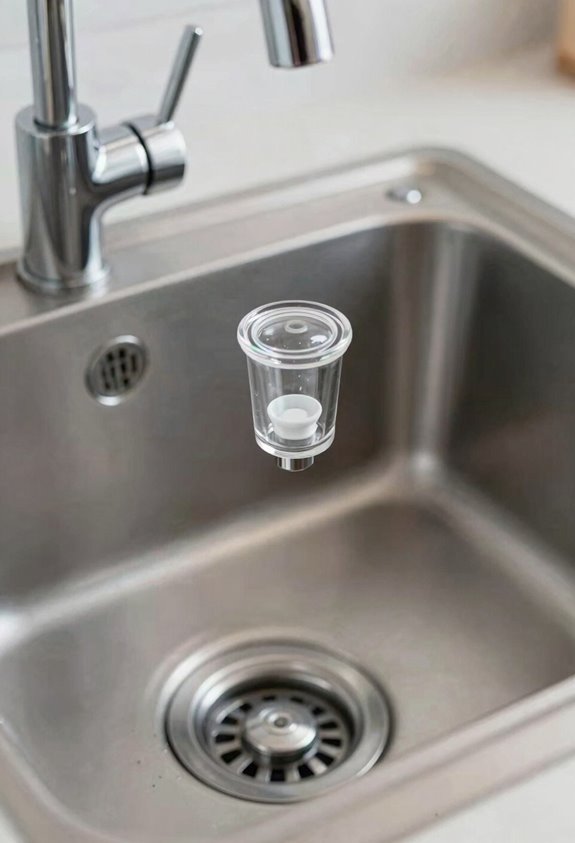
The air gap functions as a physical barrier between two hoses, preventing contaminated water from flowing backward into your dishwasher. This cylindrical device creates a separation that stops the siphoning action that would otherwise pull wastewater back into clean dishes. When your dishwasher drains, water drops down into the sink’s drain system while air escapes freely through the gap. This free flow of air prevents the pressure dynamics that would create a siphon and allow contaminated water to return.

Efficient Backflow Prevention: Designed to prevent wastewater from backing up into your dishwasher, this air gap kit effectively keep your dishes clean, ensuring a hygienic kitchen environment.
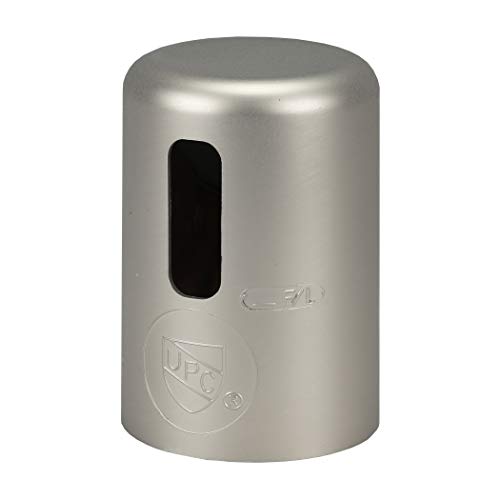
ENSURES WATER FLOW - Ensures that water flows in the right direction during the dishwasher cycle
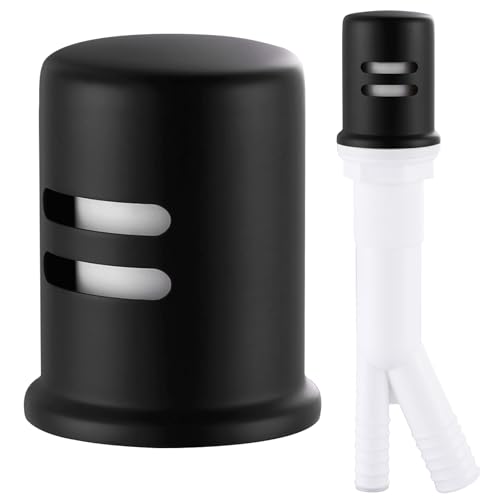
Efficient Backflow Prevention: Designed to prevent wastewater from backing up into your dishwasher, this air gap kit effectively keep your dishes clean, ensuring a hygienic kitchen environment.
Physical Air Separation Method
How’s that cylindrical cap sitting next to your kitchen faucet actually doing anything. Water flows up through the hose, hits that air gap device, then drops down into a separate drain line. That gap prevents backflow. Without it, dirty dishwater could siphon backward into your clean water supply. Gravity pulls water downward naturally. The air gap creates a physical space between your dishwasher drain and the sink drain that protects your drinking water from contamination. That tiny space prevents germs and gunk from ever reaching your faucet’s clean water supply.
Preventing Contaminated Water Backflow
The air gap device is your water supply’s protection against backflow. That small gap creates a physical barrier preventing dirty dishwater from flowing backward into your clean drinking water. It works because the dishwasher’s drain hose sits higher than the sink drain opening. Gravity prevents water from reversing direction. When water attempts to back up, it encounters the air gap and stops. Without an air gap, contaminated water can flow back into your pipes.
When the air gap becomes clogged, water backs up and spills. Cleaning it out resolves the problem. Air gaps provide essential backflow prevention, protecting your household from contamination.
Gravity And Pressure Dynamics
Your air gap prevents dirty dishwater from flooding back into your clean drinking water through gravity and design. Your air gap sits higher than your sink’s drainage system. When water tries backing up, gravity pulls it down instead. The vertical loop under your counter creates a U-shaped trap that prevents siphoning from pulling contaminated water backward.
Water pressure from your dishwasher pushes water through the system. Once that pressure stops, gravity takes over completely. No pressure means no flow back into your clean water supply. This is why your air gap works as a reliable backflow prevention device.
How Does Water Move Through Your Air Gap?
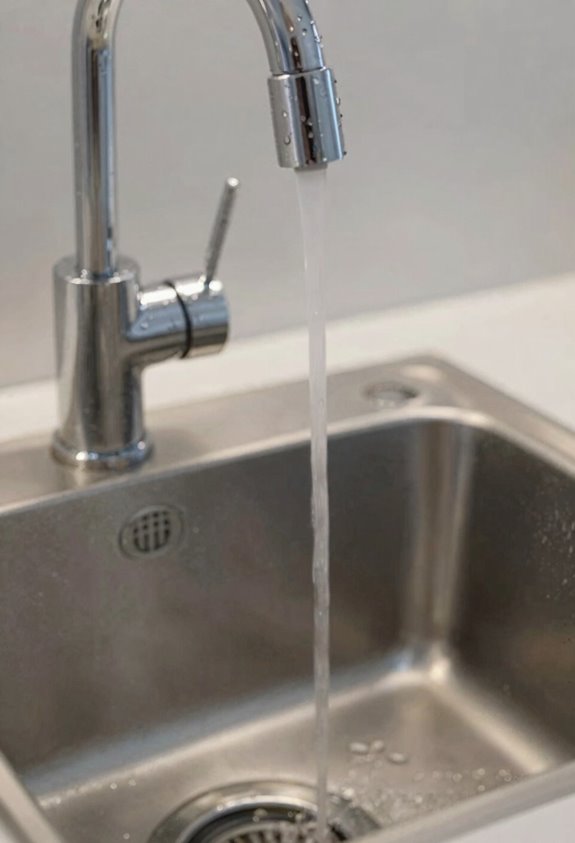
Your air gap relies on two forces to keep things moving: gravity pulling waste water down, and pressure from your dishwasher pushing it up. The water shoots up from your dishwasher into the air gap chamber, then gravity pulls it back down and out through the drain hose to your garbage disposal or septic system. It functions like a tiny water fountain operating in reverse. When working properly, waste moves in one direction only, preventing backflow from contaminating clean dishes.

UNIVERSAL AIR CAP KIT : Air gap cap with flange and plastic body included fits most of dishwashers , prevents wastewater from backing up into your dishwasher, eliminating the risk of contaminating your clean dishes .

【Innovative Design】Prevents water overflow onto counters with a ramp that drains excess water back into the sink.

【Powerful Backflow Prevention】This dishwasher air gap cover effectively prevents dirty water from flowing back into the dishwasher and avoids cross-contamination, ensuring a clean and dry kitchen environment.
Water Flow Mechanics
How’s water actually getting from your dishwasher down into that drain without backing up all over your counter? Your air gap performs a critical function in preventing this. Water flows up from your dishwasher, enters that small cylinder sitting next to your faucet, then gravity takes over. It pulls everything downward through the drain hose to your garbage disposal or main drain. No backflow, no contamination; just physics in action.
| Stage | What Happens |
|---|---|
| 1 | Dishwasher pumps wastewater upward |
| 2 | Water enters air gap cylinder |
| 3 | Gravity pulls water downward |
| 4 | Water exits through drain hose |
| 5 | Waste reaches disposal or drain |
That separation prevents contamination from backing up into your clean dishes.
Gravity And Pressure
Because water naturally follows the path of least resistance, this principle makes your air gap work effectively. Gravity provides the driving force for drainage. When your dishwasher drains, water flows downward through the hose and into your air gap, relying entirely on gravity to move it through. The air gap outlet sits higher than your sink drain, which keeps the crucial air barrier intact and prevents backflow from entering your dishwasher. No pumps or complex mechanics are required; gravity alone accomplishes this function. When everything operates correctly, water drops through, air remains in place, and contamination is prevented.
Why Your Air Gap Is Leaking or Gurgling?
When water starts bubbling up from that little cylindrical cap next to your sink like a tiny fountain, something’s definitely wrong. Your air gap is blocked. Clogs jam up the works, vent blockages trap air pressure, or your drainage line downstream gets blocked. It’s like trying to drink a smoothie through a pinched straw. Water has to go somewhere, so it backs up and spits everywhere.
Remove that cap and clean it out. Check the vent tube for debris. Make sure your dishwasher hose isn’t kinked like a twisted pretzel. Still gurgling after that. Call a professional.
This isn’t just annoying. Contamination risks are real. Don’t ignore drainage issues.

❤ SIMPLE INSTALLATION: The ET116-001 is designed for connecting dishwasher and reverse osmosis (RO) filter to a garbage disposal line. Its dishwasher connector accommodates various inside diameter (ID) dishwasher hoses (1/2, 5/8, 3/4, or 7/8-inch). Its reverse osmosis 1/4-inch push-in connector fits 1/4-inch RO poly tubing. A hose coupler and clamps are provided for a secure connection to the garbage disposal inlet. The ET116-001 installation enables plumbing pipes to stay intact.

Dishwasher Air Gap, Plastic Body Included

DRAIN LINE ADAPTER KIT: The Watts Premier Drain Line Adapter (DLA-D) offers a code-listed (IAPMO / UPC and ASTM F 409) alternative to traditional drain saddles, reducing noise and preventing plugging. Keep your garbage disposal free and clear with this adapter!
Do You Really Need an Air Gap? It Depends on Your Location
So the thing is, just because your air gap’s acting like a broken fountain doesn’t mean you’re required to have one. Your location totally matters. Some areas demand UPC-compliant air gaps, while others let you use a high loop instead. Codes vary by jurisdiction, even between municipalities. An air gap physically separates your dishwasher drain from your sink drain, preventing backflow and contamination. A high loop is the alternative that reduces siphoning risk, but it’s not quite as effective. Before you install or remodel anything, check your local plumbing codes or chat with a licensed plumber. Verify your requirements first rather than guessing.

Efficient Backflow Prevention: Designed to prevent wastewater from backing up into your dishwasher, this air gap kit effectively keep your dishes clean, ensuring a hygienic kitchen environment.

UNIVERSAL ASTANDARD SIZE : Standard air gap cap only fits most of brand’s air gaps bodies .

Wastewater Protection: Prevents contamination of clean dishes by stopping wastewater backup
High Loops as an Alternative to Air Gaps
Ever heard of a high loop. It’s basically when you route your dishwasher drain hose as high as possible under the countertop to stop dirty water from sneaking back in. Gravity does all the heavy lifting, and no fancy equipment is required. Unlike an air gap, which sits right there on your counter looking official, a high loop is invisible. You’re just using elevation as your defense line.
A high loop generally offers less protection than an actual air gap. Some areas won’t even accept it code-wise. If your location allows it and you’re on a budget, it’s a viable option. It serves as a solid middle-ground solution when air gaps aren’t mandatory.

Efficient Backflow Prevention: Designed to prevent wastewater from backing up into your dishwasher, this air gap kit effectively keep your dishes clean, ensuring a hygienic kitchen environment.

UNIVERSAL ASTANDARD SIZE : Standard air gap cap only fits most of brand’s air gaps bodies .

Creates kitchen and bathroom fixtures featuring modern, durable designs