Mid-century frames and farmhouse tables anchor opposite ends of vintage-inspired furniture, with painted sideboards and ornate vanities filling the spectrum between them.
I pick based on room size and what the space can carry: farmhouse pieces suit open areas, while mid-century frames and painted sideboards fit tighter rooms where you need to see floor.
A single ornate vanity or painted sideboard can anchor a bedroom or entryway alone, but a vintage-style living room needs pieces that share a color range and similar scale instead of matching one decade exactly.
1. Mid-century Modern

Tapered legs and kidney-shaped tables anchor this look, which pulls from 1950s and 1960s designs without weighing down a room. Warm walnut or teak pieces sit well alongside upholstered seating in jewel tones or muted blues.
I look for sofas and chairs with low profiles and armrests that taper toward the back.
The silhouette alone gives most of the effect, so you can mix a vintage credenza with a newer sofa and still hold the look together.
Slim legs keep floor space visible, which helps in smaller rooms where heavy skirts or thick bases would close things in.
2. Farmhouse Furniture

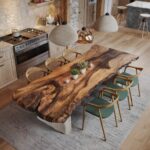
Heavy wood tables, spindle-back chairs, and plank benches give farmhouse furniture its grounded, country feel. Most pieces show their joinery and wear their age openly rather than hiding imperfections under finish.
Reclaimed wood and distressed paint fit naturally here. I stick with neutral tones or soft reds and greens that read as practical rather than decorative.
Apron-front sinks, open shelving, and wrought iron lighting complete the look in kitchens. The furniture itself tends to be solid and wide, so this style suits larger spaces better than compact apartments.
3. Vintage Furniture

Pieces made in their original era carry the colors, materials, and proportions of that time without reproducing them. A refrigerator or stove from actual mid-century production brings authenticity that new vintage-styled appliances miss.
I shop estate sales, salvage yards, and online marketplaces where sellers price based on condition rather than rarity. Appliances often need rewiring or new seals, so factor in repair costs before buying.
Mixing decades works better than matching everything to one year. A checkerboard floor pairs well with a mint refrigerator if the colors and scale align.
4. Antique Furniture

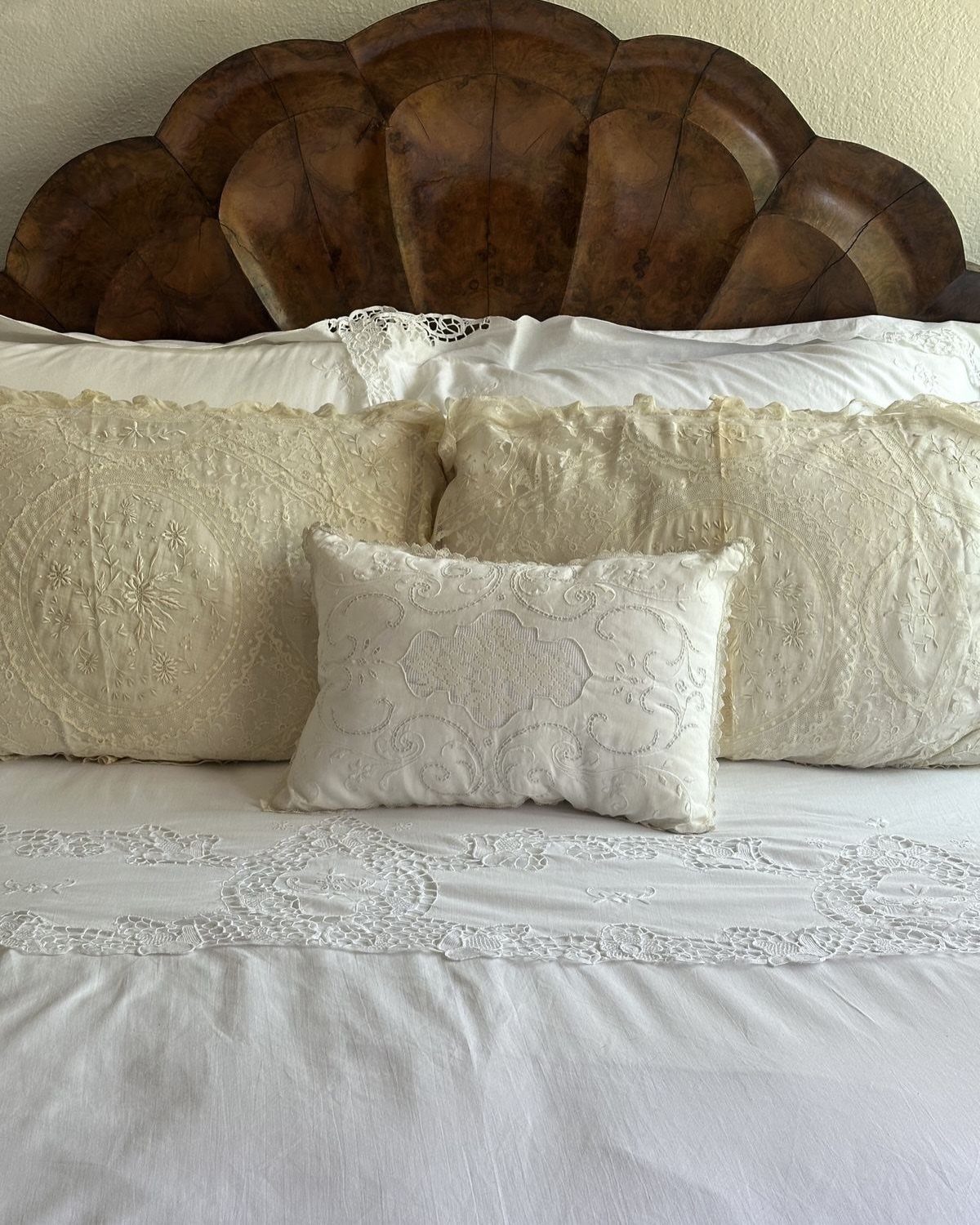
Furniture over 100 years old often features carved details, turned legs, and joinery methods that stopped being common after machines took over production. Brass beds, claw-foot tables, and hand-carved cabinets fall into this category.
Condition determines price more than age alone. I check for loose joints, deep scratches, and missing hardware before buying, since repairs on antique pieces require matching finishes and finding period-correct replacements.
These pieces suit formal rooms or spaces where a single statement item anchors the layout. Mixing antiques with simpler modern furniture keeps the room from feeling like a museum.
5. Retro Lounge Furniture

Low seats and deep cushions define retro lounge furniture, which leans into comfort over formality.
I place lounge chairs in corners or next to windows where they can serve as dedicated reading or conversation spots. The low backs do not block sightlines, so they work well in open-plan spaces.
Look for pieces with metal frames if durability matters. Leather and vinyl upholstery hold up better than fabric in high-use areas, though fabric gives more color options if the frame itself carries the retro feel.
6. French Country Furniture

Soft greens, creams, and weathered wood bring the countryside into French country furniture. Cabinets often have glass fronts or open shelving, and tables tend to be sturdy with turned legs or trestle bases.
Stone or brick elements reinforce the cottage feel. I pair painted cabinetry with natural wood accents to avoid a look that feels too coordinated.
This style suits kitchens and dining rooms where you want warmth without formality. Beamed ceilings and worn finishes fit naturally, so imperfections in older pieces read as character rather than flaws.
7. Shabby Chic Furniture
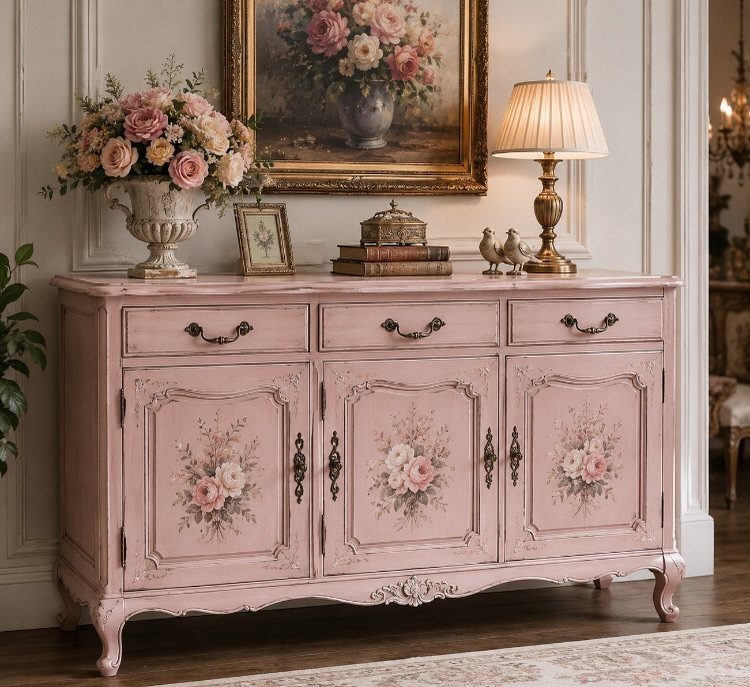
Painted finishes and visible wear give shabby chic furniture a soft, aged look that suits bedrooms and sitting areas where formality does not matter.
I choose pieces with chipped edges or faded paint rather than trying to match everything to one color. Pale pinks, creams, and whites work well together when the distressing ties them in.
Floral motifs and curved legs reinforce the cottage feel. This style pairs best with light fabrics and simple accessories that do not compete with the painted details.
8. Farmhouse Accents

Smaller pieces like step stools, bread boxes, and wall-mounted shelves bring farmhouse texture into a kitchen or dining room without replacing major furniture.
Galvanized metal, worn wood, and gingham fabrics fit the look. I keep these accents neutral or in soft reds and blues so they layer in without clashing.
Practical items that show their age work better than reproductions. A vintage enamelware pitcher or a wooden crate used for storage adds character while still serving a purpose.
9. Ornate Statement Vanity
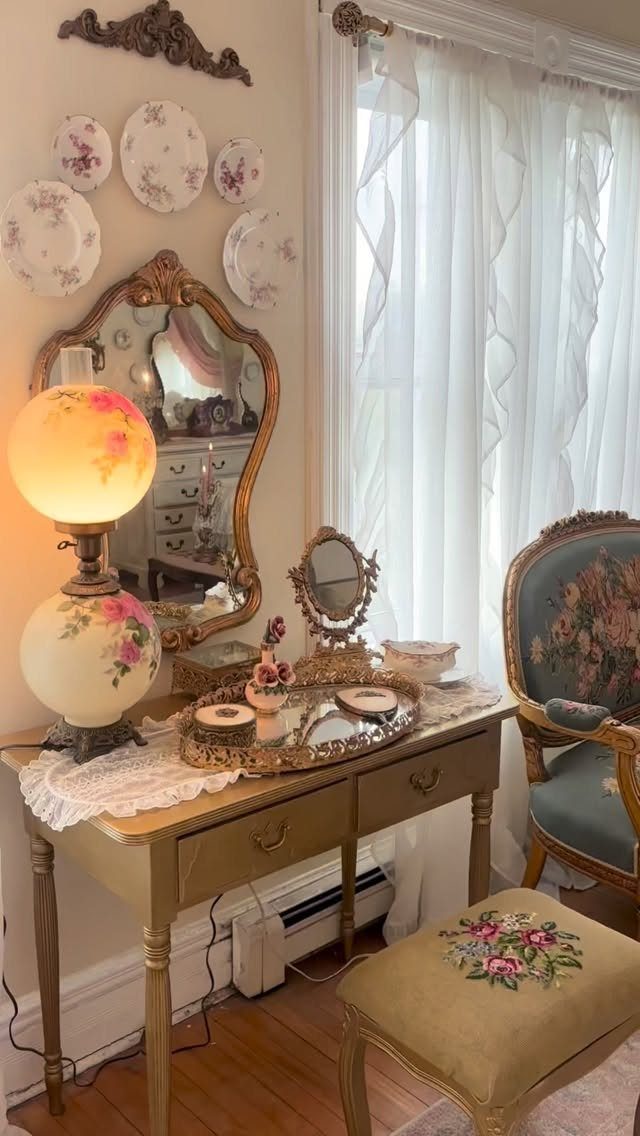
Gold-toned vanities with carved details and matching mirrors anchor a bedroom or dressing area with vintage glamour. The ornate frame and stool create a dedicated beauty station that stands apart from the rest of the furniture.
I place these against a neutral wall where the metallic finish can catch light without competing with other focal points. Floral lamps and framed prints reinforce the vintage feel without adding more heavy pieces.
These vanities suit larger rooms where the scale does not overwhelm the space.
10. Vintage-style Living Room
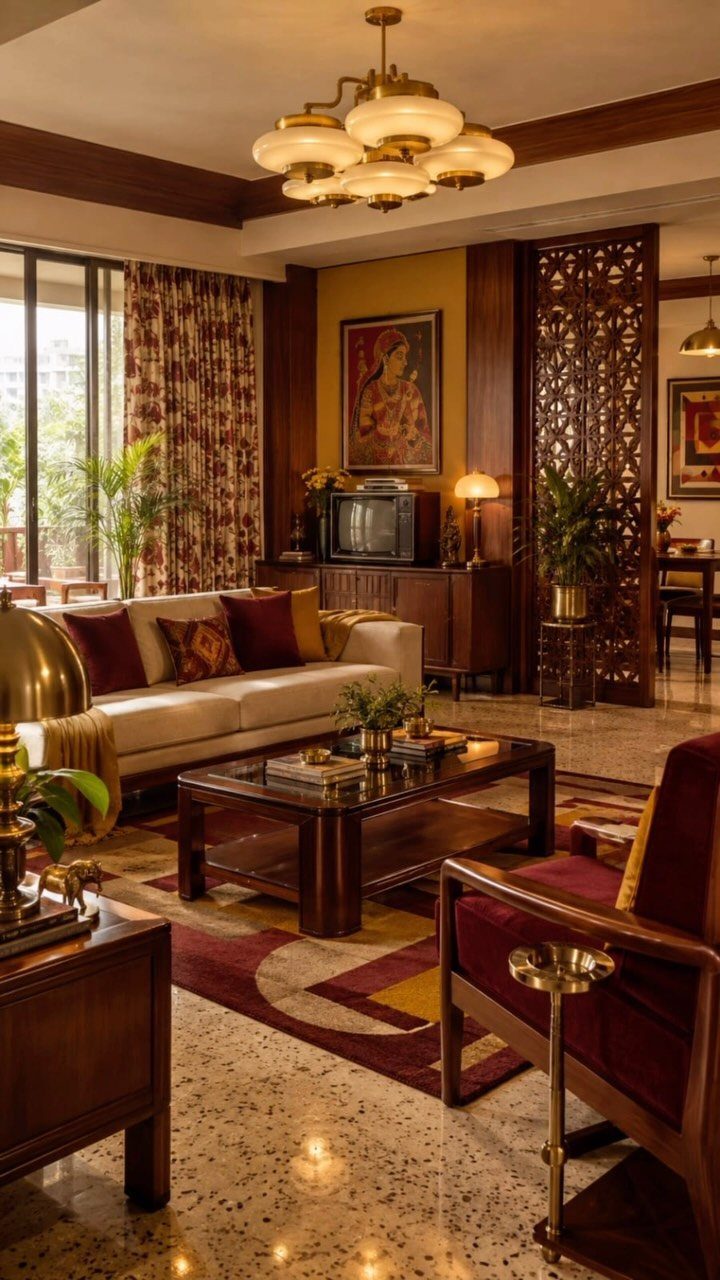
Dark wood tables and gold-toned lighting ground a living room styled with vintage appeal. A white sofa balances the heavier pieces, while a burgundy armchair adds a second seating option in a richer tone.
Patterned curtains and textured textiles layer in warmth without requiring a full room repaint. I mix wood finishes rather than matching everything, which keeps the space from feeling too coordinated.
You need enough square footage to hold multiple seating areas. Smaller spaces benefit from fewer pieces in the same palette.
11. Patterned Green Dresser

Hand-painted motifs turn a plain dresser into a decorative accent. Crane and fan patterns in white against dark green, trimmed with gold, give this piece an ornate look that suits bedrooms or entryways.
Tapered legs keep the base light despite the detailed surface. I choose wallpaper or stencils for patterns that would take too long to paint freehand, then finish edges with metallic accents.
This approach works on any solid wood dresser. The color and pattern define the style, so the base piece does not need to be vintage itself.
12. Painted Vintage Sideboard

A painted base with a natural wood top splits the visual weight of a sideboard and lets the weathered grain show through. Grey-blue paint tones down heavier pieces while gold handles add a finished detail.
I style the top with books, greenery, and simple jars rather than covering the surface entirely. The contrast between painted sides and raw wood holds the look together without needing matching decor.
This treatment works on older sideboards where the top has aged well but the base needs refreshing. Sand and seal the wood, then paint only the lower cabinet.
Check Dimensions and Condition
Measure doorways, hallways, and stairs before you buy anything that needs to travel through them. A sideboard that fits the wall may not clear the turn at the landing, and returns on vintage pieces are rarely simple.
Ask sellers for extra photos when you shop online. Listings shot from above make a chair look smaller than it is, and you need to see the frame from the side to judge how far the arms project.
Request dimensions for knee clearance on desks and seat height on chairs, not just overall width and length.
Inspect upholstery and joints in good light. Structural problems like wobbly legs or split rails cost more to fix than surface wear, and some damage only shows when you move the piece or sit in it.
Read the listing twice and compare what it says to what the photos show.
Shop with Everyday Use in Mind
Rounded corners and sturdy frames matter if children or pets share the space. A glass-top table or a chair with thin legs tips more easily than a solid wood piece with a low center of gravity.
Performance polyester or leather wipe down faster than cotton or linen, which trap spills and show stains.
Test chairs by sitting for longer than a few seconds. Sit in any chair long enough to feel whether the seat presses into your legs or tips your posture forward, and remember that old cushions flatten with age.
Renters benefit from lighter pieces that move without scratching floors or requiring help. A metal-frame chair or a small side table relocates more easily than a carved wood cabinet.
Frequently Asked Questions
What’s the difference between retro, vintage, antique, and reproduction furniture?
Retro points to pieces that pull from the 1950s through 1990s, whether they were made then or last week.
Vintage refers to original furniture 20–100 years old, while antique means pieces over 100 years old with hand-crafted details like carved legs and turned joinery.
Reproductions are made new to match older looks, so you skip the hunting and the repairs that come with the real thing.
How do I choose between retro, vintage, and reproduction furniture?
Use reproductions or retro-styled new pieces as your foundation since they come with known dimensions, reviews, and stable construction.
Add 1 or 2 vintage or antique pieces where you want history and character, but expect to invest time hunting for the right size and budget for repairs.
Authentic older furniture needs more patience and maintenance than new pieces styled to look vintage.
Can I mix different vintage eras in one room?
Mixing decades works better than matching everything to one year, as long as colors and proportions align.
A credenza and a lounge chair from different decades sit fine together if the palette ties them in. Let a few bold pieces carry the room and keep everything else quiet enough that the mix reads as a choice.
How do I style vintage furniture in a modern home?
Start with 1 statement piece like a sideboard or lounge chair, then surround it with simpler modern furniture and neutral textiles.
Let about 20% of the room carry vintage character while 80% stays calm and grounding. Rooms styled as single-era time capsules look staged, but a balanced mix keeps the space livable and timeless.
What’s better for families with kids: vintage furniture or new retro-style furniture?
New retro-style pieces give you rounded corners, sturdy frames, and spot-cleanable fabrics without the repair work or safety unknowns of older furniture.
Vintage furniture holds up fine around kids once you refinish worn edges, anchor tall pieces to the wall, and swap out fabric for something that wipes clean.
Solid wood storage and low-profile seating hold up better than delicate carved pieces or upholstered antiques.
How do I mix vintage and modern furniture?
Let 1 style dominate and use the other as an accent so the room feels cohesive rather than split.
A vintage credenza and a retro armchair work alongside a modern sofa and neutral rug when the wood tones or upholstery colors tie them together.
Mixing eras in equal parts often looks uncertain, but a clear majority keeps the space grounded.