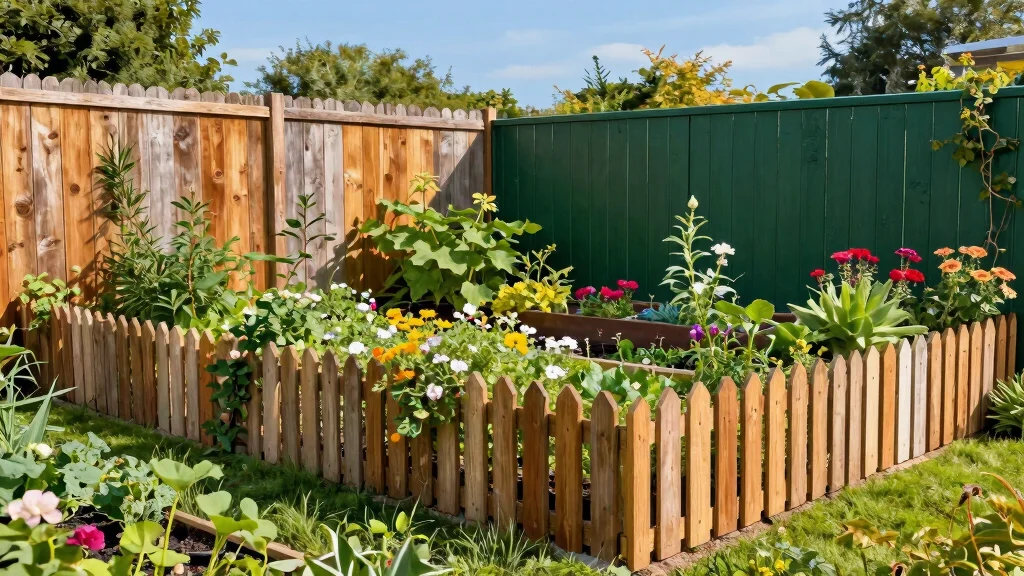
Creating a beautiful garden is a labor of love—one that deserves a protective fence that not only enhances the aesthetic but also stands the test of time. If you’ve been searching for durable and eco-friendly timber fence ideas, you’re in the right place! Our post dives deep into fencing options that can last over 15 years without the dreaded rot that often plagues wood.
This guide is for anyone passionate about gardening, especially those who value sustainability and longevity in their outdoor spaces. Whether you’re a seasoned gardener looking to upgrade your landscape or a novice just starting out, these timber fence ideas are designed to inspire and inform. You’ll discover various options that balance beauty, durability, and environmental responsibility, giving your garden the protection it deserves.
In this post, you’ll find 12 timber fence ideas that are not only visually stunning but also practical for the long run. From classic cedar wood to innovative composite materials, every option is crafted to enhance both your garden’s charm and its longevity. Say goodbye to frequent repairs or replacements and hello to a fence that truly lasts!
Key Takeaways
– Explore a variety of timber fence ideas that can withstand the test of time, focusing on styles that resist rotting.
– Learn about durable fencing options like cedar and redwood that bring both beauty and function to your garden.
– Discover rot-resistant timber choices and why they are a smart investment for your outdoor space.
– Get practical tips on selecting sustainable garden fencing that aligns with eco-friendly principles.
– Find maintenance-free fence designs that save you time and effort while enhancing your home’s curb appeal.
1. Cedar Wood Fencing – Nature’s Best Defense
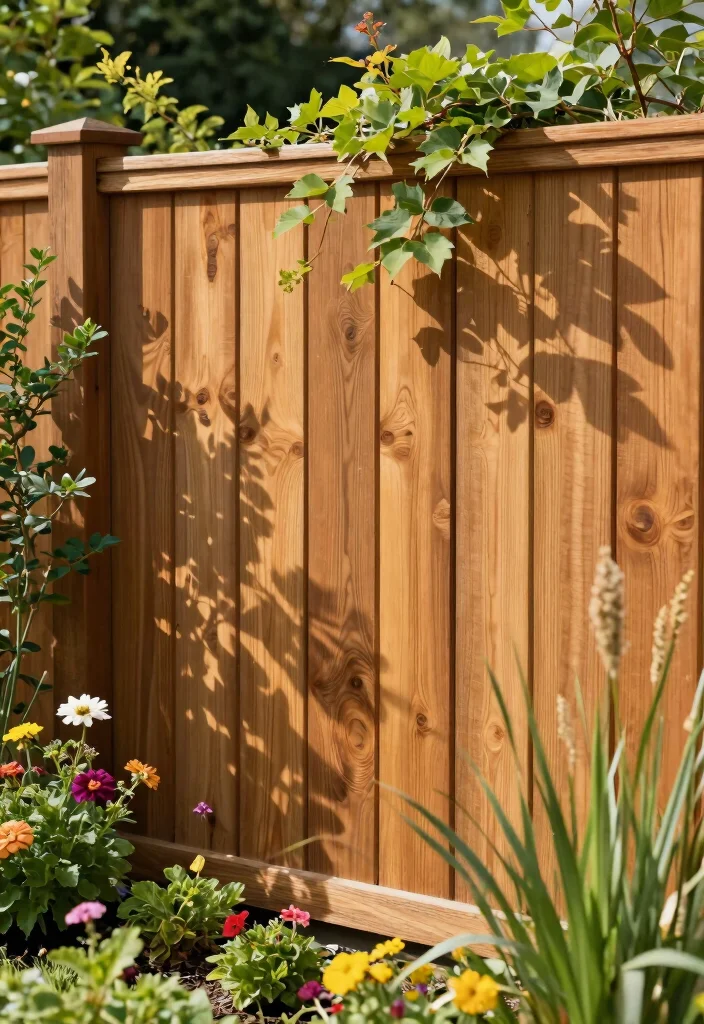
If you’re looking for a beautiful and durable fencing option, cedar wood is a fantastic choice. Its natural ability to resist rot and decay makes it perfect for gardeners who want a long-lasting solution. The lovely aroma of cedar adds an inviting touch to any outdoor space, and when treated correctly, it can stand the test of time for over 15 years. The natural oils in cedar also repel pests, giving you peace of mind in your garden sanctuary. A vertical plank design can highlight the unique wood grain while a soft stain enhances its visual appeal and protects it from the elements.
To get the most out of your cedar fence, remember to apply a water-resistant finish every few years. You can also explore various styles to fit your garden’s aesthetic. This way, you not only protect your investment but also create an aesthetically pleasing environment.
Key benefits of cedar wood fencing:
– Low maintenance requirements over the years
– Natural resistance to pests and rot
– Customizable staining options to match your decor

STYLISH NATURAL WOOD: This FSC certified wood screen is made with real wood meaning no two boards have the same grain color, finish, or wood knots differing it from vinyl outdoor privacy fence screen panels.
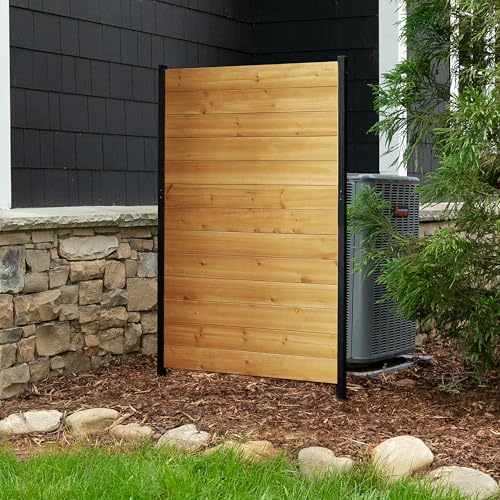
STYLISH NATURAL WOOD: This FSC certified wood screen is made with real wood meaning no two boards have the same grain color, finish, or wood knots differing it from vinyl outdoor privacy fence screen panels.

STYLISH NATURAL WOOD: This FSC certified wood screen is made with real wood meaning no two boards have the same grain color, finish, or wood knots differing it from vinyl outdoor privacy fence screen panels.
2. Redwood Fencing – Timeless Elegance
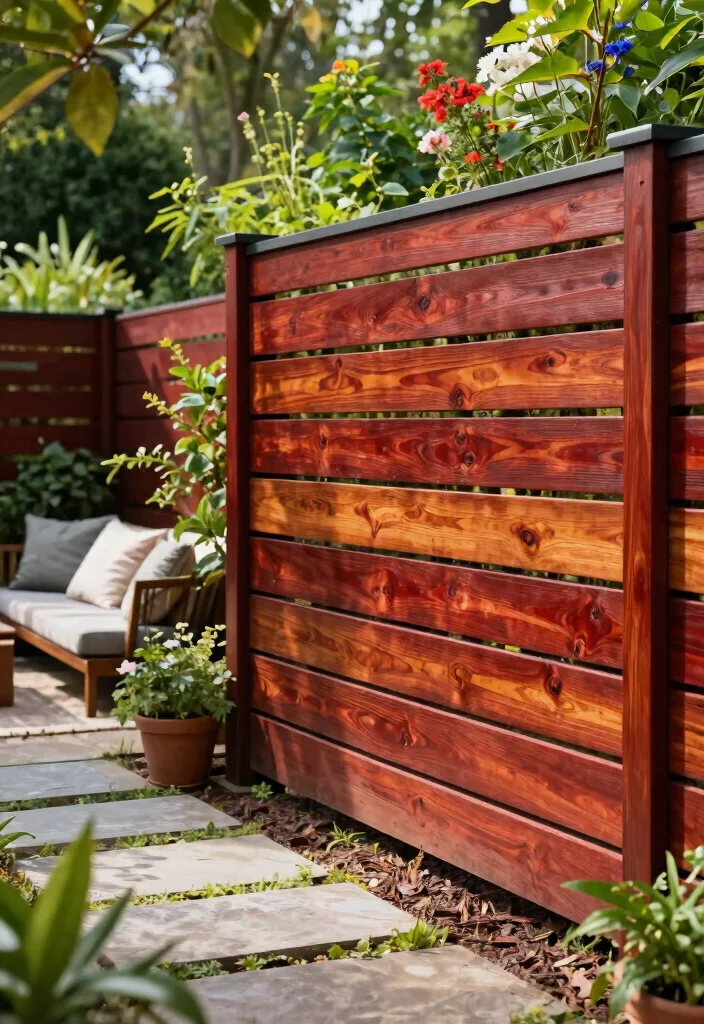
Redwood fencing is perfect for those who appreciate both beauty and resilience in their garden. With its rich hues, redwood adds a touch of elegance while its impressive durability ensures it can withstand the elements for decades. When properly maintained, these fences can last well over 15 years. Choosing a horizontal slat design can give your garden a modern edge while still respecting its natural surroundings.
To keep your redwood fence looking its best, consider periodic sealing to protect against UV damage. You can personalize its style further by choosing different slat widths or layouts, allowing it to blend seamlessly with your landscape.
Essential features of redwood fencing:
– Stunning color that enhances your garden
– Exceptional durability against decay
– Versatile designs for a contemporary aesthetic

By Crafters, For Crafters: Crafting and building with wood is our number one priority. Bringing you more of the wood craft supplies you love is our job

By Crafters, For Crafters: Crafting and building with wood is our number one priority. Bringing you more of the wood craft supplies you love is our job

TRUE ALL-ALUMINUM — BUILT FOR LONG-TERM VALUE: Ordinary steel or mixed-metal products can be progressing from surface corrosion to rust-through—often reported online within 0.5–2 years. So this is not simply about cosmetic maintenance—removing rust and repainting the surface. Once corrosion progresses to rust-through, the metal itself has deteriorated, potentially compromising the structural integrity and eventually requiring replacement of the affected component or structure. LukLoy post is built with a true all-aluminum structure for lasting outdoor over 30 years. it resists weathering, fading, and everyday exposure with less maintenance — a smarter long-term investment for your home.
3. Composite Timber Fencing – Eco-Friendly Innovation
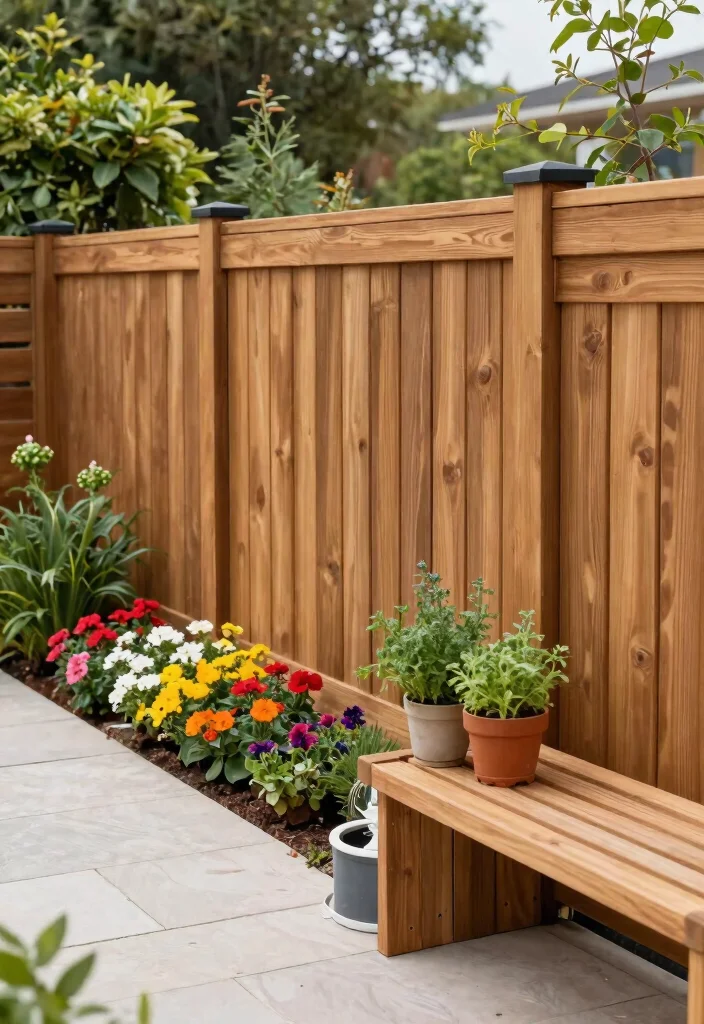
If sustainability is at the top of your list, composite timber fencing is an excellent option. This innovative material combines recycled content with wood fibers to create a fence that looks great and lasts a long time. Unlike traditional wood, composite is built to resist moisture and pests, ensuring you won’t face the issues of rotting. Available in an array of colors and finishes, you can easily match it to your garden design.
To achieve a natural look, consider selecting a composite fence that mimics the grain of real wood. Maintenance is a breeze—just a simple wash will keep it looking fresh for years to come. This choice not only beautifies your yard but also contributes to eco-friendly practices.
Highlights of composite timber fencing:
– Constructed from recycled materials for sustainability
– Highly resistant to water and pests
– Customizable finishes to suit your style

REALISTIC WOOD-LOOK WITHOUT THE MAINTENANCE: Beautifully embossed wood-grain boards provide the warm, natural look of real wood in Slate Grey or Walnut Brown — no staining, sealing, or painting required

High-Quality Privacy Fencing:Our composite fence panels are crafted from sustainable wood-plastic composite materials,not only offering the authentic texture of natural wood but also have a range of advantages,including environmental friendliness and durability.

High-Quality Privacy Fencing:Our composite fence panels are crafted from sustainable wood-plastic composite materials,not only offering the authentic texture of natural wood but also have a range of advantages,including environmental friendliness and durability.
4. Pressure-Treated Wood – Budget-Friendly Durability
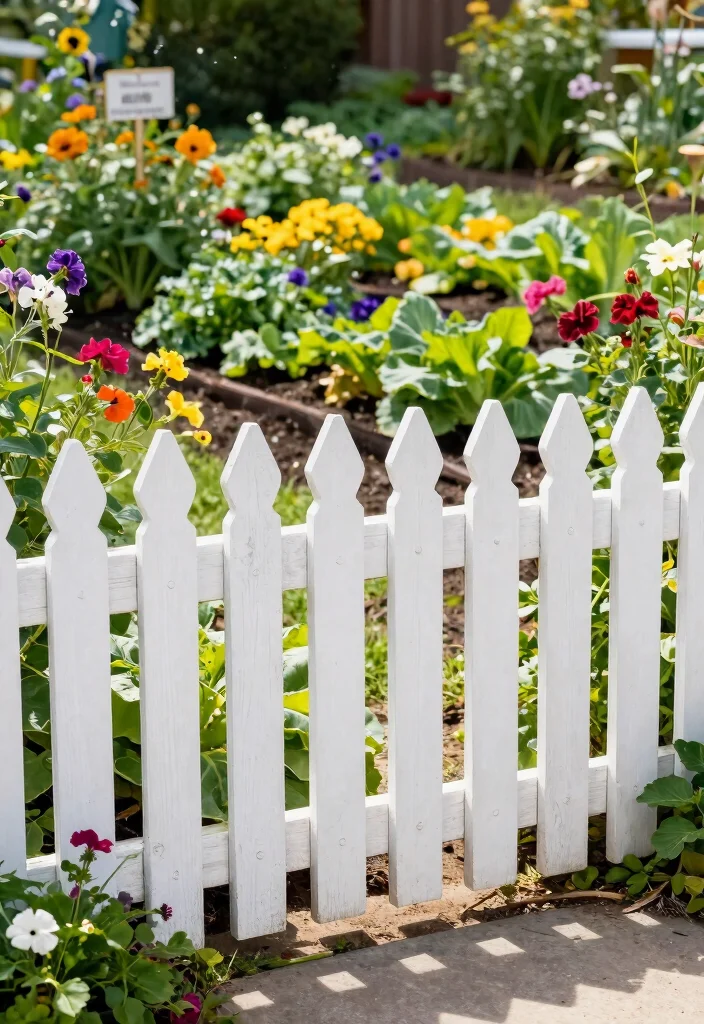
If you’re on a budget but still want quality, pressure-treated wood is a smart choice. This timber is chemically treated to resist rot and insect damage, offering durability that can easily surpass 15 years. Ideal for beginner gardeners, it provides reassurance that your investment will withstand the elements. A classic picket style can create a charming entrance to your garden, enhancing its overall appeal.
For added longevity, consider staining or painting your pressure-treated fence to introduce color and protection. You can also explore various design options to customize its look, ensuring it fits your garden’s charm.
Benefits of pressure-treated wood fencing:
– Affordably priced for budget-friendly options
– Versatile styling options available
– Long-lasting with proper maintenance
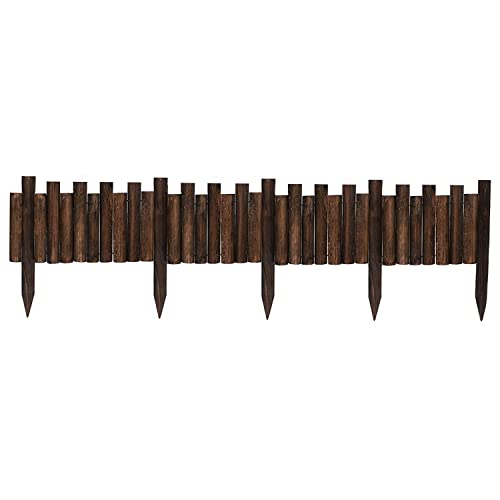
About the Edging: 8 inch height above ground, stakes Height 4 inch, 3.6 Feet total Length; Made from sturdy wood with a carbonized finish, this short fence is durable and long-lasting, standing up to outdoor elements.

Unique spiked design for easy fixing

Natural Wooden Garden Border Design: This wooden garden border features a unique burnt wood finish that adds rustic charm and warmth to your outdoor space. Perfect as decorative garden fence edging for flower beds, walkways, and landscaping accents.
5. Bamboo Fencing – Exotic and Sustainable
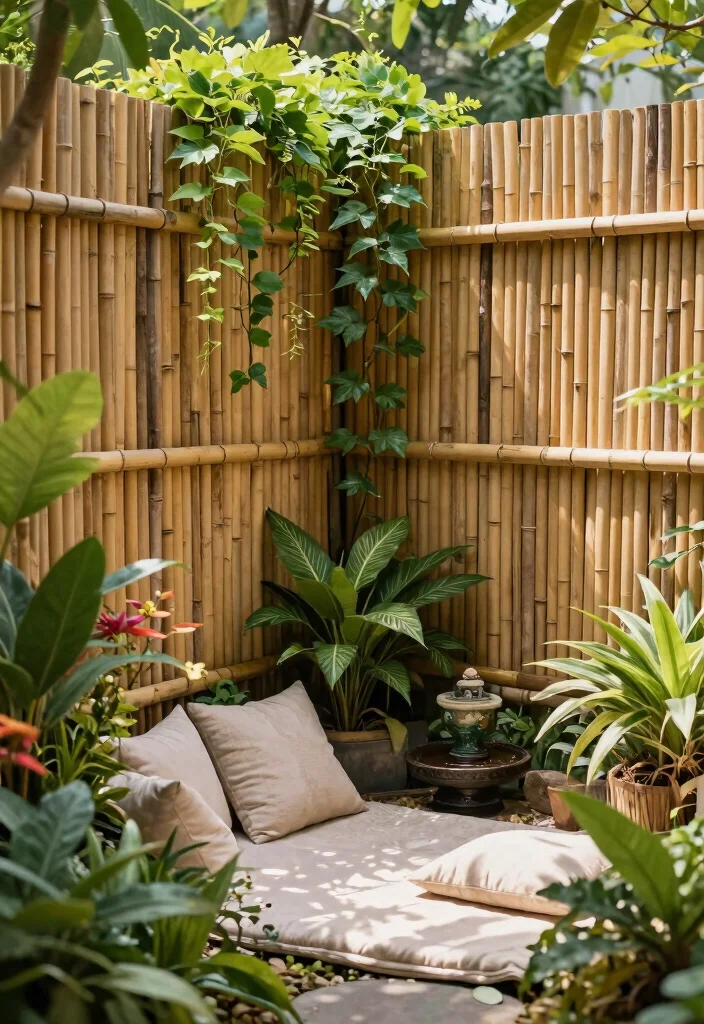
Bamboo fencing is an exotic option that brings sustainability to the forefront. As a rapidly renewable resource, bamboo is not only eco-friendly but also highly resistant to rot and pests. This lightweight material can easily last over 15 years while adding a unique texture to your garden. Consider using bamboo fencing as a privacy screen or a decorative backdrop to create a serene environment.
To keep your bamboo looking great, regularly apply a protective sealant against the elements. This small step can extend its life and maintain its natural beauty, making it a practical choice for any gardener.
Key features of bamboo fencing:
– Fast-growing and sustainable resource
– Natural resistance to decay and pests
– Lightweight for easy installation

Professional concentrate cleans decks, siding, driveways, and patios - perfect for homeowners preparing for BBQs, real estate agents staging homes, or contractors finishing jobs.

【Heavy-Duty Surface Mount Base】Expertly engineered for concrete surface-mount installation, this Tafbrik 3-way post features a high-stability 24" vertical support. While the heavy-duty base secures firmly to concrete, the precision-cut slots are compatible with wood or composite panels (up to 0.8" thick). This reinforced, deep-welded structure ensures a rock-solid, upright fence without any digging. (Includes pre-drilled holes).

EASY ORDERING: Everything you need for your fence project is in the box except for the final post. Only ONE additional post, BL19112, is required for the end of your project. A gate is available by searching BL19111.
6. Vinyl Fencing – Low-Maintenance Luxury
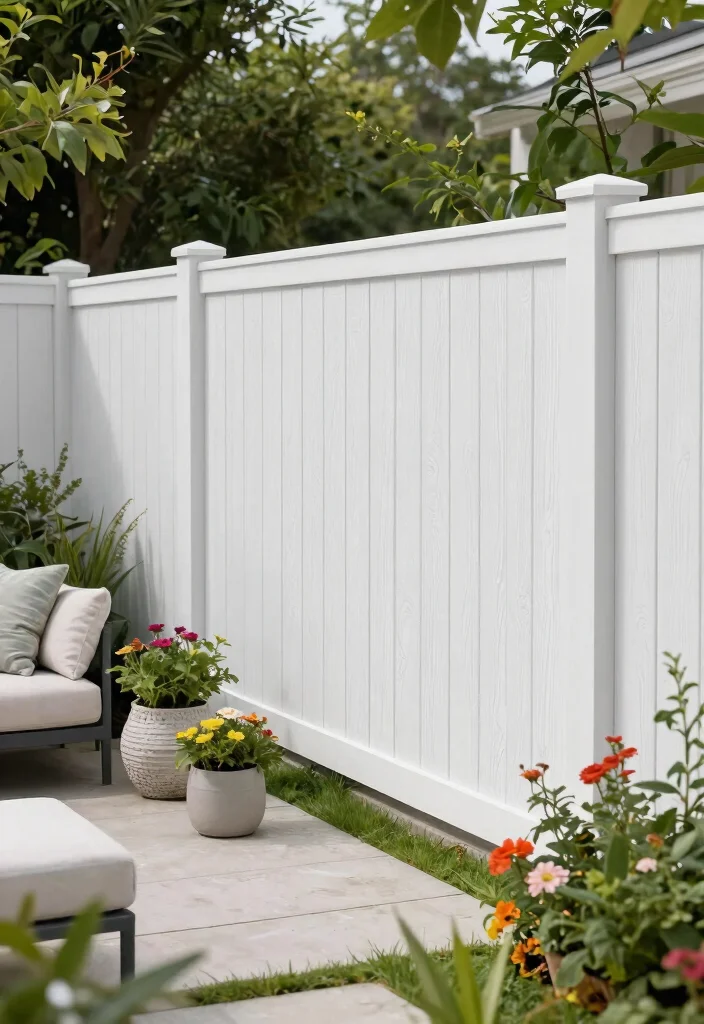
For those who prefer a modern touch without the hassle of upkeep, vinyl fencing is a fantastic option. Unlike traditional wood, vinyl doesn’t rot, warp, or fade, ensuring it stays beautiful for years. Available in numerous colors and styles, you can easily find one that complements your garden’s aesthetics. Plus, cleaning is a breeze—just soap and water will keep it looking fresh.
For a more authentic wood appearance, opt for a textured finish. This way, you can enjoy the look of wood while benefiting from vinyl’s durability and low maintenance. It’s a stylish addition to any contemporary garden.
Highlights of vinyl fencing:
– No rotting or warping issues
– Diverse color and style options available
– Effortless cleaning routine
Vinyl fencing is a smart timber fence ideas pick—no rot, warp, or fading. Choose a textured finish to mimic real wood, pick a garden-ready color, and simply soap and water clean to keep it looking fresh.
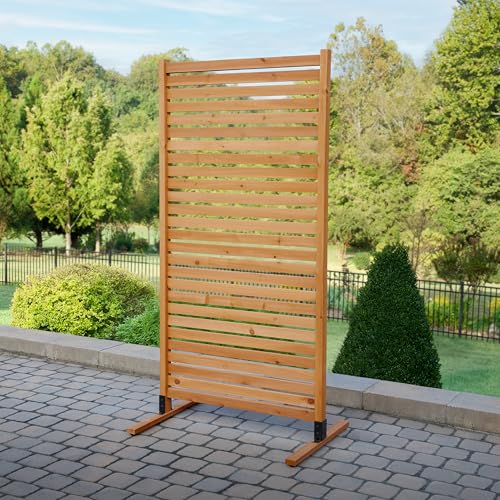
STYLISH NATURAL WOOD: This FSC certified wood screen is made with real wood meaning no two boards have the same grain color, finish, or wood knots differing it from vinyl outdoor privacy fence screen panels.

1 SCREEN PURCHASE: You will receive preassembled materials to construct 1 cedar wood outdoor privacy screen in a charcoal finish with your purchase

STYLISH NATURAL WOOD: This FSC certified wood screen is made with real wood meaning no two boards have the same grain color, finish, or wood knots differing it from vinyl outdoor privacy fence screen panels.
Key Trade-offs & Our Top Pick
Cedar Wood Fencing
– Pros:
– Naturally rot-resistant, providing longevity in various climates.
– Beautiful grain and aroma add aesthetic value to your garden.
– Easy to work with for DIY projects and repairs.
– Cons:
– Higher initial cost compared to some other wood options.
– Requires occasional sealing to maintain its appearance and durability.
– Best for: Homeowners looking for a natural look combined with durability.
Redwood Fencing
– Pros:
– Exceptional resistance to warping and cracking due to its natural oils.
– Rich, warm color enhances curb appeal and garden aesthetics.
– Low maintenance compared to other wood types.
– Cons:
– Can be pricey depending on location and availability.
– May require protective treatments to maintain color over time.
– Best for: Those wanting a classic, high-end look for their property.
Composite Timber Fencing
– Pros:
– Made from recycled materials, making it eco-friendly.
– Extremely durable and resistant to rotting, splintering, and fading.
– Requires very little maintenance—just an occasional wash is enough.
– Cons:
– Higher upfront cost compared to traditional wood options.
– Limited color options compared to natural wood fences.
– Best for: Eco-conscious individuals looking for a long-lasting, low-maintenance solution.
Pressure-Treated Wood
– Pros:
– Inexpensive and widely available, making it budget-friendly.
Enhanced resistance to pests and rot due to chemical treatments.
Simple to install, making it a great option for DIYers.
– Cons:
– Chemicals used in treatment may not be eco-friendly or safe for gardens.
Requires regular maintenance and sealing to extend its life.
– Best for: Homeowners on a tight budget who need a quick fencing solution.
Bamboo Fencing
– Pros:
– Fast-growing and renewable, making it an eco-friendly choice.
Provides a unique, exotic look that stands out in gardens.
Naturally resistant to pests and decay.
– Cons:
– Less durable than traditional wood options if not maintained properly.
Limited lifespan in harsh climates unless treated.
– Best for: Gardeners seeking a unique and sustainable aesthetic.
Expert Recommendation:
Best Overall: Cedar Wood Fencing
Cedar wood fencing stands out as the top choice for most homeowners. It beautifully balances value and performance, offering natural rot resistance and a stunning appearance. While it may require some maintenance, its long-term durability and aesthetic appeal make it worth the investment. You can easily enhance your garden while ensuring a reliable fence that lasts for years.
Why We Picked This:
Cedar is an excellent option for those who want a natural look without compromising on quality. If you’re looking for budget-friendly options, pressure-treated wood is a good fit. On the other hand, if eco-friendliness is your priority, composite timber or bamboo fencing may serve you best. Each fencing type has its strengths and weaknesses, so consider what’s most important for your garden!

WATER-BASED WOOD FINISH: Our sealant provides top-notch protection against wear and tear in high traffic areas. It's odorless and suitable for use on wood siding, log homes, swing sets, outdoor furniture, wooden deck and fence, and more

DIMENSIONS: Each panel measures 32” H x 48” W

OIL-BASED WOOD STAIN - Cabot Semi-Solid Stain + Wood Sealer is formulated to provide long lasting beauty and wood protection. The wood protector hides some wood grain to form a stronger weather barrier.
7. Natural Stone and Timber Combination – Rustic Charm
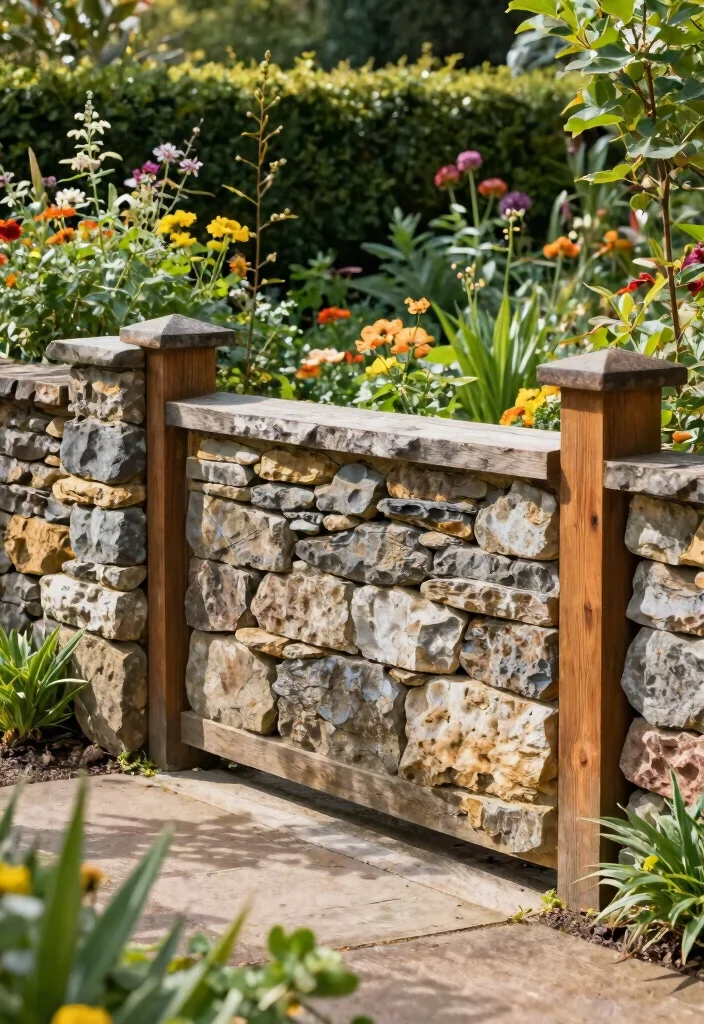
For a unique fencing option, consider a combination of natural stone and timber. This blend offers both durability and aesthetic appeal, making it a standout choice. Timber posts supporting stone panels create a rustic look that naturally complements garden landscapes. Stone resists weather conditions while timber adds warmth, and together they can last over 15 years with minimal maintenance.
Using locally sourced stone can enhance the environmental benefits and create a natural feel in your garden. This design not only provides a strong boundary but also adds character to your outdoor space.
Key attributes of a stone and timber fence:
– Distinct texture and contrast in design
– Durable materials for long-lasting use
– Customization options with various stone types
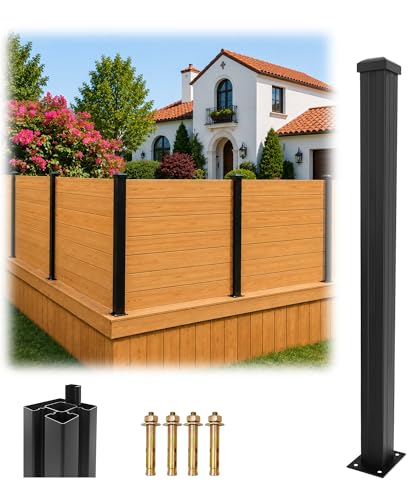
【Heavy-Duty Surface Mount Base】Expertly engineered for concrete surface-mount installation,Tafbrik 3-way fence post features a high-stability 16" vertical support and a widened 5.9" x 4.7" base plate. While the heavy-duty base secures firmly to concrete, the precision-cut slots are compatible with wood or composite panels (up to 0.8" thick). This reinforced, deep-welded structure ensures a rock-solid, upright fence without any digging. (Includes pre-drilled holes).

COMPATIBILITY: Compatible with 6ft H x 6ft W WamBam Privacy Fence Panels and 6ft H WamBam Fence Posts

High-Quality Privacy Fencing:Our composite fence panels are crafted from sustainable wood-plastic composite materials,not only offering the authentic texture of natural wood but also have a range of advantages,including environmental friendliness and durability.
8. Gabion Fencing – Modern with a Twist
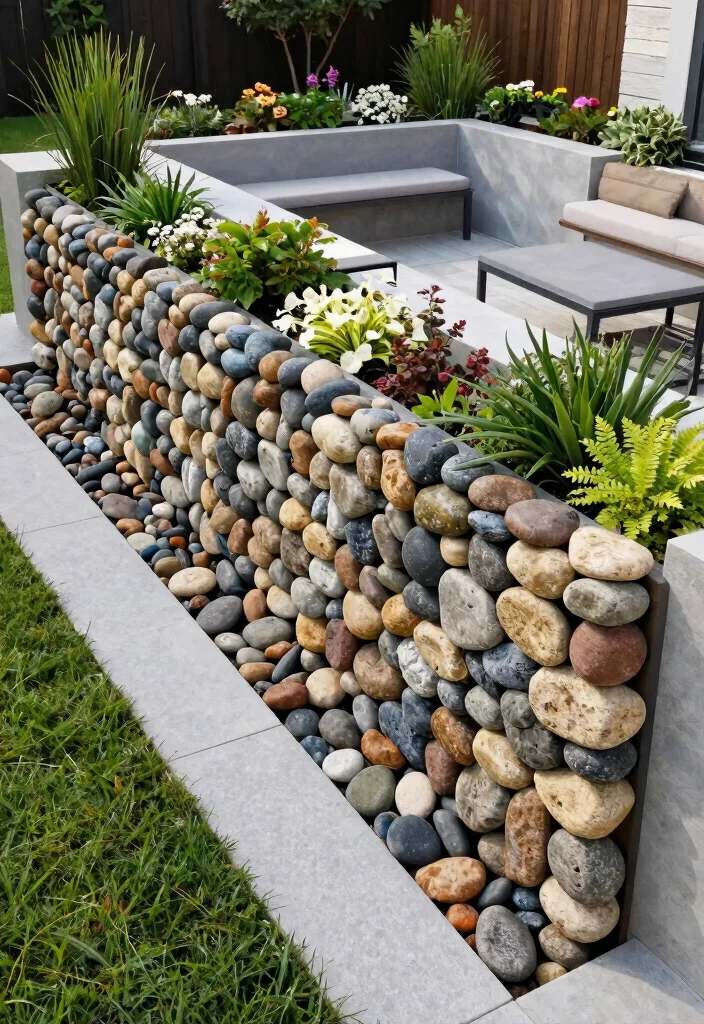
Gabion fencing is a modern choice that combines functionality with a striking design. These fences consist of wire cages filled with stones, creating a unique boundary that stands out. They offer excellent resistance to decay while providing sound insulation, making them a great option for urban gardens. With minimal upkeep, gabion fences can last well over 15 years, and their versatile shapes allow for customization to fit your garden’s style.
Consider using colorful stones for an artistic and vibrant appearance. This approach will enhance your garden’s beauty while adding a contemporary edge.
Essential features of gabion fencing:
– Visually striking design
– Sound insulation properties
– Customizable shapes and sizes

Natural Wooden Garden Border Design: This wooden garden border features a unique burnt wood finish that adds rustic charm and warmth to your outdoor space. Perfect as decorative garden fence edging for flower beds, walkways, and landscaping accents.
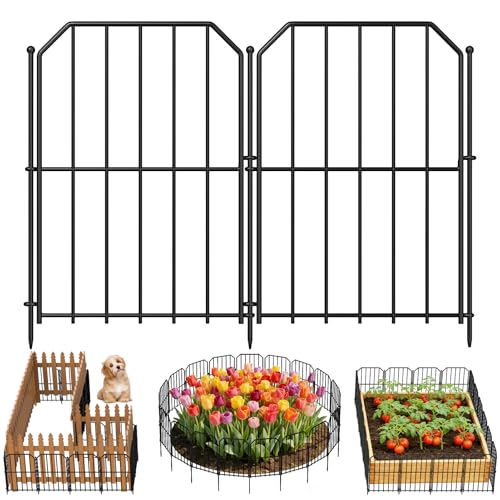
【Notice】Our animal barrier fence is not suitable for blocking large animals or pets.Overall height (stake & panel): 24". Installed working height: approx 15.83".

Stylish and Practical: Create a 40 ft garden fencing or pathway with PROWORX's sturdy steel fence border, garden fencing 14 inch high is easy to remove and fold for storage
9. Live Fencing – Eco-Friendly and Lively
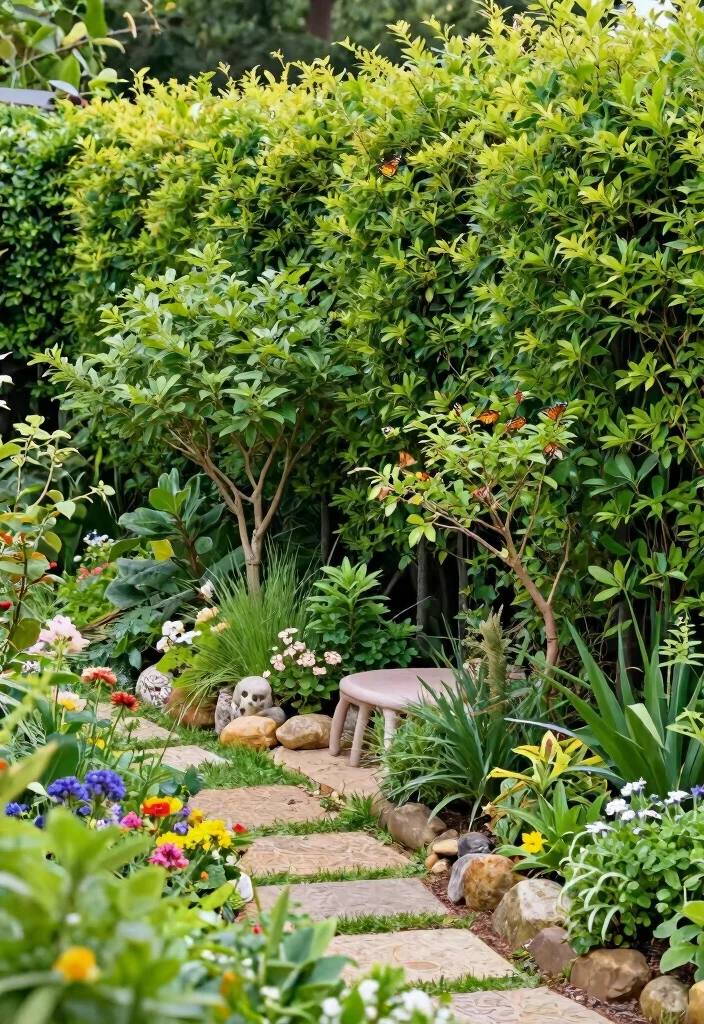
Live fencing creates a vibrant and eco-friendly boundary using living plants. By planting shrubs or small trees closely together, you can form a lush green wall that not only beautifies your garden but also supports local wildlife. This type of fencing encourages biodiversity and can thrive for many years with proper care. Consider using native plants to enhance sustainability and reduce water requirements.
Regular pruning will keep your live fence looking neat and healthy while promoting new growth. This dynamic choice allows for seasonal changes, adding beauty throughout the year.
Key benefits of live fencing:
– Promotes biodiversity in your garden
– Natural and beautiful boundary option
– Tailored to local conditions using native plants

PET & CHILD SAFE: Create a safe outdoor play area for fur babies and children. Rest assured that this fence will create a sturdy barrier to protect your family.

DIMENSIONS: Each unit is 41" H x 44" W and includes 2 complete fence panels with posts for a total of 88in of fence.

Safe & Sturdy: Our fences have been tested by Intertek, an independent testing facility as well as passed California Proposition 65 to ensure safety for both people and our pets. Metal stakes are designed with rounded ball tips to protect from injury. The upgraded metal rods have been designed to be more easily inserted into the ground for more stability and rigidity, which ensures your dogs won't knock them over.
10. Horizontal Slat Fencing – Modern Minimalism
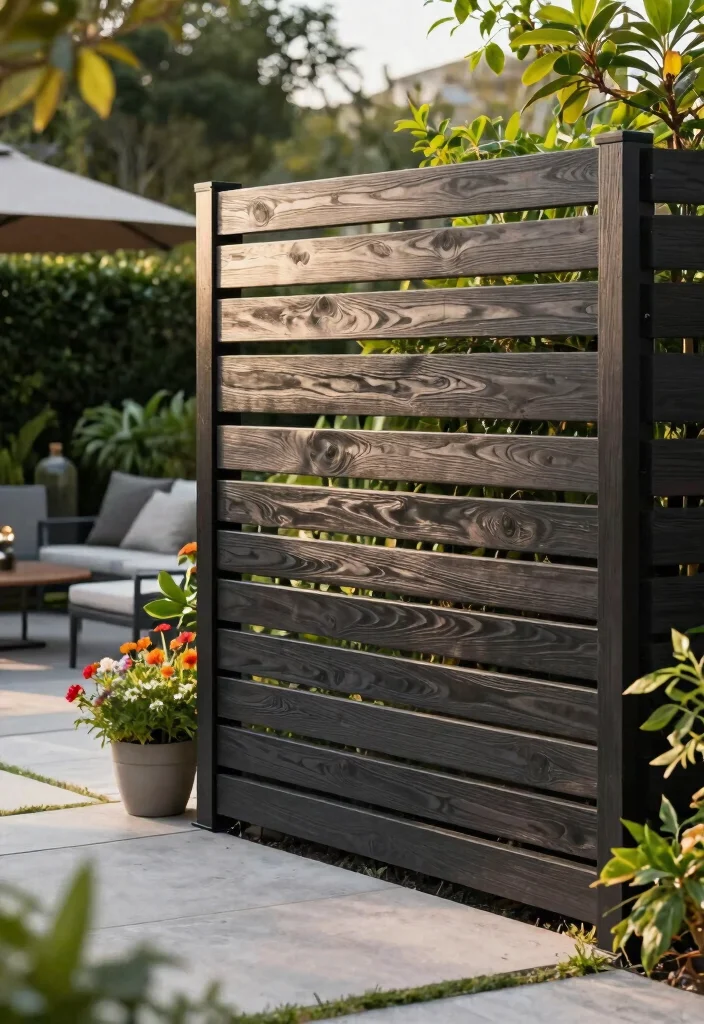
Horizontal slat fencing brings contemporary style and privacy to your garden. This design features evenly spaced slats arranged horizontally for a sleek look that balances form and function. Using durable materials like cedar or composite ensures these fences can last well beyond 15 years. Their minimalist style beautifully complements modern architectural designs.
Experimenting with the spacing between slats can enhance visual appeal and add a personal touch. This flexibility allows you to create a unique look that fits your garden perfectly.
Highlights of horizontal slat fencing:
– Privacy with a modern aesthetic
– Customizable spacing for a tailored style
– Enhances contemporary architecture
Horizontal slat fencing is a timber fence idea that blends modern minimalism with privacy. These timber fence ideas use cedar or composite to last 15+ years, and you can fine-tune slat gaps to shape light, texture, and garden flow.
11. Curved Fencing – Playful and Unique
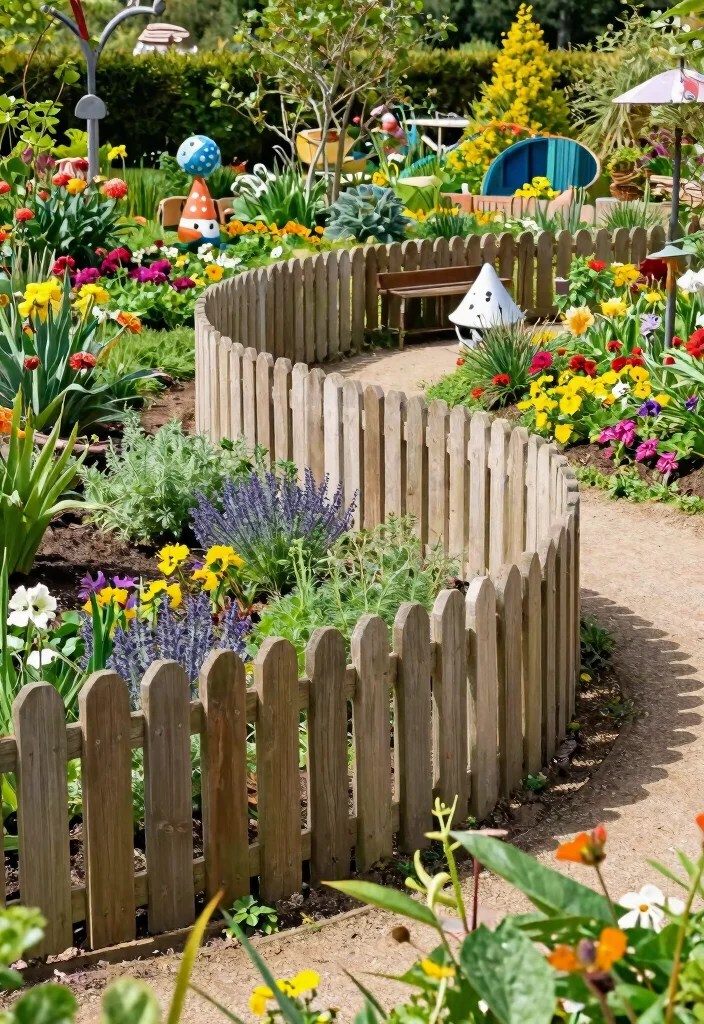
Curved fencing introduces a playful and whimsical element to your garden design. Breaking away from traditional straight lines, this type of fencing allows for creative layouts that enhance the overall flow of your outdoor space. Made from flexible timber or composite materials, curved fences can be shaped to follow the natural contours of your landscape, adding character.
Mixing curves with straight features creates an eclectic yet harmonious look. This playful design encourages exploration and adds life to your garden.
Key features of curved fencing:
– Creative design flexibility for unique layouts
– Encourages exploration within the garden
– Combines geometric elements for added aesthetic appeal
Fun fact: curved fencing can soften edges and invite exploration. It can also fit more plant beds in irregular yards, saving up to 15% space—use flexible timber to follow natural contours for a playful, eco-friendly timber fence ideas layout.
12. Traditional Picket Fencing – Timeless Appeal
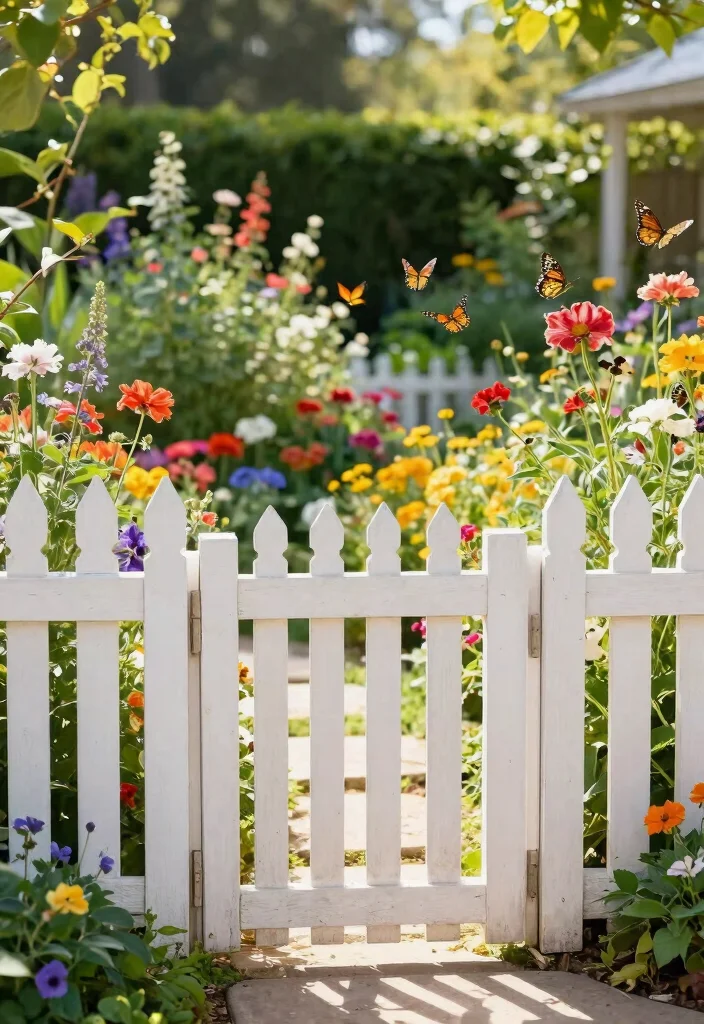
Traditional picket fencing remains a classic choice, radiating charm and warmth in any garden. Typically made from durable timber, this style can last over 15 years with the right care. The iconic picket shape adds personality and nostalgia, making it perfect for family-friendly spaces. Choose a low-height design for a welcoming atmosphere or taller pickets for increased privacy.
Painting your picket fence in bright colors can enhance its charm and provide a personalized touch. This classic design connects your garden with a sense of timeless beauty.
Essential features of traditional picket fencing:
– Classic and inviting design
– Versatile height options for privacy
– Paintable surfaces for personalization
Conclusion
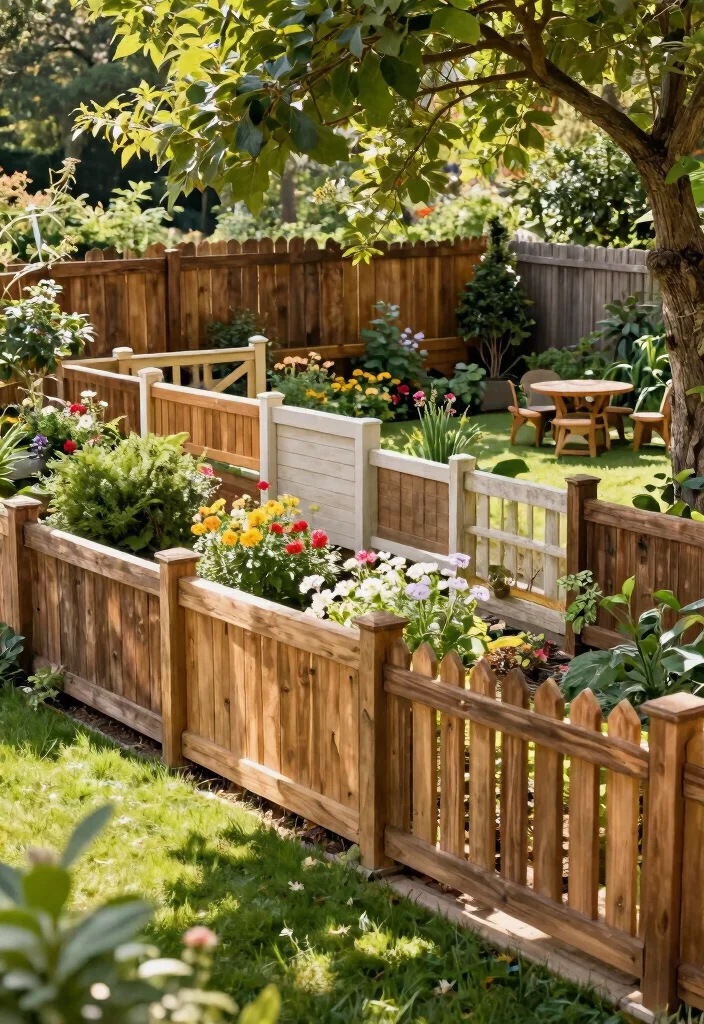
Choosing the right timber fence can enhance your garden while ensuring longevity and sustainability.
From the elegant lines of redwood to the modern charm of composite materials, these twelve timber fence ideas offer a plethora of options to suit any gardener’s needs. By investing in durable and eco-friendly fencing, you not only protect your garden but also contribute to a more sustainable future. Take these ideas and consider which style resonates with your vision for an inviting outdoor space.
Frequently Asked Questions
Question: What Are Timber Fence Ideas That Last 15+ Years Without Rotting?
To realize timber fence ideas that last 15+ years without rotting, start with rot-resistant timber choices like cedar, redwood, black locust, or thermally modified wood.
Pair with durable fencing options such as pressure-treated components with a non-toxic preservative, galvanized or stainless-steel hardware, and UV/moisture-blocking finishes.
Install with solid posts set deep in good-draining ground (gravel or concrete footings) and maintain a small clearance between soil and wood to improve airflow.
Finish with a quality seal or stain and reapply every few years; keep gutters clean and trim nearby vegetation to reduce moisture contact. For eco-friendly appeal, choose FSC-certified timber and low-VOC finishes to support sustainable garden fencing.
Question: What Are Rot-Resistant Timber Choices That Work Well in Eco-Friendly Gardens?
Rot-resistant timber choices that work well in eco-friendly gardens include cedar, redwood, black locust, and thermally modified woods. These species resist decay naturally and often require fewer chemical treatments.
Choose sustainably sourced options—prefer FSC-certified lumber and avoid toxic preservatives when possible.
For extra durability, pair rot-resistant timber with durable hardware (galvanized or stainless steel) and consider hybrid designs that combine wood with metal or recycled-plastic components.
In damp climates, ensure good drainage and air flow around posts to slow moisture uptake.
Question: How Can I Build Long-Lasting Wood Fences Without Rotting in a Sustainable Garden?
How can I build long-lasting wood fences without rotting in a sustainable garden? Start with rot-resistant timber and keep wood off direct soil contact by using gravel or concrete footings and proper post spacing.
Use corrosion-resistant hardware and a breathable, UV-protective finish; reapply every 3–5 years and trim back plants that trap moisture.
Inspect annually for loose boards or rot and replace damaged sections promptly to keep your timber fence ideas durable and eco-friendly over time.
Question: Are There Maintenance-Free Fence Designs That Still Use Timber?
Are there maintenance-free fence designs that still use timber? While no wooden fence is truly maintenance-free, you can approach a maintenance-free look by selecting rot-resistant timber and a durable, low-VOC finish, and by choosing designs that minimize exposed joints.
Consider timber slats with concealed hardware or pairing timber with metal posts for a clean, durable appearance that requires less upkeep.
Another option is to use reclaimed wood where appropriate and seal it well, or blend timber with low-maintenance materials to reduce ongoing maintenance while keeping a timber fence feel.
Question: Which Durable Fencing Options Best Complement a Sustainable Garden?
Which durable fencing options best complement a sustainable garden? Choose options that align with eco-friendly gardening: rot-resistant timber boards on steel or aluminum posts for longevity; FSC-certified cedar pickets with hidden fasteners for a neat look; or reclaimed timber for a rustic vibe.
Use corrosion-resistant hardware, low-VOC finishes, and avoid toxic treatments to protect both the fence and the environment.
Design with sustainability in mind by ensuring good drainage, airflow, and space for plants to thrive alongside the fence, reinforcing the theme of a sustainable garden fencing approach.
Related Topics
timber fence ideas
durable fencing options
sustainable garden fencing
long-lasting wood fences
rot-resistant timber
eco-friendly fencing
maintenance-free design
DIY garden projects
beginner friendly
backyard privacy
natural materials
gardening trends