
Porcelain plates span plain white sets to hand-painted Limoges pieces, and the right choice depends on how often you plan to use them.
Daily-use porcelain needs to be dishwasher-safe and chip-resistant, while formal sets with gold trim or intricate patterns require hand washing and suit tables set a few times a year.
1. Porcelain Dinnerware

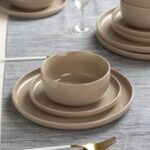
Porcelain dishes carry enough weight to feel substantial without being heavy, and the material holds heat longer than stoneware or earthenware.
That makes them practical for courses that should stay warm, and they stack neatly when you need to store a full set in limited cabinet space.
Most porcelain is dishwasher-safe and chip-resistant enough for regular use, though pieces with metallic trim need hand washing.
The finish stays smooth after years of cutting on the surface, which keeps the plates looking clean instead of developing the grey marks that duller glazes pick up from cutlery.
2. White Porcelain Sets

A white set gives you room to build around it. The plates do not compete with food color or table linens, so one set works for weeknight dinners and dressed-up occasions without looking out of place at either.
White porcelain typically costs less than patterned or colored versions, and replacement pieces are easier to find if something breaks.
The glaze hides fine scratches better than darker finishes, which show wear more quickly. If you want pattern later, you can layer in colored glassware or printed napkins without replacing the whole set.
3. Formal Dining China Sets

Sets like this one include serving pieces, teapots, and multiple plate sizes, so you have what you need for a full table without mixing in pieces from other collections.
The gold rim and floral details give the dishes enough presence to carry a formal meal, and the coordination across pieces keeps the table looking intentional.
These sets take up storage space, so they suit someone who hosts regularly enough to justify the cabinet room. Hand washing is usually required for anything with metallic accents.
4. Decorative Plate Rims

Rims with color or pattern pull the eye outward and make the plate feel larger, which works well for plating smaller portions without the dish looking empty.
A solid-colored or metallic rim keeps the focus on the food, while a patterned border contributes to the table’s overall look when the plates are set out before a meal.
Wider rims leave less usable surface area in the center, so they suit plated dishes better than family-style servings. Intricate patterns around the edge can clash with busy tablecloths or napkins.
5. Floral Porcelain Sets

Floral patterns bring detail to a table setting without requiring additional centerpieces or linens. The motifs range from realistic botanical prints to stylized designs, and many sets include complementary serving pieces that extend the pattern across the table.
These dishes suit someone who wants a collected look without mixing patterns themselves.
The decoration is permanent, so the set works best when the aesthetic matches your long-term preferences. Sets with hand-painted details usually need gentler care than plain porcelain, and they often cost more per piece.
6. Colored Dinnerware Sets
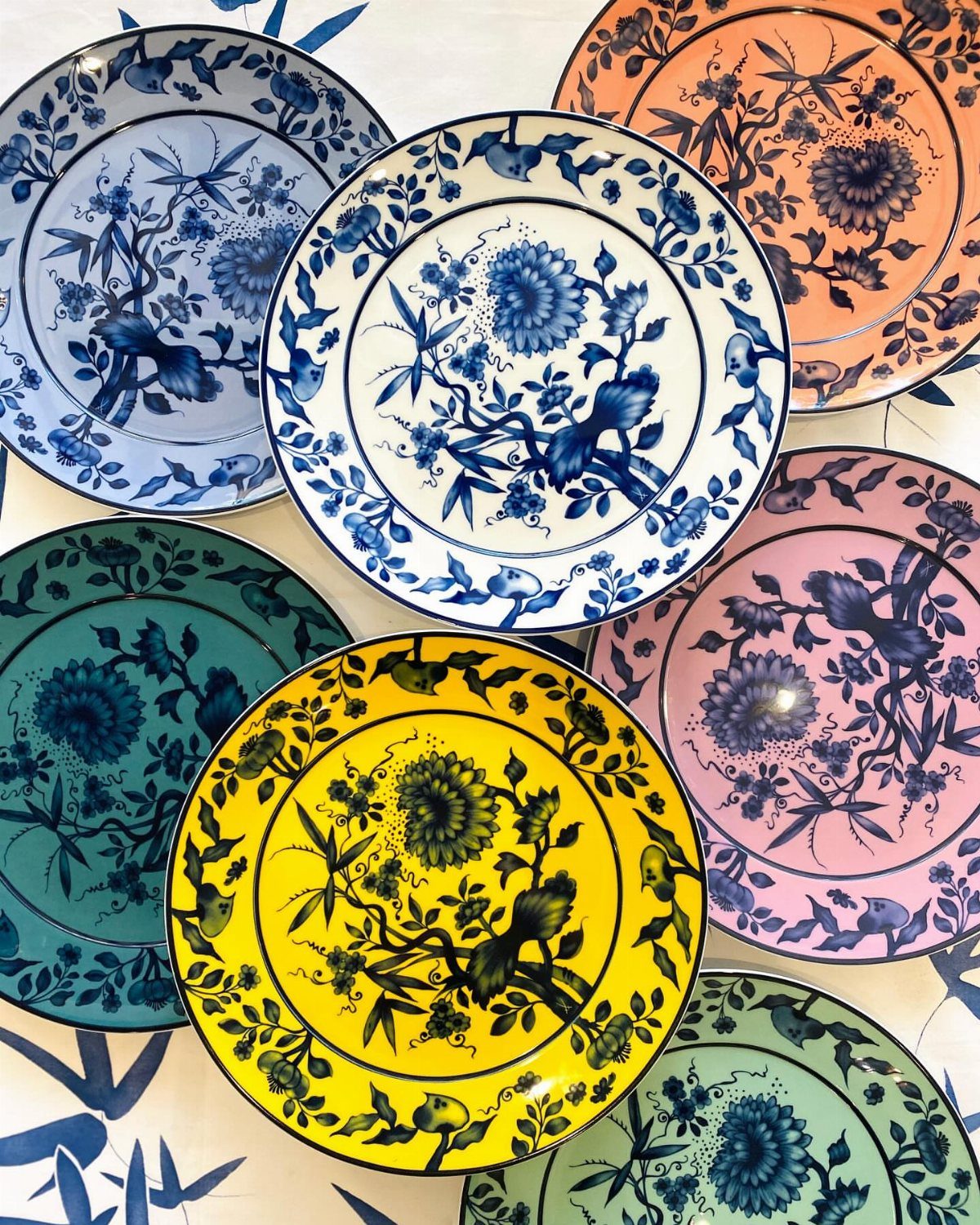
Color distinguishes one course from another or marks individual place settings when you are serving family-style.
Solid hues give you flexibility with table linens, since the plates themselves provide the color, and glazed finishes in saturated tones hold up better to daily use than painted details.
Sets that include multiple colors let you assign one to each person or layer different shades for a more casual table.
Bright colors can overwhelm smaller tables or tight dining spaces, so they suit larger rooms or outdoor settings where the boldness reads as intentional rather than crowded.
7. Gold-rimmed Porcelain

Gold trim adds formality without pattern, so the plates suit a range of table settings depending on what you pair them with.
The metallic border catches light and separates each piece visually when plates are stacked or laid out before a meal.
These dishes require hand washing, since dishwasher detergent and high heat degrade gold finishes over time. The trim wears off with repeated scrubbing, so they suit someone who hosts occasionally rather than someone looking for daily-use dinnerware.
8. Mix-and-match Dinnerware

Sets built to layer let you combine different patterns or colors without the table looking unplanned. Each piece is designed to sit next to others in the collection, so mismatched plates still feel intentional.
This approach works when you want variety but prefer not to hunt for vintage pieces or guess at compatibility.
You can start with a smaller set and add patterns gradually, which spreads the cost over time. The coordination is built in, so mixing feels less risky than pairing unrelated dishes.
9. Limoges Porcelain

Limoges carries a reputation for detailed hand-painting and gilded edges, and pieces from established makers hold value better than most porcelain. The decoration is intricate enough to anchor a formal table on its own.
These dishes typically cost more per piece than standard porcelain, and replacement pieces can be difficult to source if a plate breaks.
The fine details and gold accents mean hand washing, so they suit someone who sets a formal table a few times a year rather than weekly.
10. Villeroy and Boch Tableware

This brand offers a wide range of patterns and frequently releases new collections, so finding coordinating serving pieces or replacement plates is easier than with discontinued lines. The pieces are dishwasher-safe unless they include metallic accents.
Prices sit in the middle range for porcelain, making them accessible for everyday use or occasional formal meals.
11. Blue Fluted China

Royal Copenhagen’s fluted pattern has been in production since the 1770s, and its blue hand-painted details and scalloped edges make it recognizable enough that many other makers have produced similar versions.
The original holds its value, and replacement pieces remain available because the pattern is still made.
The intricate painting and traditional look suit formal tables or collections built around classic European porcelain. Copies are common, so if authenticity matters, check the backstamp before buying secondhand.
Frequently Asked Questions
Which is better quality, porcelain or bone china?
Bone china is thinner and more translucent than porcelain, which gives it a delicate appearance, but porcelain is more chip-resistant and holds up better to daily use.
Porcelain costs less and handles dishwashers without the extra care bone china often needs. I’d pick porcelain for regular meals and bone china only if the translucency matters enough to justify the higher price and gentler handling.
What are the different types of china plates?
Porcelain plates include white sets that work for any occasion, formal sets with gold rims and coordinated serving pieces, and decorative options with floral patterns or colored glazes.
Plates with wide decorative rims leave less space in the center but add visual interest, while solid white or rimmed versions keep the focus on food.
What materials are commonly used in china dinnerware sets?
Fine porcelain and bone china are the standard materials, both known for durability and a refined appearance. Porcelain holds heat longer than stoneware and stacks neatly, while bone china has a translucent quality that makes it lighter and more delicate.
Are china dinnerware sets suitable for both casual and formal dining?
White porcelain works for weeknight dinners and dressed-up meals without looking out of place at either, since the plates do not compete with food or linens.
Formal sets with gold rims or floral patterns carry more presence and suit someone who sets a full table occasionally rather than daily. Solid white or simple rimmed dishes give you the most flexibility across different settings.
What types of designs and patterns are available in china dinnerware sets?
Patterns range from plain white and solid colors to floral motifs, gold or metallic rims, and intricate hand-painted details.
White sets leave room to add color through glassware or linens, while floral or colored dishes bring detail to the table without additional decoration.
How can I care for and maintain my china dinnerware set?
Porcelain without metallic accents goes in the dishwasher, but gold or platinum trim needs hand washing to prevent the finish from wearing off.
Avoid abrasive cleaners on decorated pieces, since scrubbing can remove hand-painted details over time. Store plates with felt or cloth between them if stacking pieces with intricate patterns or gilded edges, so the decoration does not scratch.