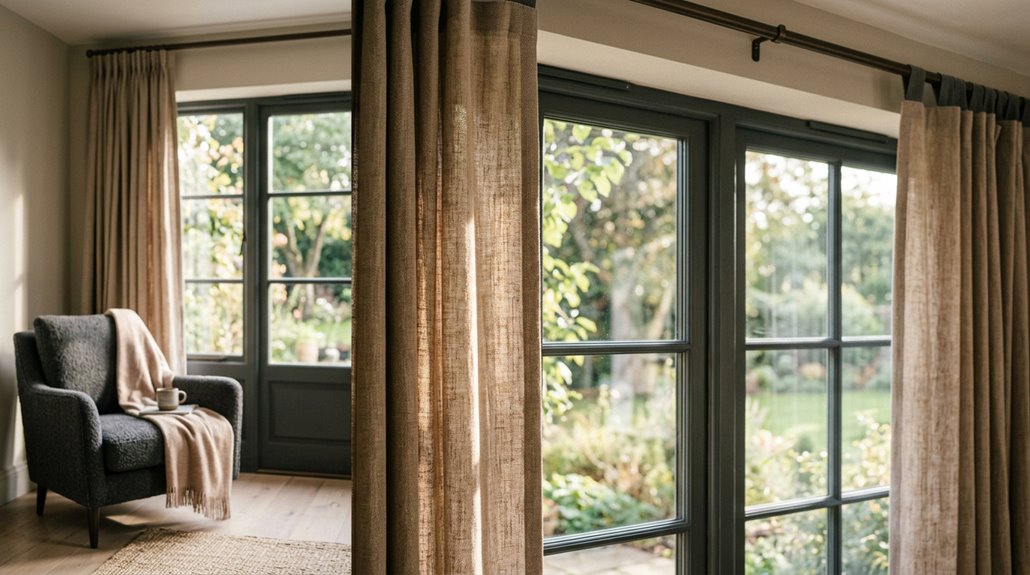
Back tab curtains create crisp, intentional folds that give any room a designed appearance. Uniform pleats spaced every 6 inches work with modern, traditional, or transitional spaces.
You’ll measure your rod length, multiply by 1.5 to 2 for fullness, and select lightweight fabrics in neutrals. Then slide a smooth metal rod through those tabs. The process is straightforward once you understand the basics. Learn how to avoid bunching and keep those folds looking sharp.
What Are Back Tab Curtains and How Do They Work?
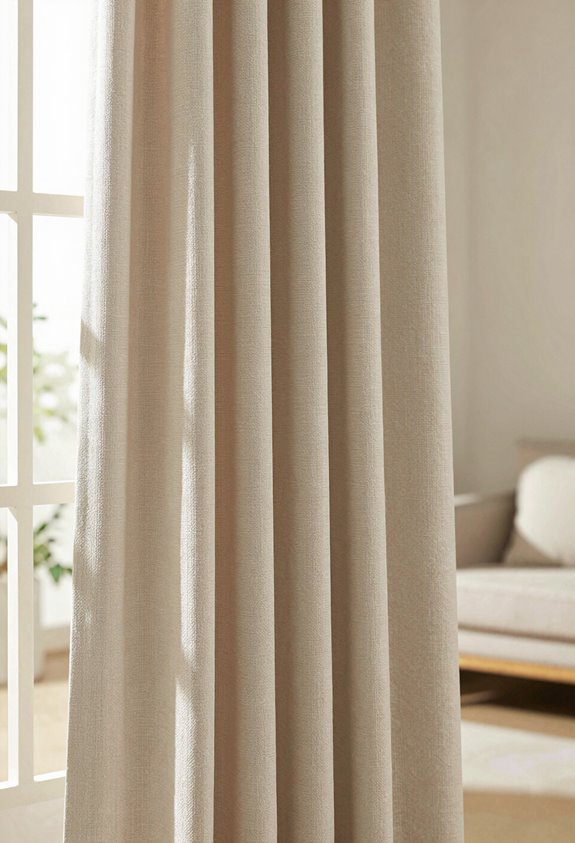
Ever wondered how some curtains look so clean and polished without any visible rods or rings? Back tab curtains achieve this through fabric loops sewn directly onto the back of your curtain header. Your rod slides through these loops, remaining completely hidden from view with zero visible hardware. The tabs space out evenly, typically every six inches, creating soft, uniform pleats. You’ll also hear them called hidden tab curtains because the hardware remains concealed behind the fabric. This setup produces a smooth drape with a crisp, tailored appearance suitable for minimalist or formal interiors without visible fastening details.


Ready Made: The package includes 2 panels of thick linen semi sheer curtains, and each panel 42"W (84"W for pair), 3 hanging options to meet your needs: rod pocket, back tab, or hanging ring (clips or hooks not included).

Ready Made: The package includes 2 panels of thick linen semi sheer curtains, and each panel 42"W (84"W for pair), 3 hanging options to meet your needs: rod pocket, back tab, or hanging ring (clips or hooks not included).
Measure Your Windows for Back Tab Curtains
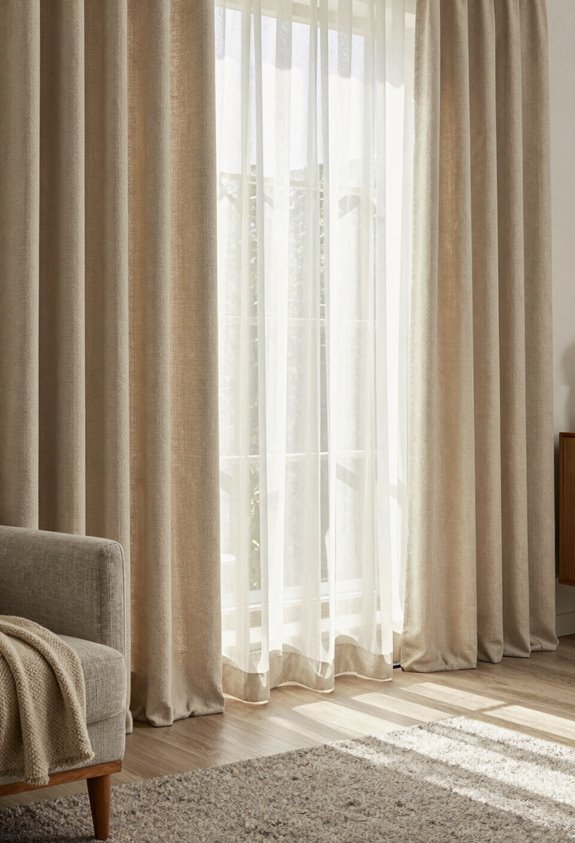
How do you measure for back tab curtains so they look incredible instead of awkwardly bunched or tragically skimpy? Start with your rod length as your foundation. Measure from one end to the other, then multiply by 1.5 to 2 for that gorgeous gathered look. Using two panels? Aim for combined panel width equaling twice your rod length for perfect fullness. Next, measure your window’s length. Start at the rod’s top, then decide where you want them ending: above the floor, kissing it, or pooling dramatically past it. Don’t forget those fabric tabs behind the header. They’ll affect how your panels drape, so account for that when calculating panel width. Properly measuring these elements ensures your curtains will hang with the fullness and proportion you want.
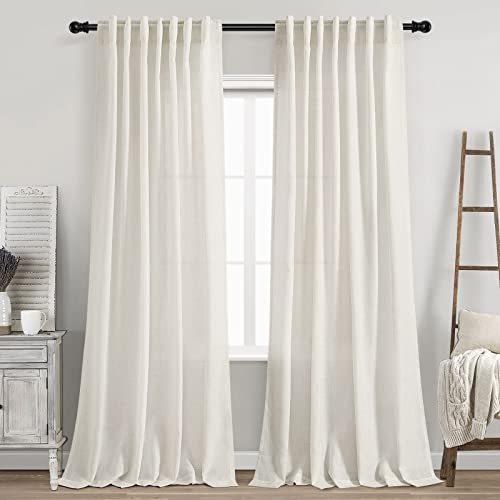
READY MADE: 2 Linen Curtain Panels per package.Each panel measures 52 inches wide by 84 inches long. Top design of Back tab & loop pocket provide 3 hanging options. <1> hanging from the back patch to create an elegant pleated look, <2> from the 3 inch rod pocket for a classic look <3> Hanging with clip rings for easy, slide open and closed (clip rings are not included)

WELL MADE: Sold as 2 panels, each panel is W52" x L84", and W104" x L84" in total. Each curtain panel has 2-in-1 top style design: rod pocket and back tab. With 3-inch inner diameter fit most standard rod. Curtains also can be hung with clip rings. 3 ways meet your various needs.
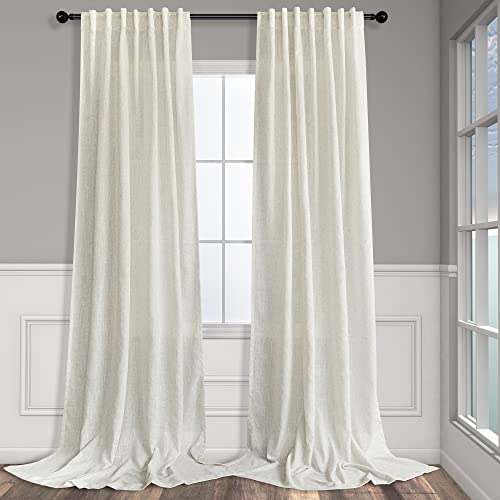
Basic Information: 2 LINEN PANELS in 1 package. Each panel measures width 52 x 84 length. 3-Way Hanging Options: Hang these curtain panels (1) using the back loops to create an elegant pleated effect, (2) from the 3 inch rod pocket for a classic look, or (3) using clip rings for easy, slide open and closed (clip rings are not included)
Choose Lightweight Fabrics and Colors That Complement Your Space
| Fabric Type | Best For |
|---|---|
| Sheers | Filtering light beautifully |
| Cotton blends | Durability plus elegance |
| Linen | Tailored, crisp looks |
| Voile | Airy, floating appearance |
| Lightweight synthetics | Easy care and drape |
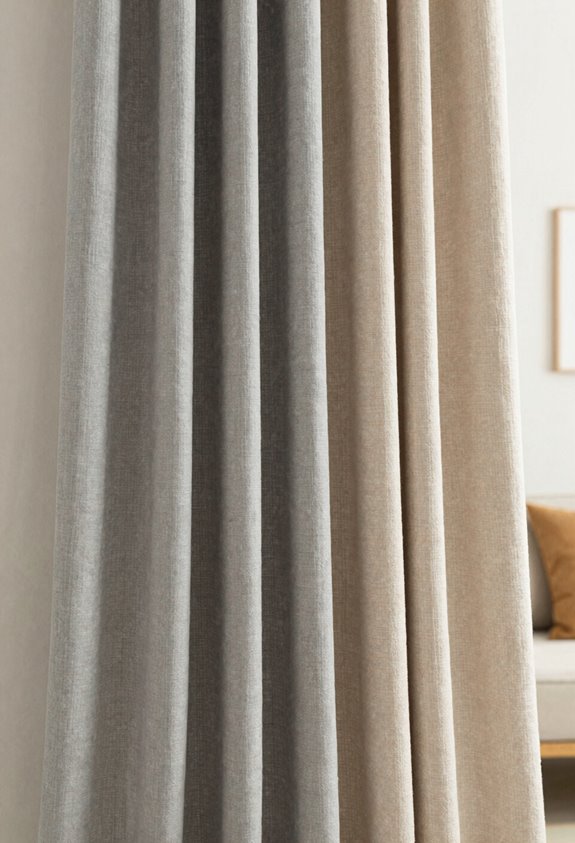
Neutral tones work best for window treatments. Whites, creams, and soft grays enhance your space without demanding visual attention. Pair these with your existing décor, and your room will feel intentional and polished. Thoughtful fabric and color choices create a cohesive interior design.

READY MADE: 2 Linen Curtain Panels per package.Each panel measures 52 inches wide by 96 inches long. Top design of Back tab & loop pocket provide 3 hanging options. <1> hanging from the back patch to create an elegant pleated look, <2> from the 3 inch rod pocket for a classic look <3> Hanging with clip rings for easy, slide open and closed (clip rings are not included)

LINEN CURTAINS 96 INCHES LONG: These stylish and elegant white curtains are the perfect addition to any living room. Made from high-quality 30% linen and 70% polyester(Tips: 100 percent linen is a no-no for draperies. 30% linen and 70% polyester fiber can maintain the best filtering effect and durability of curtains, as well as the texture of the product.)

MULTIPLE HANGING: Sold per pair, including 2 window panels - Panel measures: 52 x 84 - inches | Set measures: 104 x 84 - inches, with 3 curtain top hanging options (Back tab & Rod pocket & Pleated) for your personalized style. Each panel sewn with 4" rod pocket (7 back loops), 2" bottom hem and 0.8" side hem, specialized fitting the curtain rods up to 3
Select the Right Rod and Hardware
What makes back tab curtains work effectively? It’s all about choosing the right rod and hardware setup. Grab a decorative rod with a diameter between 1 to 1.5 inches. Anything thicker and your tabs will bunch up like an accordion. Smooth metal rods are your best choice here; they slide much easier than wooden ones. Space those tabs evenly, roughly every 6 inches, so you get those perfect, uniform pleats. Finally, mount everything securely on quality wall brackets. This hidden hardware approach creates that gorgeous floating effect, giving your space a polished, intentional appearance.
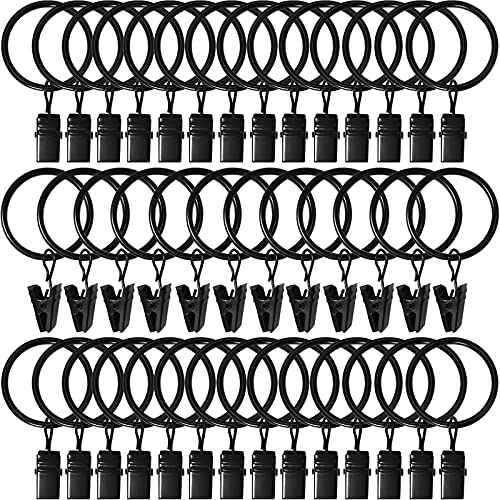
CURTAIN RINGS CLIPS PACKAGE: Set of 40 strong curtain rings with clips. Clip rings for curtains decorative drapery window.

Adjustable Length: 32-144" curtain rod fits windows 24 to 136 inches wide. The telescoping rod featuring a flexible 1 to 9 feet extension range for precise customization, while the adjustable heavy-duty brackets offer a 2.5" to 3.5" wall clearance to prevent curtains from rubbing against the wall and improve light blocking. ( Important Note: To ensure safe shipping, this rod consists of 9 segments that require assembly. It is not a single or 2-piece pole.)

Curtain Rod Tape: Experience seamless curtain movement with our curtain rod tape glide clear. This 1IN wide and 16FT long tape is designed to ensure your curtain rings slide effortlessly across curtain rod joints, eliminating the hassle of rings getting stuck. Perfect for daily use and curtain rod protection
Install Back Tab Curtains: A Step-by-Step Guide
Now that your rod and brackets are installed, insert the smooth metal rod directly through the back tabs. Skip the wood ones, as they will snag. Space those tabs evenly before mounting anything. This creates uniform pleats that make your space look intentional rather than chaotic.
| Step | Action |
|---|---|
| 1 | Insert metal rod through back tabs |
| 2 | Adjust tab spacing for even folds |
| 3 | Mount rod on sturdy brackets |
| 4 | Avoid frequent opening/closing |
Tab spacing works like arranging friends in a photo. Too bunched up looks awkward; too spread out feels off. Once everything is properly spaced, mount those brackets. Avoid yanking these curtains open constantly. They function best with minimal movement, which reduces wear on the tabs and fabric.

Ready Made: 2 panels of thick Linen curtains per package, and each measures 52"W (104"W for pair). Constructed with a back loop (2.3 inches) and rod pocket (3.3 inches), so you will get 3 hanging options. (clip rings are not included)

Thick Linen Blend: These thick linen curtains are crafted from a quality fabric of flax linen and polyester. This unique composition creates a balance of neutral rustic texture, airy lightness, and a substantial, sophisticated drape, adding a cozy yet refined vibe to modern farmhouse, boho, French cottage, or coastal inspired spaces

Rod Pocket & Back Tab & Pleated: Package includes 2 linen window panels - Panel measures: 42 x 72 - inches | Set measures: 84 x 72 - inches, with 3 curtain top hanging options: basic rod pocket top allows for a modern touch while back loops add an elegant flair. Or using clip rings for easy, slide open and closed (clip rings are not included)
Avoid Common Installation Mistakes
Most folks mess up back tab curtains in a handful of predictable ways. You’ll regret skipping the header style check before ordering. Wrong choice and your whole aesthetic suffers. Next, don’t eyeball your pleats spacing. Those tabs should hit roughly every 6 inches for that gorgeous, uniform look. Uneven gaps make your curtains look sloppy.
Another mistake is using a wimpy curtain rod that can’t handle the friction. Choose smooth metal instead. Also, measuring wrong matters significantly. You need 1.5 to 2 times your rod width for proper gathered fullness, not less. Rushing installation is a common error. Insert your rod slowly, adjust spacing before mounting brackets, then step back to verify proper installation.

3-Way Hanging: 1) Trending Modern Back Tab Look - Features hidden back loops on the curtain rod, concealing the hardware. 2) Classic Pleated Look (not pinch pleat) - Achieved with the 3-inch rod pocket of the curtain header. 3) Simple Casual Clips Look - Uses clips directly on the curtain header for a relaxed style. 2 LINEN PANELS in 1 package. Each panel measures 52 inch wide by 84 inch long

ELEGANT: The Catarina curtain panels offer both the function of a sateen woven room darkening blackout curtain paired with the fashion of a sewn in sheer panel for layered sophistication

Three Hanging Options: Includes 2 tier curtain panels, each measuring 38"W x 36"L, for a total width of 76 inches. Hang them through the hidden back tabs for clean, even folds, use the rod pocket for a softly gathered look, or add clip rings for a casual style. Curtain rod and clip rings are not included. For a fuller look, choose a total curtain width 1.5 to 2 times your window width.
Keep Your Back Tab Curtains Looking New
Your back tab curtains are an investment that will reward you with years of that sleek, tailored look if you treat them properly. Longevity comes down to smart maintenance habits. Here’s what keeps them looking fresh:
- Use a smooth rod; friction is the enemy of those fabric loops
- Choose lighter-to-midweight fabric to avoid stressing the tabs
- Open and close gently, avoiding forceful yanking that strains stitching
- Dust regularly with a soft cloth to prevent buildup
Fabric weight significantly impacts tab durability. Heavy drapes will damage your tabs faster than lightweight options. Keep your rod diameter under 2 inches, stick with maintenance, and your back tab curtains will stay looking architectural and pristine for years.
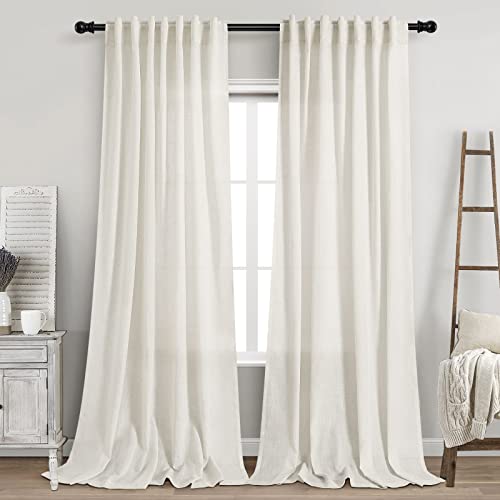
READY MADE: 2 Linen Curtain Panels per package.Each panel measures 52 inches wide by 102 inches long. Top design of Back tab & loop pocket provide 3 hanging options. <1> hanging from the back patch to create an elegant pleated look, <2> from the 3 inch rod pocket for a classic look <3> Hanging with clip rings for easy, slide open and closed (clip rings are not included)
READY MADE: 2 Linen Curtain Panels per package.Each panel measures 52 inches wide by 90 inches long. Top design of Back tab & loop pocket provide 3 hanging options. <1> hanging from the back patch to create an elegant pleated look, <2> from the 3 inch rod pocket for a classic look <3> Hanging with clip rings for easy, slide open and closed (clip rings are not included)
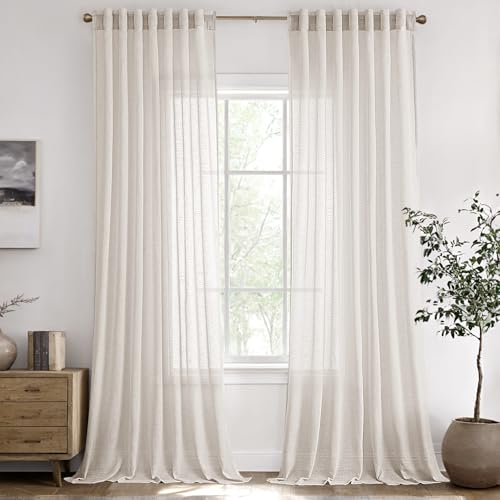
Packages: Includes 2 linen sheer panels, each panel is W52" x L90", and W104" x L90" in total. To achieve a nice pleated effect when the curtains are closed, the width of the curtains should be greater than twice the width of the window. The length of the curtains should be greater than the height of the window.
Back Tab Curtains for Modern, Traditional, and Transitional Spaces
Back tab curtains work well in modern, traditional, and transitional spaces. Whether you’re pursuing a minimalist modern aesthetic with hidden hardware, a formal traditional style, or a transitional approach, these tabs provide clean lines and a tailored appearance that makes your space feel intentional. They adapt to your style without requiring constant maintenance, so you can install them once and let them function as intended.

BASIC INFORMATION:This package includes 4 curtain panels each measuring 42 x 84 inches.This curtain offers multiple hanging options: use the built-in rod pocket for a streamlined look, the discreet back tabs for an adjustable pleated effect, or easily pair it with clip rings for effortless operation (clip rings sold separately).Please allow 1~2cm deviation because of hand-cutting and sewing.

【Packing Details】1 Package of INOVADAY linen blackout curtains contain 2 panels. Each panel measured width 50 x 96 length (Inches). Solid color, casual style and linen texture room darkening curtains will complement the decor of any room, which is perfect for modern rustic farmhouse, country chic, rustic or classic traditional room style

Basic Information: Includes 2 curtain panels, each measuring 50 inches wide for a total of 100 inches. Easy care for machine washable in cold water, do not bleach, tumble dry low, iron on low heat if needed.
Modern Minimalist Aesthetic
Why do back tab curtains feel like the covert tool of interior design? They’re the secret weapon for nailing that minimalist aesthetic you’re craving. I’m obsessed with how they deliver:
- Zero visible hardware cluttering your walls
- Smooth folds that cascade like architectural pleats
- A floating effect that makes windows feel bigger
- Clean lines that whisper sophistication
Back tab curtains create this streamlined vibe without screaming “look at me.” They work best on drapery poles, not tracks, with tabs spaced roughly every 6 inches. You’ll get those consistent, uniform gathers that make your space feel intentional and curated. Once you experience how these tabs transform your room, you’ll recognize why switching makes a difference. They deliver the minimalist aesthetic through functional design rather than decorative elements.
Traditional Formal Settings
Back tab curtains work beautifully in traditional formal settings. When styling a formal living room, these curtains create tailored pleats that convey elegance. The hidden hardware disappears completely, allowing your drapery header to vanish behind the fabric loops. This creates a sophisticated look without excessive fussy details. The evenly-spaced tabs, positioned roughly every 6 inches, create uniform folds that appear intentional and polished. Guests will see perfectly hung panels creating an architectural statement, with the mounting mechanism completely concealed. For a timeless, tailored aesthetic, back tab curtains deliver sophistication with refined styling.
Transitional Style Versatility
When you’re caught between loving sleek, modern vibes and classic traditional charm, back tab curtains serve as an excellent solution for transitional spaces.
- They blend minimalist aesthetics with timeless elegance effortlessly
- Installation is straightforward, just mount brackets and slide the rod through fabric loops
- Lightweight fabrics work best, preventing sagging and maintaining crisp pleats
- Styling flexibility means you’re not locked into one design direction
You get clean lines that convey sophistication without appearing overly trendy. The evenly spaced tabs, about every 6 inches, create uniform folds that feel tailored and intentional. Whether your space leans modern or traditional, back tab curtains meet you halfway, making them the perfect bridge between design worlds.