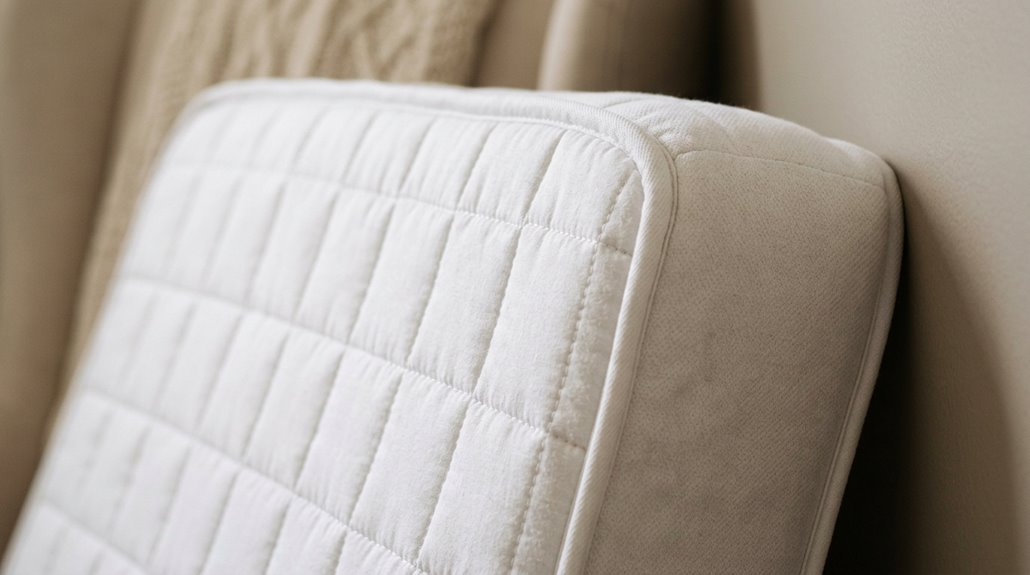
Standard crib mattresses measure 28 inches wide by 52 inches long. You must measure your crib’s interior because gaps bigger than an inch between the mattress and sides create serious entrapment risks for your baby.
The mattress shouldn’t exceed 6 inches tall. A snug fit is essential for safety. Continue reading for the full breakdown on testing that fit properly.
What Are Standard Crib Mattress Dimensions?
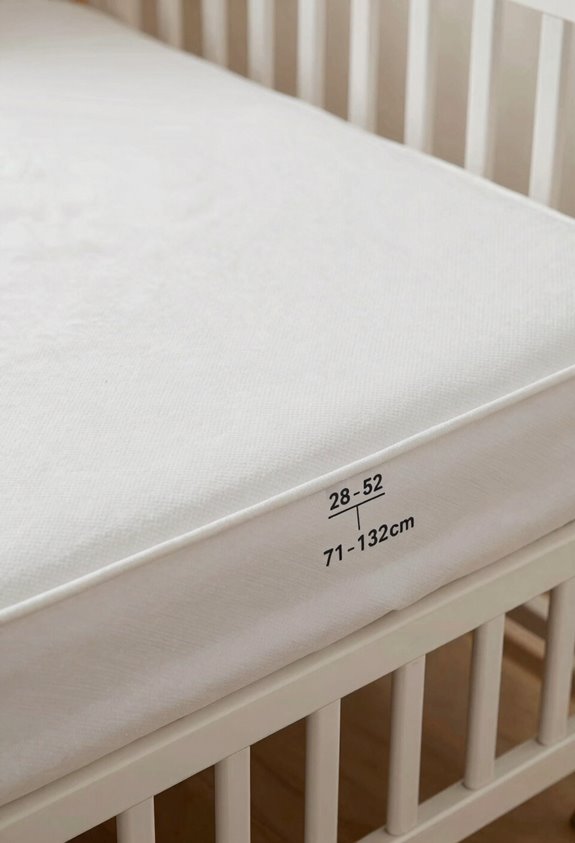
What Are Standard Crib Mattress Dimensions?
Standard crib mattress dimensions are 28 inches wide by 52 inches long, with a tolerance of plus or minus 5/8 inch. Minimum safe dimensions are 27 1/4 inches wide by 51 5/8 inches long. Mattresses that are too small create dangerous gaps, while those that are too large won’t fit properly. Your crib mattress shouldn’t exceed 6 inches in height.
When shopping, check the actual interior crib dimensions and product specifications rather than shipping measurements. Verifying these measurements prevents fit problems and safety issues.

【No Seams - Fits all 54 "x29.5" cribs】We use hand sewing techniques to provide a tight fit to the crib every time. No risk of unsafe space or losing pacifiers, toys on either side or corner of your crib. And this comfortable Crib & Toddler mattress meets 16-CFR-1633,16-CFR-1632,16-CFR-1241 standard.

NON-TOXIC, OEKO-TEX STANDARD 100 CERTIFIED COVER: Tested against a list of 1,000+ harmful substances, the soft cover is non-toxic and gentle on a newborn's delicate skin — safe for your baby and family. Best for parents who want a chemical-screened sleep surface from day one.

Better & Safety Sleep: Our crib mattress has undergone thorough independent testing to craft a design that significantly reduces the risk of suffocation and overheating. As parents, we understand. We know your baby's safety comes first and we know how much you want to give them a proper start. We always prioritize your baby's health and safety. The safest and most comfortable sleep option for your baby.
Measure Your Crib’s Interior
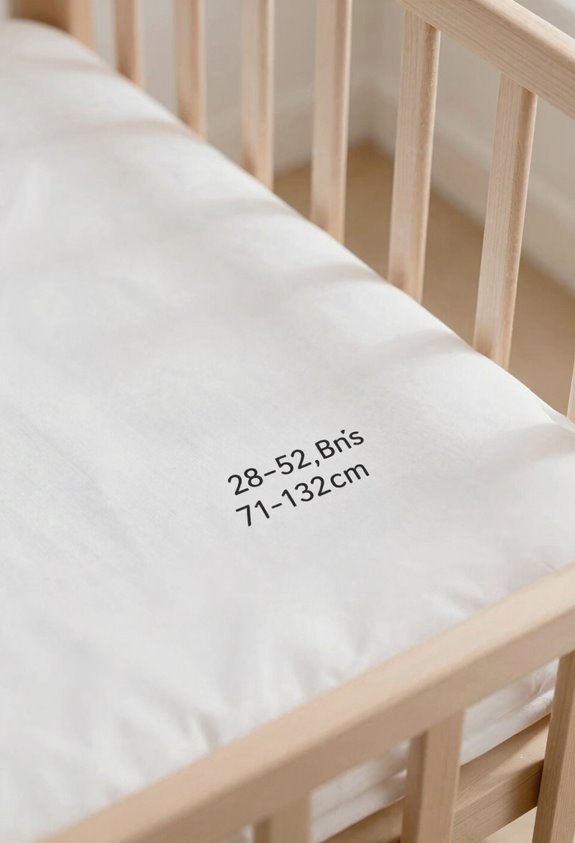
How do you know if your mattress will actually fit your crib? Measuring your crib’s interior dimensions is essential. Here’s what you need to do:
- Grab a tape measure and check your crib’s width and length inside
- Compare those numbers against standard dimensions of 28 inches wide by 52 inches long
- Look for gaps between the mattress and crib sides; anything larger than about 1 inch is a red flag
Your mattress size needs to fit snugly. If your crib’s interior differs from standard measurements, don’t guess. Contact your crib manufacturer for exact guidance. A few minutes measuring prevents problems later. Getting the mattress size right keeps your baby secure and comfortable.

Flexible Fit: Fits mattresses up to 6 inches thick with deep pockets for security.

DESIGNED FOR DEEPER, SAFER SLEEP. Because your baby’s comfort is more than just rest. It’s development, bonding, and peace of mind from the very first night. The Little Dreamer crib mattress promotes healthy sleep with a hypoallergenic cover and supportive materials designed to cradle your infant securely.

DUAL-SIDED CRIB MATTRESS IN A BOX: Free of fiberglass, free of chemical flame retardants; Fits any brand of standard full-size crib and toddler bed; Allow baby crib mattress to expand fully immediately upon delivery in a room temperature setting for up to 48 hours
Why Snug Fit Prevents Entrapment and Rolling Hazards
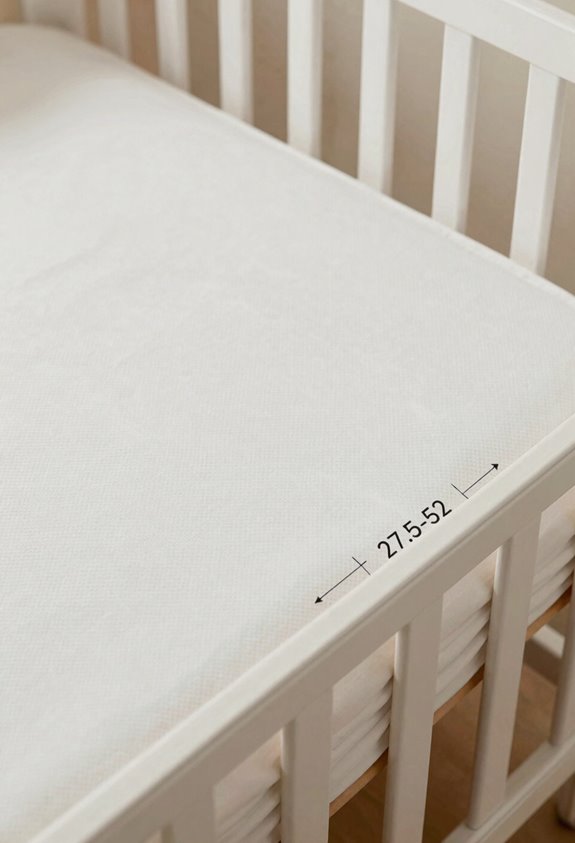
A snug mattress fit is critical because a loose mattress creates dangerous gaps where your baby could get stuck. You want no more than about 1 inch of space between the mattress and crib walls. A loose mattress invites entrapment hazards. Your baby could roll into that gap and get wedged. A snug fit keeps everything secure and predictable. Those 28-by-52-inch dimensions are engineered specifically to minimize squeeze points. When the mattress fits properly, you eliminate rolling hazards that could trap tiny limbs or cause serious injury. Proper mattress fit reduces the risk of entrapment and allows your baby to sleep safely throughout the night.

General Note: Please allow 24 - 72 hours for your Mattress to regain its full shape. Any memory foam will expand faster in a warmer room. In cold temperature, at delivery, your mattress may take a bit longer to return to full sized from its compressed state.The expansion time of the mattress will vary as per the surrounding.
Fitted Sheet - King size Fitted Sheet by Utopia Bedding measuring 78 by 80 inches with a 15 inches deep pocket that fits over-sized mattresses up to 15 inches deep and designing that complements your bed set quite well

Fitted Sheet - Queen size Fitted Sheet by Utopia Bedding measuring 60 by 80 inches with a 15 inches deep pocket that fits over-sized mattresses up to 15 inches deep and designing that complements your bed set quite well
The One-Inch Rule: Why Bigger Gaps Are Dangerous
you’ve got your baby sleeping soundly, the mattress looks fine to you, but there’s actually a 2-inch gap between the edge and the crib wall. That gap is dangerous.
Here’s why a snug fit matters:
- Tiny limbs can get stuck in gaps larger than one inch, causing serious injury or entrapment
- Your baby might roll into the space, creating suffocation hazards you didn’t anticipate
- Loose bedding can shift into gaps, increasing SIDS risk significantly
You’re tired, and the mattress seems close enough. The one-inch rule exists because gaps create real hazards. A properly snug fit keeps your baby safe while sleeping. Gaps are danger zones that require prevention. Stick with minimum dimensions of 27¼ by 51⅝ inches to protect your child.

WATERPROOF COVER: Waterproof for easy cleaning | Pattern on mattress cover may vary | Fiber core made from recycled bottles delivers ideal firmness level while helping save over 300 bottles from the landfill

100% Waterproof: This pad is made of high quality TPU waterproof membrane that repels all other liquids, including fluids, perspiration, bed wetting, and stains.
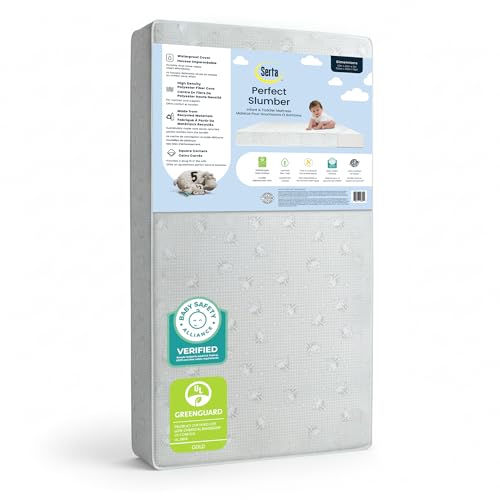
SAFEST OPTION: Non-toxic construction is free from harmful materials/chemicals; Meets or exceeds flammability, lead, phthalate and CPSIA testing and does not contain toxic fire retardants.General Note: Please allow 24 - 72 hours for your Mattress to regain its full shape. Any memory foam will expand faster in a warmer room. In cold temperature, at delivery, your mattress may take a bit longer to return to full sized from its compressed state.The expansion time of the mattress will vary as per the surrounding
Does Your Crib Use Standard Dimensions?
Most cribs follow standard measurements of 28 inches wide by 52 inches long on the inside, with a tolerance of 5/8 inch. However, some manufacturers produce non-standard dimensions. If your crib measures smaller or larger than standard, contact the crib manufacturer directly rather than guessing.
Selecting incompatible mattresses creates dangerous gaps or poor fit. Confirming compatible mattress sizes with the manufacturer takes five minutes and prevents safety issues. Check those standard dimensions first, then reach out if needed. Your baby’s safety depends on proper mattress fit.

Healthy Support: GREENGUARD Gold certified crib mattress; Tested for low chemical emissions; Creates a cleaner sleeping environment for newborns and infants; Meets stringent safety standards; Pediatrician recommended design

【Safety Certificate】This baby crib mattress meets the flammability, lead, phthalate testing standards and (CPSIA) requirements. It does not contain any toxic flame retardants and meets the standards set by federal regulations 16 - CFR - 1633, 16 - CFR - 1632 and 16 - CFR - 1241, providing your baby with a worry-free and safe sleeping environment.

Dual-Sided Design - Thoughtfully designed with an extra-firm side recommended for infants to support safe sleep and a cushioned toddler side for growing comfort. Features a soft, breathable 3D mesh cover and a 3" polyester core fiber padding that provides consistent support from newborn through toddler years.
Non-Standard, Mini, and Oval Cribs: When Standard Doesn’t Apply
If your crib doesn’t match those 28″ x 52″ measurements we just talked about, you’re not alone. You’ve got options, and they’re manageable.
- Mini cribs rock a 24″ x 38″ mattress size, perfect for smaller spaces or co-sleeping setups
- Oval or specialty cribs need custom mattress sizes, so verify your interior measurements first
- Vintage cribs are wildcards; manufacturers rarely standardized back then, making exact specs essential
Finding the right mattress size requires careful measurement. Measure your crib’s interior dimensions yourself. Don’t trust shipping measurements or guesses. Compare those numbers directly to mattress specifications. This prevents annoying gaps and squeeze points that compromise safety.

Standard Size Crib Mattress: Measures 52 x 27.5 inches, perfectly compatible with all standard cribs and toddler beds. NOT FOR TWIN/TWIN XL/ FULL SIZE BED.

SAFE & CERTIFIED MATERIALS: OEKO-TEX STANDARD 100 certified cover & CertiPUR-US certified memory foam; fully CPSC certified; free from harmful chemicals for a healthier, safer sleep environment for your baby.

GROWS WITH BABY: Dual-sided crib mattress features a firm infant side (0–12 months) and a cushioned toddler side (12 months+), providing long-lasting comfort, proper support, and a safe sleep surface as your baby transitions from newborn to toddler stage.
Foam vs. Spring: Core Material Differences Explained
What’s inside your crib mattress matters significantly when it comes to both comfort and durability. When you’re picking between foam and spring cores, you’re choosing between two different construction types with distinct advantages.
| Feature | Foam Core | Spring Core |
|---|---|---|
| Material | High-density polyurethane foam | Metal coils with padding |
| Weight | Lightweight, easy to handle | Heavier, more durable |
| Lifespan | Shorter wear life | Lasts longer with use |
| Safety Fit | Snug in standard cribs | Maintains snug fit reliably |
Foam’s lightweight design makes diaper changes at 3 AM easier to manage. Springs will outlast your child’s crib phase by several years. Both meet safety standards for snug fit and height under 6 inches. Your choice depends on whether you prioritize convenience or longevity.

🛡️ Validated Safety Requirements: TEQSLI Crib Mattress is OEKO-TEX Standard 100, CertiPUR-US and CPSC approved, free from fiberglass and chemical flame retardants, ensuring it meets the top safety requirements for your little one's health and well-being

SOFT & BREATHABLE MUSLIN: Made from 100% cotton muslin, this lightweight crib sheet feels soft against delicate skin while providing breathable comfort for everyday nursery use.

88 interwoven, heat tempered coils
Dual-Sided Mattresses: Infant and Toddler Firmness Levels
Dual-sided mattresses are designed with two firmness levels in one product, which saves money and space for growing babies. You get:
- Infant side—super firm for maximum support and safety during those first months
- Toddler side—gradually softer to match your child’s changing comfort preferences
- Same dimensions on both sides (roughly 27.25–28 inches by 51.5–52 inches), just different vibes
When you flip to the toddler side, you’ll notice the difference immediately. The mattress maintains standard size, but the softer support feels more inviting for older kids. Verify both sides fit snugly in your crib with minimal gaps, as safety is essential.
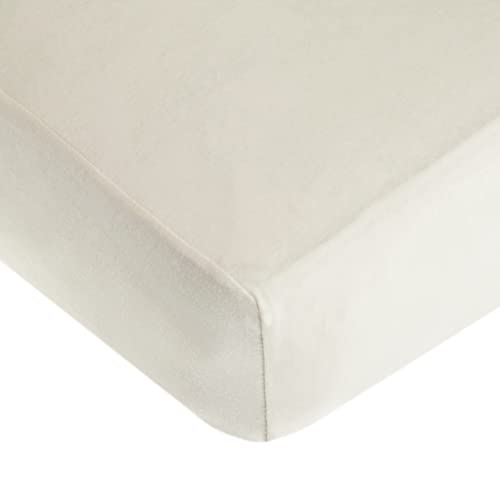
Perfect Fit & Secure Coverage: Made from 100% Cotton Jersey and measuring 28” x 52” with a depth of 9 inches, our crib sheets snugly fit most standard crib mattresses and toddler bed mattresses.

Fitted Sheet - Full size Fitted Sheet by Utopia Bedding measuring 54 by 75 inches with a 15 inches deep pocket that fits over-sized mattresses up to 15 inches deep and designing that complements your bed set quite well

Fitted Sheet - King size Fitted Sheet by Utopia Bedding measuring 78 by 80 inches fits upto 15 inches deep pocket, designed in a way that complements your bed set
Crib Mattress Height: Why 6 Inches Limits Climbing Escapes
Why does a seemingly small detail like mattress height actually matter so much? When your little one starts standing and testing boundaries, a mattress that’s too tall becomes a climbing hazard. That’s why crib mattresses must not exceed 6 inches in height, seam to seam. This restriction significantly limits climbing escapes and reduces fall risks as your baby grows.
| Safety Concern | Why It Matters |
|---|---|
| Climbing Risk | Taller mattresses create easier escape routes |
| Fall Prevention | Lower height means shorter tumbles |
| Snug Fit | Prevents gaps between mattress and crib sides |
| Safe Entry/Exit | Maintains accessibility for caregivers |
| Squeeze Points | Reduces entrapment hazards |
Standard crib dimensions (28″ x 52″) require that snug fit. Verify your mattress height before bringing it home to ensure compliance with safety standards.

GREENGUARD GOLD CERTIFIED: Tested for more than 10,000 chemicals and VOCs, this crib mattress is certified to contribute to cleaner indoor air and meets the most stringent...
Testing Your Mattress Fit: The Two-Finger Gap Test
The two-finger gap test ensures your crib mattress fits snugly, eliminating dangerous squeeze points and entrapment risks.
You’ve got the right mattress size on paper, but does it actually fit snugly in your crib? The two-finger gap test is essential for ensuring your baby’s safety.
Here’s how to check yours:
- Run your fingers along all four sides between the mattress and crib wall
- You’re aiming for roughly 1 inch of space, basically a two-finger width gap, max
- If you can squeeze more than two fingers in there, your mattress isn’t snug enough
Minimal gaps eliminate dangerous squeeze points and entrapment risks. This simple test prevents injury by ensuring your baby cannot become trapped between the mattress and crib wall during sleep.
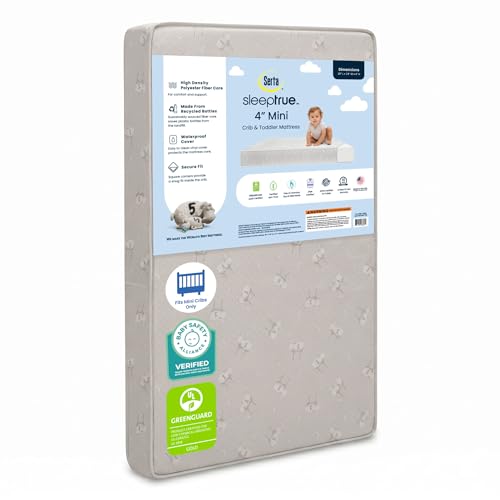
FITS MOST MINI & PORTABLE CRIBS: This crib mattress fits most mini cribs and portable cribs; mattress measures 38"L x 24"W x 4"H (not designed for standard cribs or pack 'n plays) | Measure your crib first to ensure a perfect fit.General Note: Please allow 24 - 72 hours for your Mattress to regain its full shape. Any memory foam will expand faster in a warmer room. In cold temperature, at delivery, your mattress may take a bit longer to return to full sized from its compressed state.The expansion time of the mattress will vary as per the surrounding
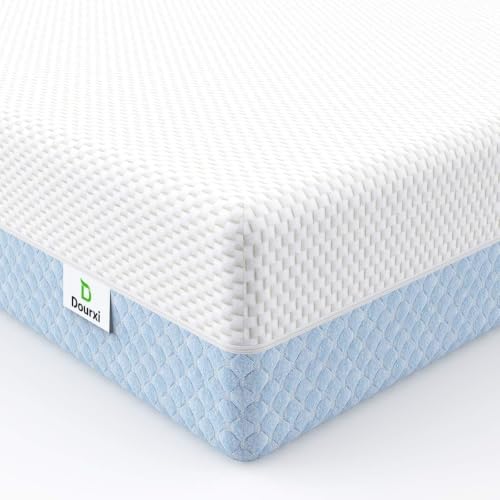
【Dual Comfort Crib Mattress】 Thoughtfully designed with safety and comfort in mind, the crib mattress comes with dual firmness - firmer, flat and even surface promotes proper support for infant, slightly softer memory foam side provides maximum comfort for toddler

THE MATTRESS THAT GROWS WITH THEM | Dual-Sided Baby Pad Features Ventilated, Breathable Dual Layers, Providing a Firm Surface for Newborns & Soft, Moldable Memory Cooling Foam Gel for Toddlers | Give Your Tot the Comfort, Safety & Support They Need for a Restful Night’s Sleep | Standard Crib Size 52”x27.5”x5.5”
Crib Mattress Safety Certifications to Verify
When selecting a crib mattress, verify Flammability Standards compliance. This certification ensures the mattress will not ignite if exposed to heat sources, which is essential for your baby’s sleep environment. Additionally, look for GREENGUARD Gold Certification, which confirms the mattress has been tested for harmful chemicals and off-gassing. The new-mattress smell often indicates chemical emissions, so this certification verifies your baby will not be exposed to toxic substances. These certifications provide documented evidence that the mattress meets established safety standards.
Flammability Standards Compliance
Crib mattress safety requires verification of federal flame-retardant requirements. These standards exist to protect your child.
Here’s what you need to verify:
- 16-CFR-1633, 16-CFR-1632, and 16-CFR-1241 compliance. These federal regulations mandate flammability standards that your mattress must pass.
- GREENGUARD Gold certification. This signals low emissions and non-toxic materials, meaning no flame-retardants of concern are present inside.
- Product labeling verification. Always check manufacturer documentation confirming ASTM and federal requirements for crib use.
Your mattress choice directly determines whether harmful additives stay away from where your baby sleeps every night.
GREENGUARD Gold Certification
While those federal flammability standards keep the big chemical fires at bay, there’s another layer of protection you’ll want to consider. GREENGUARD Gold Certification focuses on what your baby’s actually breathing in every single night. This certification means those crib mattresses have passed super strict indoor air quality tests that go way beyond basic requirements. We’re talking low emissions, reduced chemical off-gassing, the whole deal. GREENGUARD Gold is actually more stringent than standard GREENGUARD, providing additional assurance. When you’re shopping, look for manufacturers displaying this certification on packaging or product documentation. It’s your signal that someone’s genuinely prioritizing your baby’s air quality without cutting corners.
Using the Same Mattress When Transitioning to a Toddler Bed
Since a standard crib mattress measures 27¼ inches wide by 51⅝ inches long, it’s the exact same size toddler beds use. Consider these recommendations:
A standard crib mattress measures 27¼ inches by 51⅝ inches—the exact same size toddler beds use.
- Keep that same mattress if it’s still firm and in solid condition
- Stick with familiar bedding to preserve your child’s sleep routine
- Ensure snug fit with zero gaps between mattress and frame
This approach saves money while maintaining consistency during transition. Your child’s growing spine needs that firm support, so skip pillow-top options. Reusing your standard crib mattress provides both comfort and stability when your child needs it most.