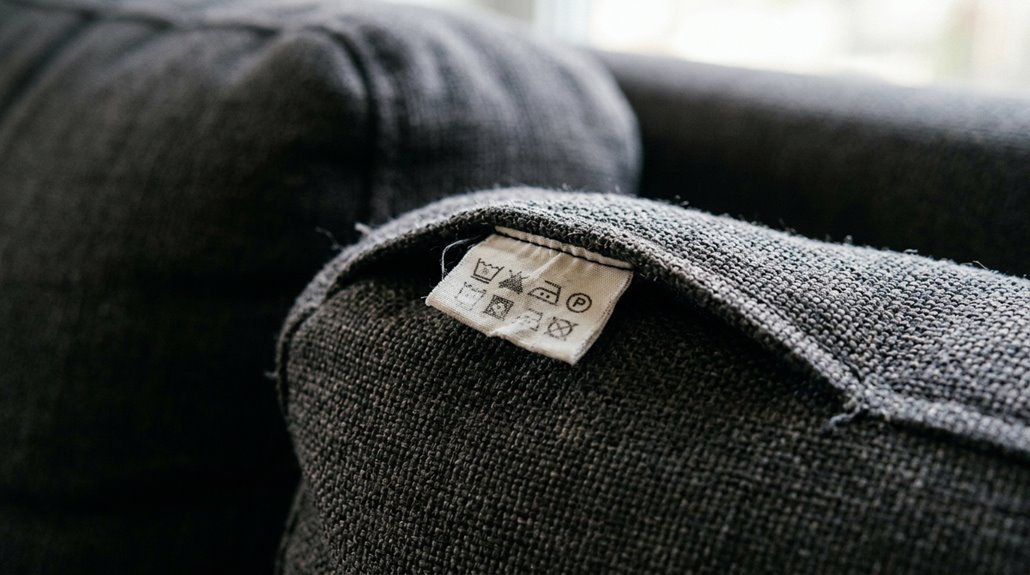
Your couch’s cleaning code is located on a fabric tag sewn into the frame’s inner edges. Lift the seat cushions and check underneath, then inspect along the frame. If the tag is missing, flip the couch and check the bottom. If you still cannot locate it, find your couch’s model number from your paperwork or the manufacturer’s website.
Once you have the code, W, S, WS, or X, you can prevent hundreds of dollars in damage. Each code indicates the appropriate cleaning method for your furniture.
Understanding the Four Main Upholstery Cleaning Codes
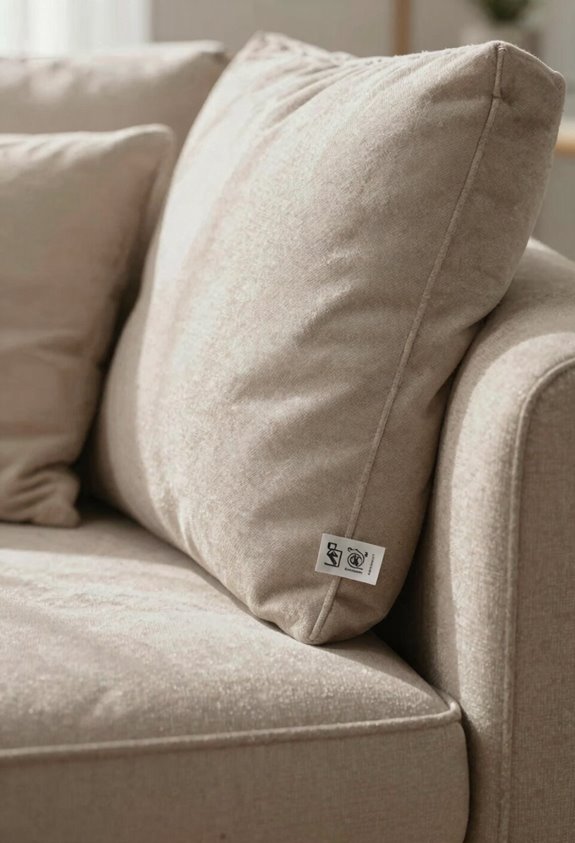
Ever wondered what those mysterious letters hiding on your couch tag actually mean? Those little codes are your cleaning roadmap. There are four main upholstery cleaning codes you’ll encounter: Code W means water-based cleaning is appropriate for spot-cleaning with detergents. Code S indicates solvent-only territory, such as dry-cleaning fluids with no water allowed. Then there’s WS or SW, which indicates you have options but must proceed with caution. Finally, Code X is the ultimate hands-off warning; vacuum only and do not use liquids. Understanding these codes prevents damage and keeps your couch looking fresh. They’re not random letters; they’re your furniture’s care instructions, telling you exactly what will work without causing damage.

OXI POWERED CLEANING ACTION: Enhanced with an active oxidizing formula that lifts and breaks down deep-set stains. Delivers a more effective clean by targeting tough spots at the molecular level

StainLift Technology. Lift and remove deep down dirt, stains and odors.

OXY-POWERED CLEANING: Tackle everyday upholstery messes with our powerful Upholstery Cleaner. Its oxy-powered formula delivers powerful spot cleaning to help lift tough stains, even up to 7 days old, so your home stays fresh, clean-looking, and ready for guests, family time, and daily life on the go
What Does W Mean? Water-Based Cleaning
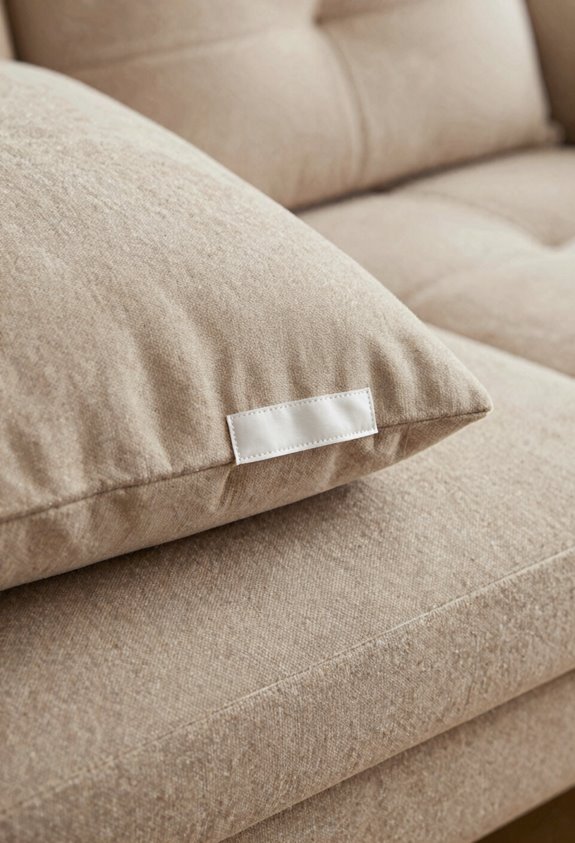
If you spot a W on your couch’s tag, water-based solutions are appropriate for cleaning. Synthetic fabrics like polyester and nylon can tolerate moisture, so you can use a foaming cleaner or hire professionals with truck-mounted extraction equipment. Avoid over-wetting the fabric, test your cleaner on a hidden spot first, and proceed with either a DIY approach or professional help.

MADE FOR CODE S FABRICS: When the care tag says S or Dry Clean Only, a water-based cleaner is the wrong tool. This solvent-based formula is built for those fabrics, including silk and synthetic upholstery, draperies and fine clothing.

Powerful Stain & Dirt Removal: Carpet Bomber is a high-performance carpet and upholstery cleaner that effortlessly lifts tough stains from fabric, vinyl, and upholstery. Designed to penetrate deep into fibers, it removes dirt, grease, and grime, restoring your vehicle’s interior to a like-new condition

Powerful Stain & Dirt Removal: Carpet Bomber is a high-performance carpet and upholstery cleaner that effortlessly lifts tough stains from fabric, vinyl, and upholstery. Designed to penetrate deep into fibers, it removes dirt, grease, and grime, restoring your vehicle’s interior to a like-new condition
Water-Based Solution Application
So what’s the deal with that “W” on your couch tag—does it actually mean anything useful. Absolutely. When you’re tackling water-based cleaning with upholstery codes, you’re getting permission to use actual water-based solutions. I’m talking foam cleaners, diluted dish soap, the works. You’ve got to test that stuff on a hidden spot first. Don’t skip this step. When you’re actually cleaning, blot instead of rubbing. Think gentle dabbing, not aggressive scrubbing. Avoid over-wetting because saturating your fabric will damage your couch’s underlying cushions. You want that fabric damp, not drenched. Stick to these rules and you’ll keep your couch looking fresh without accidentally wrecking it.
Synthetic Fabric Compatibility
Why does that “W” matter for your couch? It’s your cleaning permission slip. When you spot code W on your upholstery tag, you’ve got synthetic fabrics like polyester or nylon that can handle water-based cleaning.
Water-based cleaners and detergent foams work effectively on these materials without causing damage. You can use truck-mounted steam cleaners or portable extractors, giving you multiple cleaning options. However, don’t soak everything excessively. Blot those stains instead of rubbing, and always test hidden spots first.
The key to success is avoiding over-wetting so you don’t damage the backing. Let it air-dry thoroughly. Your couch will perform better with proper care.
DIY Cleaning Process Steps
Ready to tackle those couch stains yourself. If you’ve got a W code on your tag, you’re in luck. Start by testing your water-based cleaners on a hidden spot first to prevent damage. Mix a mild detergent solution, then work from the stain’s edges inward, blotting gently to protect the fabric. Avoid rubbing, as this can cause damage. Use minimal water because over-wetting damages the backing. After blotting, let air dry completely with good ventilation or a fan running. The W code indicates that synthetic fabrics are compatible with water-based cleaning, making this method effective for DIY cleaning projects.
What Does S Mean? Solvent-Based Cleaning
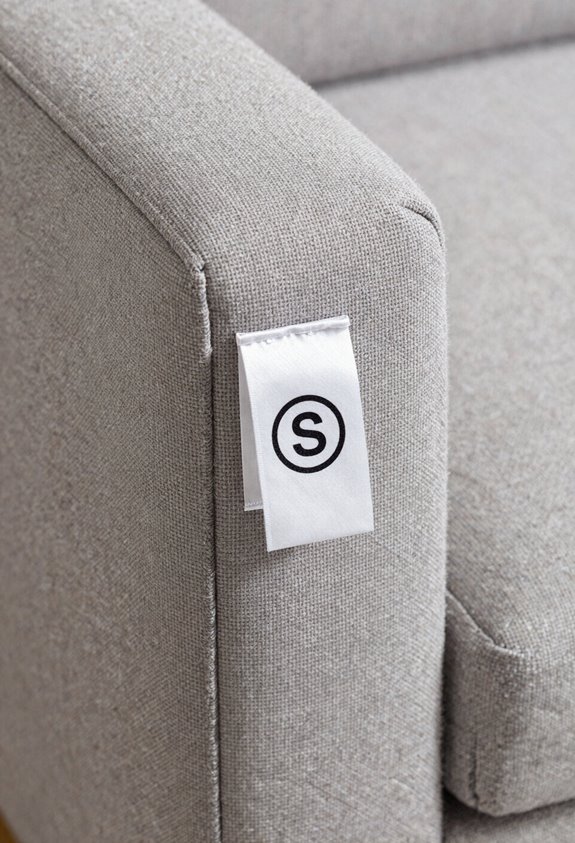
When you spot an “S” on your couch tag, water is not suitable for cleaning. Solvent cleaning uses special chemical cleaners instead of water. This process is similar to the dry-cleaning method used for delicate garments like blazers, but applied to furniture. You’ll want to use water-free spot treatments, keep areas well-ventilated, and consider calling a professional if you lack experience. Improper application can damage fabric or create safety hazards due to the flammable nature of these chemicals.

ADVANCED 3-STEP DEEP CLEANING FOR PET MESSES: Our powerful portable spot cleaner effortlessly lifts and locks away embedded dirt, grime, and stubborn pet stains. Featuring a professional 3-step system (Spray, Brush, and Suction), it tackles persistent messes, instantly eliminates odors, and restores your carpets, rugs, and upholstery to a fresh finish.

【POWERFUL 18KPA DEEP CLEANING SYSTEM】Unleash professional-grade cleaning power at home! The carpet cleaner machine H6 delivers an impressive 18KPA suction, tackling tough, ground-in stains,pet accidents, spilled drinks, muddy footprints with ease. It deeply cleans carpet fibers and upholstery,removes spots, stains, odors, and hair—perfect for pets, cars, and whole-home cleaning.
Solvent Cleaning Methods Explained
The letter S on your couch’s care tag indicates that water should not be used on the fabric. This means your fabric requires a dry-cleaning solvent rather than water-based cleaning methods. When dealing with S fabrics, you must use a special cleaning solvent instead of soap and water. These water-free products are designed specifically to clean without shrinking or damaging upholstery.
To apply solvent cleaning, crack open a window for ventilation, as solvents produce strong odors. Apply the solvent carefully to stains. Water-free solvents will preserve your upholstery’s condition.
Fabric Types Requiring Solvents
Now that you know solvent cleaning exists, let me break down what that S on your tag actually means and why it matters significantly. When you spot an S code, you’re looking at fabric that absolutely cannot handle water. Think of it like giving your couch a dry-cleaning treatment, because that’s exactly what it needs. These fabrics typically include delicate synthetics and specialty materials that will shrink, bleed, or change texture if exposed to water.
S fabrics demand dry-cleaning fluids or water-free solvents for spot cleaning. No exceptions. You must avoid water completely; it’s critical for your upholstery. Always test any solvent on a hidden area first. Good ventilation matters too. Proper solvent treatment prevents shrinkage, color bleeding, and texture damage to your couch.
Safety Precautions For Solvents
Why does safety matter so much when you’re working with solvents? You’re handling chemicals that demand respect. Solvent-based cleaners aren’t your average household products; they’re potent stuff that needs serious ventilation. You need open windows, fans running, and proper air circulation. Never use these near open flames or heat sources. When you’re spot treating your couch, apply the solvent sparingly. Don’t drench it excessively. Use only water-free products, and always work in well-ventilated areas away from your family. Keep those bottles sealed tight when you’re done. Proper ventilation minimizes inhalation exposure, protecting your lungs. Treat solvents with the respect they require by ensuring adequate space and fresh air during use.
What Does SW Mean? Combination Cleaning
Ever spotted “SW” on your couch’s tag and wondered what you’re actually supposed to do with it. SW means you have flexibility with cleaning methods. You can use water-based cleaners or solvents, making SW fabrics forgiving compared to fabrics with more restrictive care instructions.
Use this approach: tackle light dirt with mild soap and water, then switch to dry-cleaning solvent for stubborn stains. This gives you two cleaning options depending on the soil level. Always pre-test on hidden areas first. Color bleeding can occur, and unexpected discoloration is a real risk.
If your couch has significant soiling or staining, contact a professional cleaning service.
Lifts tough stains fast - spray on, let it dwell 30 to 60 seconds, then blot; make a second pass on set-in spots.

INSTANT RESULTS: No rinsing, vacuuming or waiting to see results; Spots vanish before your eyes; Amazing surfactant action – instantly removes stubborn grease, dirt and grime

WORKS ACROSS MANY SURFACES – It safely lifts stains from upholstery, carpets, rugs, and other water-safe, colorfast materials. The formula is water based, non-flammable, and odor free for worry-free cleaning anywhere in your home.
What Does X Mean? Vacuum Only
Unlike SW fabrics that give you cleaning flexibility, code X means your couch requires a vacuum-only approach. X-coded upholstery cannot be cleaned with water or solvents. Water or chemicals will damage your fabric through discoloration, shrinkage, or permanent damage.
Your cleaning-code X approach is straightforward. Vacuum regularly, including the surface and under cushions where dust accumulates. When you spot a stain, blot gently and vacuum loose dirt instead of using cleaning solutions. Your couch requires the same care as a vehicle that only accepts premium fuel; stick to what works.
When you need guidance beyond vacuuming, contact the manufacturer or a professional upholsterer. They will maintain your vacuum-only upholstery and keep it looking fresh.
FOAMING FABRIC CLEAN (CWS20316) – High-foaming carpet and car upholstery cleaner penetrates deep into carpet, upholstery, and floor mat fibers to lift dirt, debris, and stains for a restored, like-new appearance

Removes Both Oil & Water-Based Stains

Powerful stain removal: This upholstery foam cleaner removes stubborn stains without leaving residue, quickly restoring carpets to a pristine state.
Find Your Couch’s Care Tag
Finding that care tag requires checking under your cushions, along the frame’s seams, or in the documentation that came with your couch. This tag contains the cleaning information you need. Once you locate it, you’ll see letters like W, S, or X that indicate exactly how to clean your upholstery correctly and avoid damage.

Fabric safe brush safely cleans upholstery and carpet fibers
Formulated with Odor-X odor eliminator to help remove odors caused by pets, cigarette smoke, food and mildew

PENETRATES DEEP INTO FIBERS: ForceField Fabric Cleaner lifts the toughest soils and stains from water-safe upholstery, carpet and clothing. It works on fresh oil or water-based spills and everyday grime, and stubborn stains lift with a repeat treatment.
Where Tags Are Located
Your upholstery tag is hiding in plain sight. Check these spots:
- Under cushions: Lift those seat cushions up. The care tag often hangs right there, tucked beneath.
- Along the frame: Run your hand along the couch’s sides, back, or arms. You’ll find the tag sewn directly into the furniture frame.
- Bottom underside: Flip that couch. Tags sometimes sit on the underside where nobody usually looks.
Sometimes tags get worn or accidentally removed during cleaning. If this happens, grab your documentation or contact the manufacturer directly. Professional upholstery cleaners can also help you decode everything.
Reading The Care Instructions
Once you’ve tracked down that care tag, you’re ready to decode what it actually means. Those letters are your cleaning code roadmap. You’ll spot one of four letters: W, S, WS/SW, or X. Each one tells you exactly how to treat your couch without wrecking it.
W means water-based cleaning, so grab that carpet cleaner. S requires solvent-based products only, think dry cleaning vibes. WS or SW? You’ve got flexibility; either method works. X is the scariest one. It basically says, “Don’t even think about it.” Professional cleaning only.
Understanding your cleaning code prevents costly mistakes. It’s the difference between a fresh couch and a stained disaster. That little tag protects your furniture investment.
Where Care Tags Usually Hide
Finding a care tag on your couch can be challenging. Here’s where to look first:
- Underside of cushions – flip those puppies over and check for a small fabric tag sewn right into the seams
- Inner edges of upholstery – run your fingers along the frame’s inner edges where the fabric meets the structure
- Backside or zipper covers – sometimes that cleaning code hides in plain sight on the furniture’s back or inside a removable cover
If you’re coming up empty-handed, check your manufacturer’s care booklet or dig through the retailer’s product details online. That cleaning code, whether it’s W, S, WS, or X, is hiding somewhere. The information exists on the furniture or in its documentation.

The intense foaming action of the spray removes dirt without scrubbing

Waterless Carpet Foam Cleaner: Lift everyday dirt and small food or drink marks from compatible carpets and rugs without soaking the entire area. The no-rinse foam supports quick spot cleaning between full carpet washes

TRIPLE ACTION FORMULA: Advanced foam cleaner that cleans, refreshes, and eliminates stubborn odors from carpets and upholstery, featuring a convenient built-in brush for effective stain removal
No Care Tag? Here’s What to Do
If you’ve flipped your couch like a pancake and still can’t find that elusive care tag, you have options.
| Action | Why It Works | Next Step |
|---|---|---|
| Check manufacturer’s website | They have fabric cleaning code info | Search your exact model |
| Contact the retailer | They know your purchase details | Have your receipt ready |
| Hire a professional | They assess fabric safely | Gets you expert guidance |
Start by hunting down your sofa’s model number; check cushion covers, inner seams, or documentation you’ve kept. Then contact the manufacturer or retailer with that number and your purchase date. They’ll provide the fabric cleaning code you need.
If that fails, a professional upholstery cleaner can evaluate your fabric and determine safe cleaning methods.
Check the Manufacturer’s Website or Manual
Where’d you stash that instruction booklet that came with your couch. Mine’s probably buried somewhere too. That manual contains the cleaning code you need.
Where’d you stash that instruction booklet? That manual contains the cleaning code you absolutely need.
Start by checking these spots:
- The product manual or user guide that shipped with your couch, which typically includes the care tag code and cleaning instructions right there
- The manufacturer’s website, where you can search your sofa model and find detailed care information
- The product details page online, where “Cleaning Code” or “Care Instructions” sections often spell everything out
If you’ve got the serial number handy, search it on their site. You’ll usually find the cleaning code quickly. Using the wrong cleaning method can damage your fabric and create costly problems.
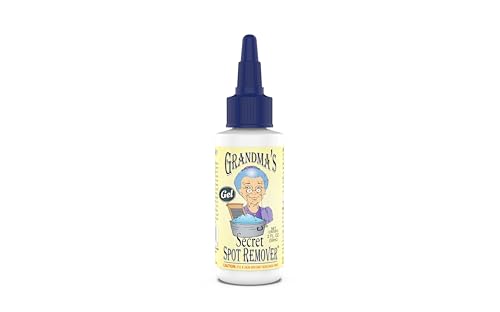
✅ HARSH ON STAINS NOT THE FABRIC: The toxin-free stain remover formula removes just the stains, not the beautiful color of your clothes. Our effective yet gentle stain remover for clothes does not contain bleaching agents or leave dirt-attracting residues, so spot remover should not harm your fabric. You can use Grandmas spot remover worry-free on your expensive investment.

Stains on upholstery such as red wine, grease, coffee or even pet dirt can now be easily removed with the specially designed upholstery stain remover. At the same time, odours are removed and a subtle, fresh fragrance is left behind

ERASES TOUGH INK & MAKEUP: Powerfully dissolves and lifts stubborn permanent marker, ballpoint pen ink, lipstick, dye transfer, and heavy cosmetic smudges off finished leather goods, fabric clothing, and water-safe shirts without damaging surface finishes.
Test Your Fabric Before Full Cleaning
Ready to clean that couch? Jumping straight into cleaning without testing first is like fixing your car without checking the manual. Don’t do it.
Here’s what I do: I find a hidden spot, grab a cotton swatch, and test my cleaner there first. Then I wait. Full 24 hours. This prevents your furniture from damage.
| What I Test | Why It Matters | What I Watch For |
|---|---|---|
| Color | Fading ruins everything | Any bleeding or darkening |
| Texture | Your couch shouldn’t feel weird | Stiffness or damage |
| Finish | Keeping that original look | Dullness or discoloration |
For W, S, or W/S fabrics, I pre-test both water and solvent cleaners separately. Once that test area looks good, I can tackle the actual stain with minimal moisture and gentle blotting.

WATERLESS DEEP FABRIC FOAM CLEANER - SCRUB AWAY TOUGH RUG DIRT, Remove deep-set grime with the high-density scrubbing bristles. Clean rugs and sofas easily without any water residue

GENTLE CLEANING FOR ALCANTARA: Specially formulated foam cleans delicate Alcantara and synthetic-suede-style automotive surfaces while helping refresh matted fibers, color and the soft tactile feel of the material.
Why Testing Matters
That 24-hour test-spot check is your covert edge. Testing matters before you go full cleaning mode on your couch.
A 24-hour test-spot check is your covert edge. Testing matters before you go full cleaning mode on your couch.
Here’s why you’ll want to test first:
- Colorfastness and shrinkage – Some fabrics bleed or shrink when exposed to water or solvents, ruining your beloved sofa
- Texture changes – Cleaning can sometimes leave spots looking different, even if the stain lifts
- Codes work best with confirmation – W, S, WS/SW, X codes guide you, but testing proves compatibility with your specific fabric
Different cleaners produce different reactions on the same material. Using the exact product and method you’re planning reveals potential disasters before they happen. If testing shows problems, stop immediately and consult professionals. Your couch will benefit from this precaution.
When to Call a Professional
How do you know when it’s time to call in the pros? If your cleaning code is missing or unclear, you’re basically flying blind. Professional cleaning becomes necessary when dealing with delicate fabrics or stains that won’t budge after your home cleaning attempts. Professionals can spot the safest approach when you’re stuck guessing. If your couch has an X code or sensitive fillings, they’ve got vacuum-assisted techniques that won’t wreck your stuff. Before they arrive, gather your product details, code info, and any testing results you’ve done. Professional cleaners know how to handle what you can’t, keeping your couch looking fresh without the risk.
Key Takeaways: Cleaning Code Quick Reference
Four little letters on your couch tag determine whether you can use water, solvents, or basically nothing at all. This information appears on a tiny label hiding in the cushions or underside.
Four tiny letters on your couch tag reveal whether water, solvents, or nothing cleans your furniture safely.
Here’s what you need to know:
- W means water-based cleaning is appropriate.
- S calls for solvent-based solutions, the stronger stuff.
- X means vacuum only.
Can’t find your tag. Check your product details from the vendor, or contact the manufacturer directly. A professional upholsterer can also help. Knowing your cleaning code prevents damage to your couch.