Bush beans are self-supporting and don’t need a trellis, though some vigorous varieties will flop when heavy with beans.
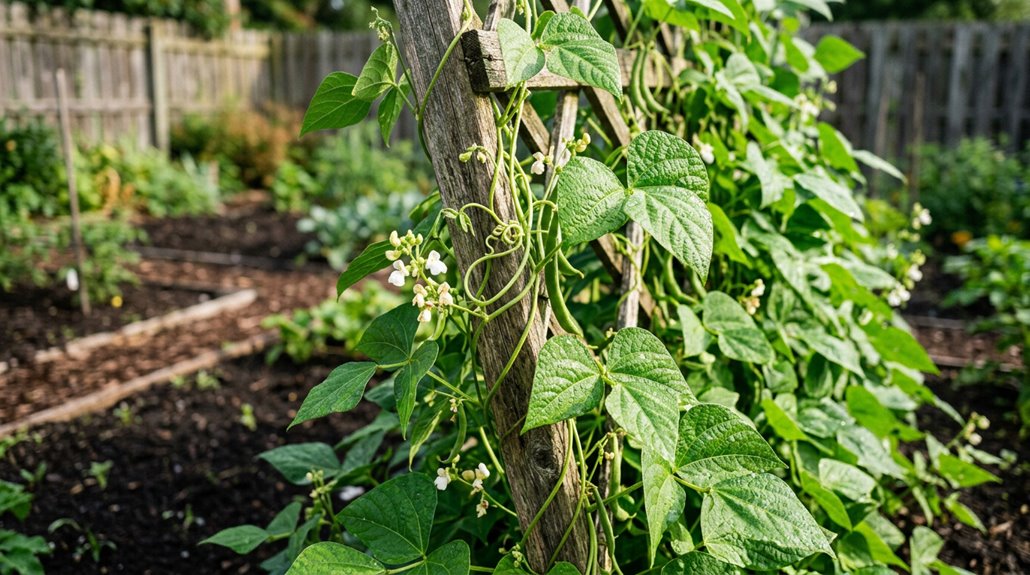
Pole beans, however, will sprawl everywhere without vertical support, tangling their flowers and crowding your space. Trellising them boosts yields dramatically, improves airflow to prevent disease, and makes harvesting less frustrating.
Most trellis setups cost almost nothing to build and work for any garden size.
Do Bush Beans Actually Need a Trellis?
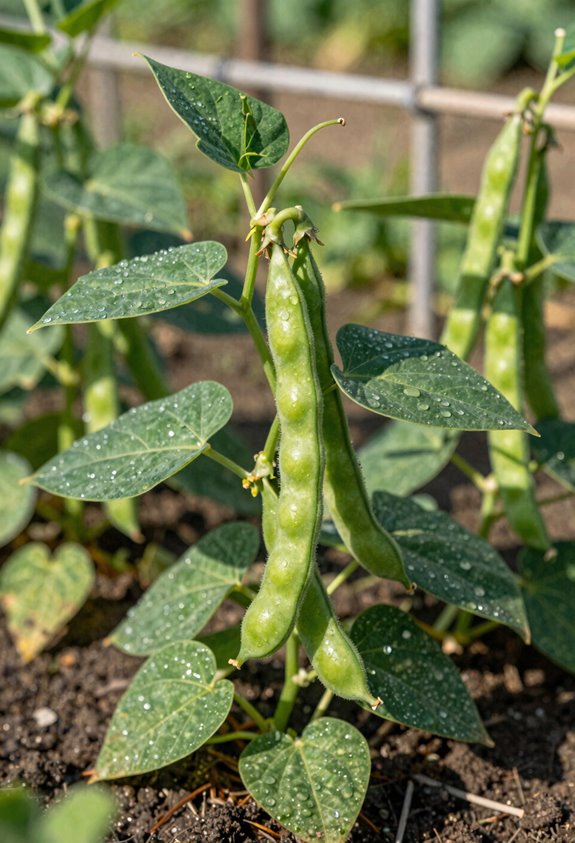
Bush beans are basically the low-maintenance friends of the bean world. You don’t need a trellis for most varieties. They’re compact, self-supporting plants that grow without climbing structures.
Some bush bean varieties get heavy and might flop over if conditions aren’t perfect. When that happens, you’ve got options. Gardeners can use short bamboo sticks or light props to keep things upright, and it works. If your plants are vigorous or crowded together, informal support can prevent lodging.
Trellising isn’t typical for bush beans. They stay compact naturally. You’re not dealing with the climbing drama that pole beans bring. Keep it simple.

【Durable Grow Bags】These tomato grow bags feature excellent drainage and breathability, promoting optimal soil air circulation and helping prevent root decay. The spacious 10-gallon capacity provides ample room for healthy root growth. With sturdy handles and durable material, they are easy to move as needed.
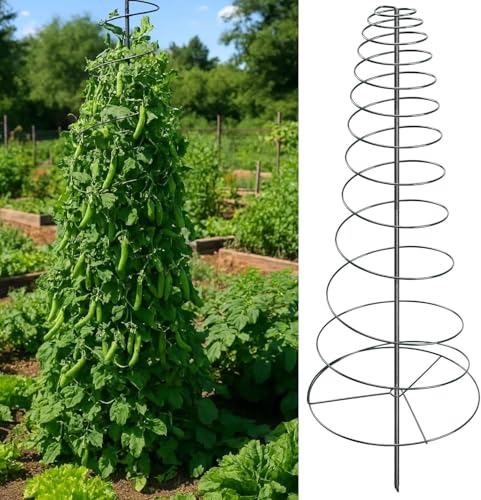
Heavy-Duty Metal Trellis: Rock-Solid Support for Climbing Plants - Made with 0.6mm thick stainless steel and a 0.63-inch reinforced center pole, this garden trellises stands firm through wind and rain. Perfect for pole beans, snap peas, tomatoes, cucumbers, and flowering vines like bougainvillea and morning glory, it provides season-long stability and prevents your plants from falling or bending.

EXPANDABLE DIY DESIGN: Unlike fixed tomato cages, these 11.8-inch connector arms let you expand and reconfigure your plant support structure season after season. Snap them onto 11mm diameter garden stakes to create triangles, squares, or multi-tier trellises — add more arms as your tomatoes, cucumbers, and beans climb higher
Why Pole Beans Fail Without Vertical Support
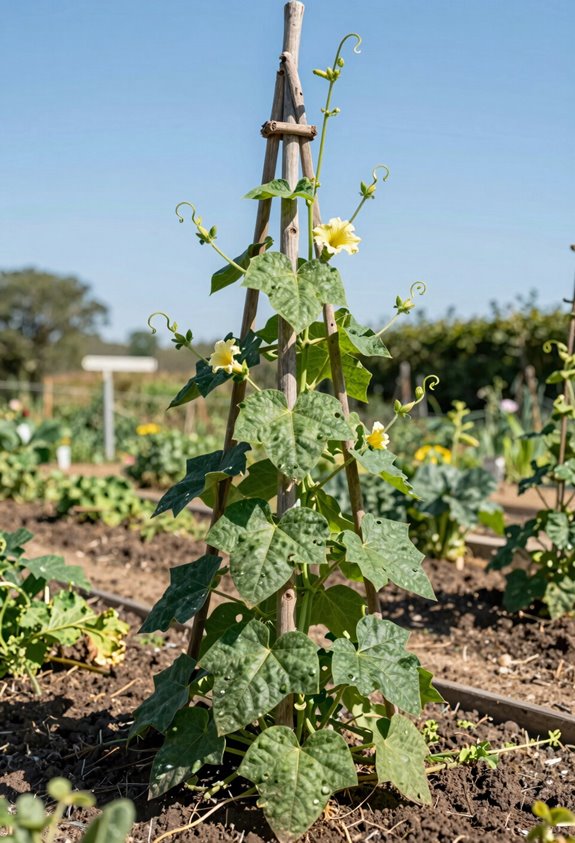
What happens when you skip the trellis with pole beans? Without vertical support, your pole beans sprawl across the ground, tangling into messy knots. This sprawl kills air circulation, inviting rot and pests to your plants. The flowering clusters get so tangled together that harvesting becomes a frustrating task. Unsupported pole beans waste precious garden space and light. You’re essentially reducing yield when you could be growing 6–12 feet upward instead of outward. A sturdy trellis transforms everything. Your plants stay healthy, harvesting becomes manageable, and you maximize every inch of growing space.

【Package included】:Crafted from robust hollow steel, this garden stakes features a fade-resistant green plastic coating, offering reliable protection against wind, rain, and rust. This Trellis for Climbing Plants Outdoor comes complete with everything you need to get started: 17pcs metal stakes, 8pcs T shape connect pipe, 2 A-shaped connectors, and a 0.9x1.8meter bird net.

PRODUCT DESCRIPTION: The sturdiest, simplest, longest-lasting plant teepee you'll ever own. The Titan Teepee Trellis provides a full 82" inches of above-ground support for your favorite vines. Made of polyethylene-coated steel, it will handle years, even decades, of heavy crops as well as the weather's worst behavior.

Simple Elegant Garden Obelisk Trellis: This 67 inch garden obelisk trelliscreates vertical growing space for climbing plants outdoor, flower vines, peas,beans, cucumbers, and tomatoes. The teepee trellis shape works as a tomatocage trellis and decorative plant support for raised beds, planters, pots,patios, and garden beds.
How to Match a Trellis Design to Your Space and Constraints
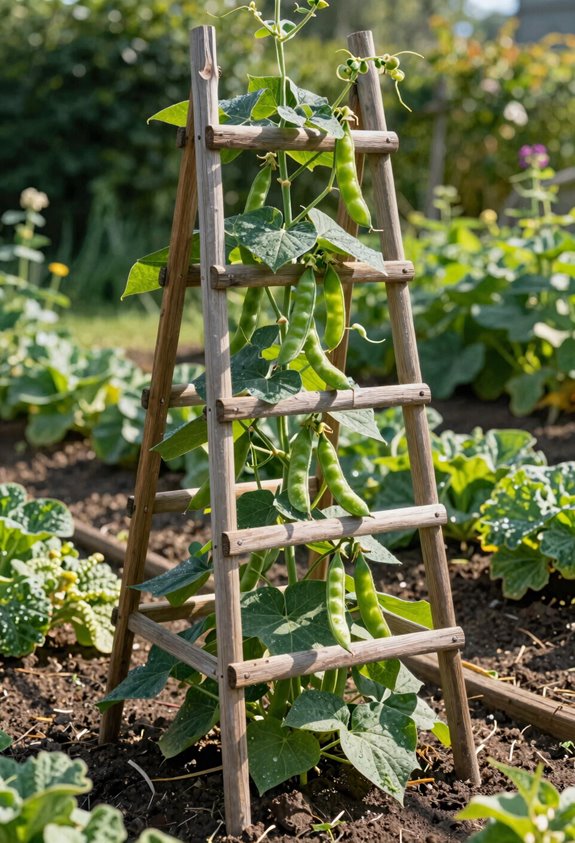
When’s the last time you looked at your garden plot and thought, “Yeah, I’ve got unlimited space”? I haven’t either. Your trellis choice makes or breaks your bean harvest. Small spaces work well with teepee or mini pole designs, and local sticks work great. Wider beds deserve a center-row trellis with 18–24 inch spacing, letting you squeeze in companion crops like broccoli while supporting 4–6 beans per pole.
| Space Size | Best Trellis Type |
|---|---|
| Tiny garden | Teepee/mini pole |
| Medium bed | Center-row trellis |
| Wide bed | Ridgepole setup |
Consider recycled materials as well. River cane, old arbors, and repurposed bed frames are sturdy, inexpensive options that work beautifully. Match your trellis to your actual space and budget. This practical approach will help you maximize your bean production and reduce unnecessary complexity in your garden setup.

Heavy Duty Metal Trellis, Stability for All Climbing Plants: Crafted with 0.6mm thick stainless steel and a 0.63-inch reinforced center pole, this garden trellis for climbing plants outdoor is built to last. It stands firm through wind and rain, providing season-long support for pole beans, snap peas, tomatoes, cucumbers, and flowering vines like bougainvillea and morning glory.

Heavy Duty Metal Trellis, Stability for All Climbing Plants: Crafted with 0.6mm thick stainless steel and a 0.63-inch reinforced center pole, this garden trellis for climbing plants outdoor is built to last. It stands firm through wind and rain, providing season-long support for pole beans, snap peas, tomatoes, cucumbers, and flowering vines like bougainvillea and morning glory.

Spiral Upright Plant Support, Fuller and Healthier Growth: The unique spiral structure naturally guides climbing plants upward, helping vines grow straighter, taller, and healthier while improving sunlight exposure and airflow. Reduces plant damage as well as saves ground space
Space-Saving and Yield Benefits of Vertical Growing
When I started trellising my pole beans vertically instead of letting them sprawl across the ground, I got significantly more beans from the same small patch of dirt. We’re talking about considerably higher yields per square foot. You’re essentially stacking your plants like an apartment building instead of spreading them out like a suburban neighborhood, which means you can grow more food in a cramped corner garden.
The vertical approach saves your knees from constant bending, gets those beans up where the air flows better, and improves overall plant health and productivity through better air circulation.
![[32 Pcs] Garden Stakes, 18 Inches Natural Bamboo Plant Stakes, Plant Support Stakes with Twist Ties, Bamboo Sticks for Tomatoes, Beans, Flowers, Potted Plants, Indoor and Outdoor Climbing Plants](https://m.media-amazon.com/images/I/41bglhd33UL._SL500_.jpg)
Package Contains: This pack includes 32pcs bamboo sticks(with 32pcs Twist Ties), enough quantity to meet more plants in your garden, and more quantity has better cost performance

✨【Nature & Premium Quality】Our top-quality premium bamboo stakes are crafted from natural and renewable materials, all meticulously handmade to prioritize environmental protection. The bamboo stickss undergo double fumigation to ensure exceptional durability and a long lifespan. We hand-pick our plant stakes to guarantee the highest quality. These bamboo sticks are incredibly sturdy, flexible, and can withstand multiple seasons with their exceptional durability.

Innovative Patent-Pending Design: Our moss poles feature a unique, patent-pending design that enhances support and promotes growth for your climbing plants. This innovative approach creates the perfect environment for your plants to thrive, making plant care more effective and enjoyable
Maximizing Garden Space Efficiency
Trellises offer significant benefits for small gardens. When you grow pole beans vertically instead of letting them sprawl, you save precious square footage while substantially boosting your harvests per square foot. Center-row trellises and double-row setups are pivotal for maximizing vertical space efficiently. In tiny gardens or containers, even a simple teepee made from bamboo sticks works effectively. Your pole beans climb upward, air circulates better around the plants, and you can harvest while standing comfortably instead of bending over endlessly. You will need to plan for wind stability though. Taller trellises demand reinforcement and occasional pruning to prevent structural failure. The effort required for proper installation and maintenance produces measurable increases in garden productivity.
Higher Yields Per Square Foot
How much garden space are you actually wasting by growing bush beans instead of pole beans? Pole beans yield significantly more per square foot because they grow up instead of out. When I switched to trellised pole beans, I freed up ground space for other crops while harvesting more beans overall. You can effectively get two gardens in one. The vertical habit means you’re maximizing every inch of available space, which is critical if you’re gardening small. Pole beans climb naturally, requiring minimal support effort. Your garden becomes an efficient, productive zone where nothing goes to waste. Growing vertically increases production density.
Vertical Growing Advantages
When you trellis your pole beans, you’re giving your garden a third dimension. Stacking vertical growth instead of sprawling horizontally means you’re harvesting more pounds per square foot than bush beans ever could.
What you gain:
| Benefit | Bush Beans | Pole Beans |
|---|---|---|
| Height | 2 feet | 6-8 feet |
| Yield/sq ft | Standard | 2-3x higher |
| Air flow | Limited | Excellent |
| Harvesting | Back strain | Easier reach |
| Space needed | Wide spread | Compact trellis |
Better air circulation reduces disease. Easier harvesting saves your knees. You work smarter, not harder, while growing significantly more food in tight spaces.
Simple, Cheap Trellis Designs for Beginners
I’ve found that you don’t need to spend significant money to get beans climbing. I’ve built teepees from sticks I found on-site and watched them hold up effectively. You can also raid your garage for old bed frames, ladders, or galvanized sheep panels, then lean them together or stand them up however makes sense for your space. Whether you’re going full DIY teepee mode or combining recycled materials, beans will grow up whatever structure you provide.

Vegetable Trellis that Assembles in Minutes, No Tools or Frustration – Say goodbye to complicated setups. Our U-shape trellis includes easy-connect joints and step-by-step instructions for fast, hassle-free assembly

4.5mm Heavy-Duty Support for Heavy Climbers: Stop worrying about collapsing vines. Made from thick 4.5mm iron wire, our cucumber trellis is significantly stronger than standard models. Unlike flat-bottom designs, our ground-piercing legs anchor securely into the soil for maximum stability, easily supporting heavy vegetables like squash and melons without bending or breaking

Garden Trellis Size for Raised Beds: This 48" L x 48" H cucumber trellis for raised bed adjusts from 16" to 26" wide, fitting many 4 ft raised garden beds. Use it as a trellis for raised garden bed layouts to save ground space while guiding vines upward.
DIY Teepee Structures
Want the easiest trellis you can build without spending a dime? A teepee bean trellis works perfectly. Grab four to six sticks from your yard, arrange them in a circle, and tie them at the top. You’ve created vertical growing space for your pole beans.
For longer-lasting structures, coppiced hazel or willow withies provide pliable materials that last multiple seasons. The design offers practical benefits: it keeps harvesting accessible, provides shade underneath for hot summer days, and allows beans to climb naturally upward.
Community gardeners report that river cane versions survive years of use. When winter arrives, you can relocate the entire structure under cover without tools or significant effort.
Recycled Material Options
Building a teepee is satisfying, but you don’t actually need to gather fresh materials from your yard if you’ve got stuff lying around already. Check your garage. That old metal bed frame? Perfect. Reinforced mesh from building work, rusty ladders, galvanized sheep panels; they’re all excellent bean supports. I’ve even seen folks repurpose swing sets as climbing structures. The beauty of recycled materials is they’re free, weathered, and ready to work. You’re basically upcycling trash into garden gold. River cane, hazel, or willow withies can be woven into natural arches if you want a more decorative option. Before dropping cash on bamboo canes, raid what you’ve already got. Your beans will climb whatever structure you provide.
Building a Hazel Pole Teepee Step-by-Step
How do you turn a bundle of bendy sticks into a bean-climbing powerhouse?
Building a hazel pole teepee takes patience, but it’s worth doing. Here’s what I do:
Building a hazel pole teepee takes patience, but the sturdy, functional result is absolutely worth doing.
- Harvest two-year-old withies in mid-to-late March when they’re still pliable, then cut them at angles for easier ground insertion
- Drive uprights into the ground about 18 inches apart in a circle, creating your framework
- Tie a top cross pole securely to bind everything together, creating that crucial tautness that keeps everything stable
The central open space delivers practical benefits. You get easy harvesting, solid airflow, and beans climbing reliably. Your hazel pole teepee becomes the garden’s most effective structure; it’s sturdy, functional, and visually appealing.

【Durable Grow Bags】These tomato grow bags feature excellent drainage and breathability, promoting optimal soil air circulation and preventing root decay. With sturdy handles and durable material, they are easy to move as needed

Heavy Duty Metal Trellis, Stability for All Climbing Plants: Crafted with 0.6mm thick stainless steel and a 0.63-inch reinforced center pole, this garden trellis for climbing plants outdoor is built to last. It stands firm through wind and rain, providing season-long support for pole beans, snap peas, tomatoes, cucumbers, and flowering vines like bougainvillea and morning glory.

Item Size: Length 5 ft,diameter 1/2 inch and total 6 sets, 20 large clips and 20 small clips include.
Double Row Trellises for High Winds and Heavy Yields
Double row trellises are highly effective bean-growing setups that withstand high winds while supporting tall vines. Space heavy 8-foot center poles about 8–10 feet apart, then lean vertical poles on either side toward the ridgepole. This creates a sturdy A-frame structure that resists toppling during strong winds. The design delivers higher yields compared to single-row setups. The windproof configuration allows beans to climb securely while outer rows provide additional bracing and structural support.

【Elegant Design】Crafted from natural bamboo and metal nails, our teepee bamboo trellis is both eco-friendly and durable. Its distinctive conical shape adds an artistic touch, enhancing your garden's charm beyond traditional flat grids.

【Package included】: This Trellis for Climbing Plants Outdoor comes complete with everything you need to get started: 17pcs metal stakes, 8pcs stainless wire connect pipe, 2 A-shaped connectors, and a 0.9x1.8meter Bird net.

Natural Willow Trellis: This 5FT teepee trellis is made from natural willow wood with a rustic dark brown finish, giving your garden a natural look while providing practical support for climbing plants.
Spacing Poles For Stability
When you’re growing pole beans in windy areas or expecting massive yields, a single flimsy trellis won’t provide adequate support. You need a double row setup for reliable stability in gusty weather.
- Center poles spaced 8–10 feet apart form your trellis backbone, with horizontal ridgepoles tying everything together for structural stability
- Vertical poles positioned 60 cm (24 inches) apart within each row create snug support channels, preventing sway while maximizing airflow through your bean plants
- Ground anchors in shallow furrows keep those butts locked down tight, so heavy bean loads don’t send your whole setup toppling
Wider spacing actually reduces sway in windier sites. You create a reinforced structure that supports vigorous varieties effectively.
Windproof Structure Design
Once you’ve locked down your pole spacing, solid support in calm conditions proves insufficient when wind picks up. The double-row trellis addresses this vulnerability. Wind exposure will loosen vertical poles and destroy tension rapidly. Top lashings and end weights provide necessary reinforcement. The ridgepole configuration handles wind better because those leaning side rows create lateral stability. Your center poles stay 8–10 feet apart with cross poles tied near the top, essentially creating a structural fortress. When storms pass through, this windproofing investment keeps your trellis standing and your beans thriving.
Bamboo vs. Hazel: Durability, Cost, and Sustainability
How do you choose between bamboo and hazel when your bean plants need something to climb? Hazel poles are your budget-friendly option. They’re sturdy, easy to set up, and last two to three years before getting brittle. Bamboo canes are weather-resistant, but larger quantities will cost more.
Consider these factors:
- Hazel withies are pliable enough for weaving creative arch designs
- Bamboo offers long-lasting vertical support that weathers storms well
- Local sourcing and recycled materials reduce environmental impact and strengthen community connections
The sustainability advantage goes to hazel if you source locally. You’re growing beans while using materials that align with your space and values.
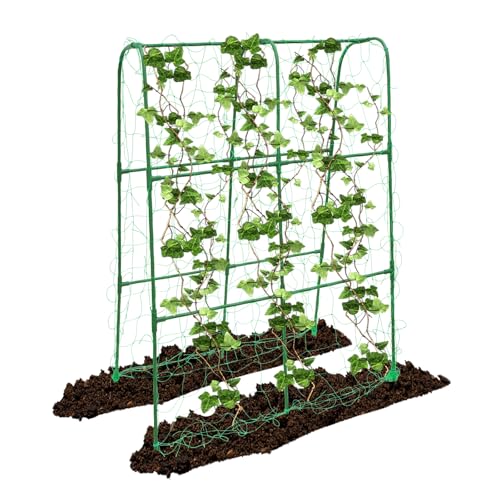
U frame Vegetable Trellis -- Dimensions (W x H):80 x 120cm / 31.5 x 47.5inches, nylon garden netting included

A Frame Trellis for Raised Beds: This cucumber trellis for raised garden bed uses a detachable A frame design to support vertical plant growth while saving garden space. The adjustable structure helps climbing vegetables get more sunlight and keeps vines organized in raised beds, backyards, patios, and outdoor gardens.
Spiral Upright Plant Support, Fuller and Healthier Growth: The unique spiral structure naturally guides climbing plants upward, helping vines grow straighter, taller, and healthier while improving sunlight exposure and airflow. Reduces plant damage as well as saves ground space
Recycled Materials That Work as Bean Supports
Before you spend money on a fancy new trellis, check your garage. I’ve built amazing bean supports from recycled materials that rival store-bought ones. Old metal bed frames work perfectly. Reinforcement mesh from building work is highly effective. Galvanized sheep panels create sturdy frames that last for years, and they cost nothing if you have them available.
You’re not limited to one style. Stack those recycled materials into teepees, arches, or grid frames, whatever your beans need. Pair them with baling twine or jute, and you’ve got a custom trellis that’s uniquely yours. Your garden becomes a resourceful blend of creativity and function. Plus, you’re keeping materials out of landfills while growing excellent beans.

Natural Material:Bamboo garden stakes are made of high-quality natural bamboo.Plant stakes are natural and eco-friendly,will not hurt your plants and your family.It can be reused for a long time without frequent replacement.

Package included : The length of bamboo stakes is 4 feet, each package includes 25 pcs. Available in a variety of sizes and package quantities

[High Quality] - The Bamboo stakes are made of high quality natural bamboo.It’s very strong and durable,great for plant support!Each stakes is inspected manually to ensure quality.
The Three Sisters Method: Using Corn Instead of a Trellis
Indigenous farmers developed the Three Sisters method, a planting technique that modern gardeners have only recently come to appreciate.
The Three Sisters method involves planting corn, beans, and squash together in a symbiotic arrangement:
- Corn acts as a living trellis, eliminating the need for separate structures while beans climb those sturdy stalks
- Beans fix nitrogen into the soil, feeding both corn and squash, creating a self-sustaining ecosystem
- Squash sprawls around the base, mulching roots, locking in moisture, and suppressing weeds
These three plants work together to support each other’s growth. You’re not building anything extra; nature handles the biological functions. You’ll need careful spacing and timing to prevent overcrowding, but once established, the garden becomes a balanced, interdependent system that requires minimal external inputs.
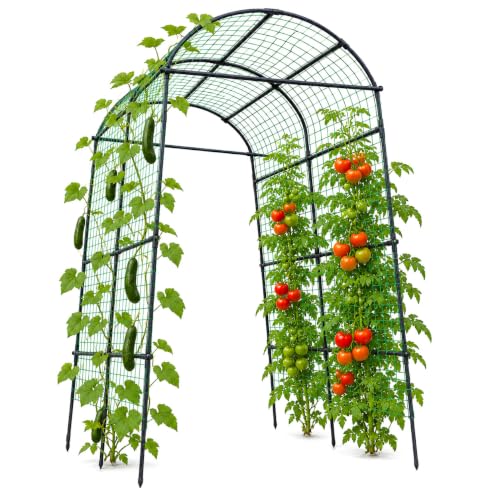
Vertical Space Saver: The climbing plant support structure is tall and very sturdy, so it made it easy to duck under the net to harvest. Space-saving vertical plant support forms a fun, shady tunnel trellis.

Heavy Duty Metal Trellis, Stability for All Climbing Plants: Crafted with 0.6mm thick stainless steel and a 0.63-inch reinforced center pole, this garden trellis for climbing plants outdoor is built to last. It stands firm through wind and rain, providing season-long support for pole beans, snap peas, tomatoes, cucumbers, and flowering vines like bougainvillea and morning glory.
Light Supports for Unexpectedly Heavy Bush Bean Yields
While the Three Sisters method gives you a free trellis with corn, bush beans, especially the varieties that become sprawling monsters, sometimes need a little backup plan when they’re loaded with pods. When yields get heavy, light supports prove game-changing. Short bamboo sticks work beautifully as minimal props, keeping plants upright without unnecessary complexity.
| Support Type | Cost | Effectiveness |
|---|---|---|
| Bamboo sticks | Cheap | High |
| Garden twine | Minimal | Medium |
| Wire cages | Moderate | High |
Heavy plants benefit from simple staking during peak bearing season. It prevents breakage, reduces stress on stems, and keeps your plants healthy. The support needs depend on your variety; some sprawlers need help more than others. A few inexpensive props prevent broken branches and plant damage.
How Better Airflow Prevents Powdery Mildew and Fungal Disease
One thing I’ve learned the hard way by killing plenty of bean plants is that powdery mildew doesn’t just appear out of nowhere. It loves humid, stagnant air.
Here’s what works:
- Trellised beans get better airflow between rows, lowering fungal disease risk compared to sprawling bush varieties.
- Taller, staked plants experience faster moisture evaporation from leaves, which limits powdery mildew development.
- Dense, crowded growth creates still air pockets that fungal spores thrive in. Proper spacing fixes this.
When you stake or trellis your beans, you’re not just supporting weight. You’re creating wind exposure that dries foliage faster. Skip overhead irrigation; water your plants at soil level instead. Prune out dense growth regularly. These moves work together to prevent powdery mildew from affecting your harvest.
Protecting Your Trellis-Grown Beans From Deer and Other Pests
Why do deer always seem to find your beans right when they’re getting good? They target those tender climbing bean leaves at eye level, which is basically an all-you-can-eat buffet for them. Several methods can protect your crop:
| Protection Method | Effectiveness | Ease |
|---|---|---|
| High netting fence | Very effective | Moderate |
| Trailing squash companion | Discourages entry | Easy |
| Tall trellis elevation | Reduces damage | Moderate |
| Sturdy wind-braced design | Prevents pushing through | Challenging |
Elevating beans on tall trellises significantly cuts damage because deer cannot easily reach upper leaves. Adding trailing squash as a visual barrier creates a patch that appears less inviting. Pairing that with durable trellises featuring solid anchors provides substantial protection. Building sturdy trellises requires effort, but it reduces the likelihood of deer damage to your bean crop.